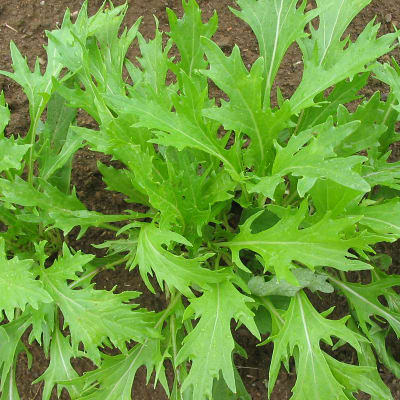
Brassica juncea (20 days baby, 40 days mature) Open pollinated. Light golden-green leaves are curled and lacy, adds lift to salad mixes. Mustardy zing. Resists bolting in heat.
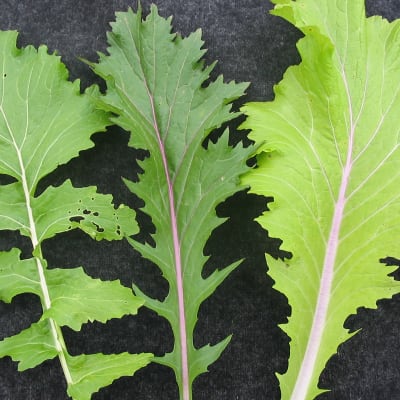
Brassica rapa (japonica group) (40 days) Open pollinated. Japanese heirloom. Deeply cut fringed leaves on slender white stalks. For microgreens, cut-and-come-again, succession plantings and baby leaf production.
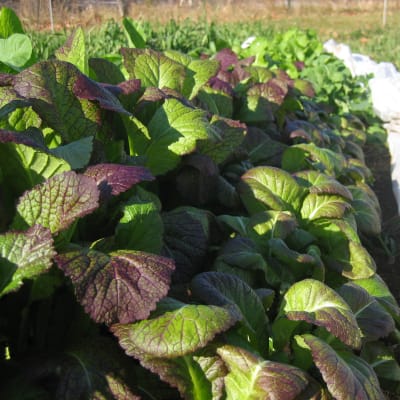
Brassica juncea (40 days) Open pollinated. Bold purple-blushed delicately serrated mizuna-type leaves with sweet and spicy flavor. For spring and fall plantings. Bolts in heat.
Brassica oleracea (alboglabra group) (45 days) Open pollinated. Dark green large tender leaves with just the right kind of mustardy bite. Prolific yields can be harvested at full size or as baby greens.
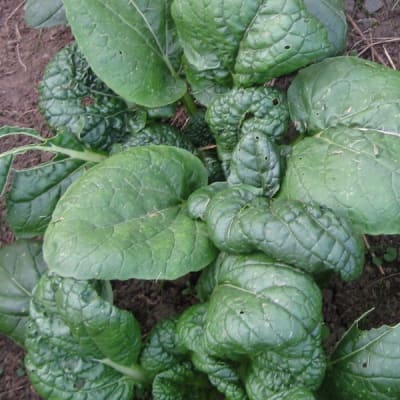
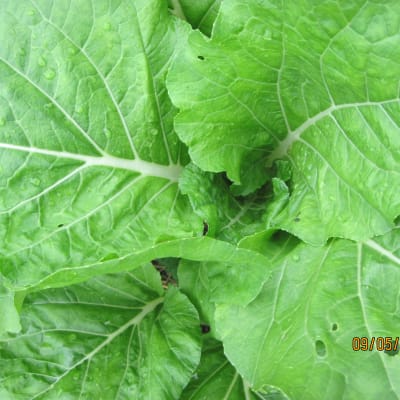
Brassica rapa (45 days full size; 21 baby) Open pollinated. Grows in rosettes like tatsoi, but bigger, more upright with leaves less shiny and more puckered. Harvest young for salad greens or mature for braising.
Brassica rapa (chinensis group) (50 days) Open pollinated. Classy pac choi with celery-like white stems and vase-shaped 15-18" tall heads. Succulent stems and tender greens.
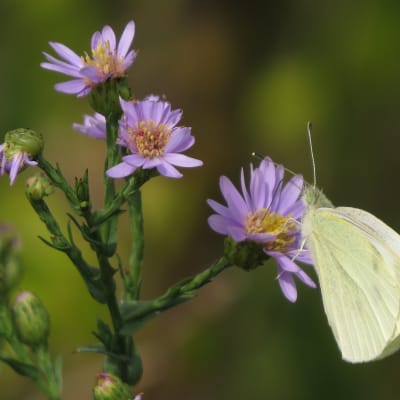
Symphyotrichum novae-angliae 4-6' tall. North American native. Blooms range from blue-purple to lavender-pink with yellow eyes. Attractive to pollinators. Z3.
Symphyotrichum laeve 3-4' tall. North American native has Loose clusters of lavender-blue blossoms with yellow eyes. Smooth blue-green foliage. Attractive to pollinators in late season. Z3.
Centaurea cyanus (60 days) Open pollinated. Early frilly 2" periwinkle-blue blooms on semi-dwarf 2' plants. A popular favorite with a long bloom period.
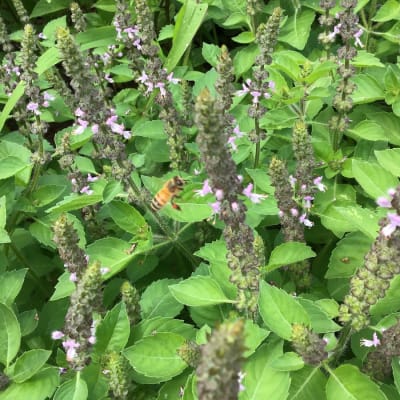
Ocimum basilicum (60 days) Open pollinated. Purple stems and flowers of standard Thai, but displayed upon a strong bushy umbrella form with wide and beautifully ample flowers.
Ocimum basilicum (70 days) Open pollinated. The choice of many connoisseurs for making pesto. Leaves are slightly smaller and finer than Sweet Basil with more aroma and potency.
Ocimum africanum (100 days) Open pollinated. A superior strain of Tulsi or Sacred basil, with a more compact growth habit and more pungent sweet flavor.
Ocimum basilicum (70 days) Open pollinated. The heaviest-yielding variety, recommended for drying, all-around great eating, and large-scale pesto production.
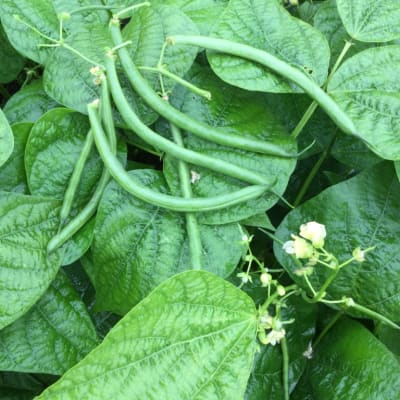
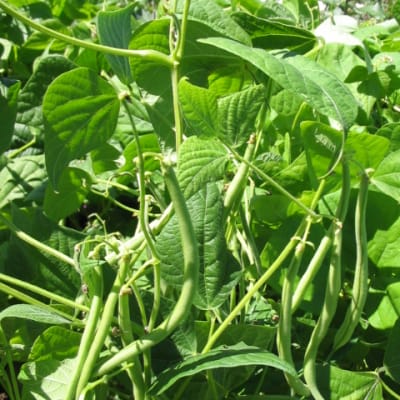
Phaseolus vulgaris (56 days) Open pollinated. High yields of tasty 5–7" straight slender round dark green beans. Holds quality well both on the plant and after harvest.
Phaseolus vulgaris (50 days) Open pollinated. Concentrated sets of 5-5.5" pods. High yields even in adverse conditions. A popular favorite. Purple seed.
Phaseolus vulgaris (57 days) Open pollinated. A very refined haricot vert for home gardeners. Exquisitely tender, delicately flavored dark green pods are excellent raw with minimal bitterness.
Cicer arietinum (105 days dry) Open pollinated. A garbanzo developed to be tolerant of cold soils and light frosts. 2' plants with ornamental flowers bear abundant two-seeded pods with black medium-sized beans.
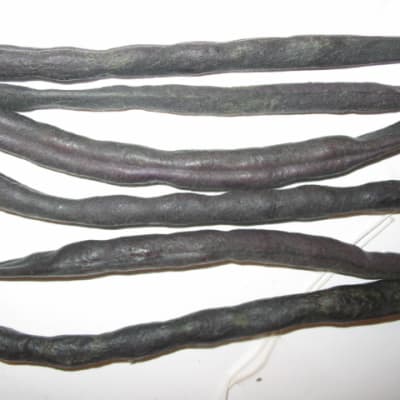
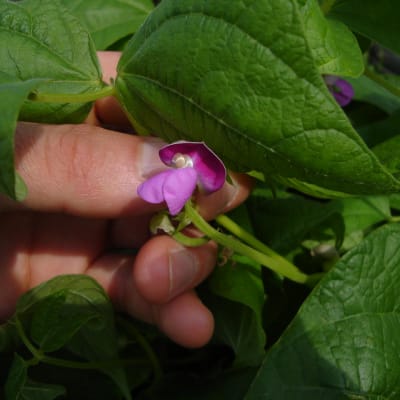
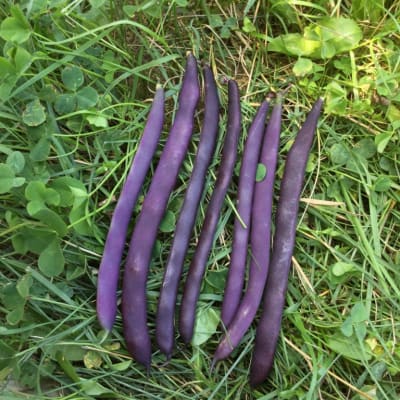
Phaseolus vulgaris (72 days snap) Open pollinated. Bluish-purple pods and green leaves tinged with purple. Harvest at 3-5". Can serve as a snap, shell or dry bean. Chocolate-colored seed.
Phaseolus vulgaris (60 days) Open pollinated. Fortex begins producing early and keeps going into fall, long after others have quit. Its flavor and texture reign supreme, a distinctive nutty taste that can be enjoyed raw or cooked.
Phaseolus vulgaris (59 days) Open pollinated. Produces heavy yields of fleshy medium-green 5" pods that are slow to develop seeds. Pods aren’t as wide as Roma II, but walls are thicker and juicier.
Phaseolus vulgaris (60 days shell, 85 days dry) Open pollinated. Plump shiny black beans! Can be harvested as a shell or dry bean. Dry pods resist shattering, yet are easy to shell.
Phaseolus vulgaris (90 days) Open pollinated. Produces 4-5 beautiful black-and-white beans per pod, with a texture similar to Yellow Eye. Doubles in size when cooked.
Vigna unguiculata (65 days shell, 90 days dry) Open pollinated. Cowpeas for the North! Small white bean matures quickly. Easy-to-pick yellow pods. Beautiful yellow flowers on bushy semi-erect plants.
Phaseolus vulgaris (60 days shell, 85 days dry) Open pollinated. Similar in shape, color and taste to baby limas, except much easier to grow in our climate and sweeter with a buttery texture. Excellent both as a shell and a dry bean.