Zinnia elegans (80 days) Open pollinated. A delicate shade that's rare to find in zinnia mixes. 3" blooms on long sturdy 12" stems. High percentage of doubles.
Lupinus perennis Open pollinated. Perennial. 18-24" tall. Native to eastern North America, where it is an important pollinator plant. Early summer blooms. Z3.
Scabiosa caucasica (90 days) Open pollinated. Perennial scabiosa can bloom the first year with an early start. Blue flowers develop into pincushion pods for everlasting arrangements.
Aquilegia canadensis Open pollinated. This eastern North American native features delicate red-spurred sepals with yellow petaled skirts. Blooms late May to early June. Irresistible to hummingbirds! Z3.
Solanum lycopersicum (77 days) Open pollinated. Medium-to-large 10–15 oz yellow-red bicolor tomato has lower acidity and gentle fruitiness. Great yields and overall performance.
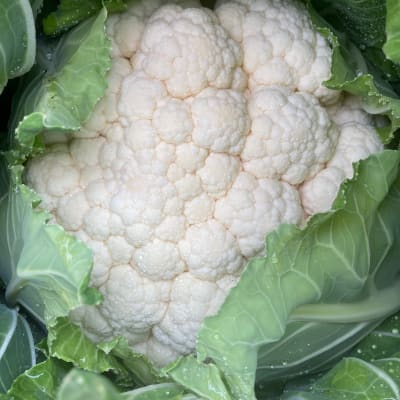
Brassica oleracea (botrytis group) (68 days) Open pollinated. An open-pollinated cauliflower that amazed us with big uniform 15" heads. Decent heat tolerance, great cold tolerance. Best for fall.
Apios graveolens var. rapaceum White flesh. (100 days) Open pollinated. Gorgeous and delicious root vegetable tastes like celery but slightly nutty, with a texture like potato. Stores well, great for winter stews.
Lycopersicon esculentum Red skin. (65 days) Open pollinated. Prolific clusters of 10–12 1½" very shiny red fruits hold on the vine and can be picked all at once. Excellent fresh, stewed or added to sauce.
Brassica juncea (45 days mesclun, 65 full size) Open pollinated. Spicy and pungent, milder after frosts. Best for winter production. In our trials, survived –20˚ in an unheated high tunnel.
Brassica oleracea (alboglabra group) (45 days) Open pollinated. Dark green large tender leaves with just the right kind of mustardy bite. Prolific yields can be harvested at full size or as baby greens.
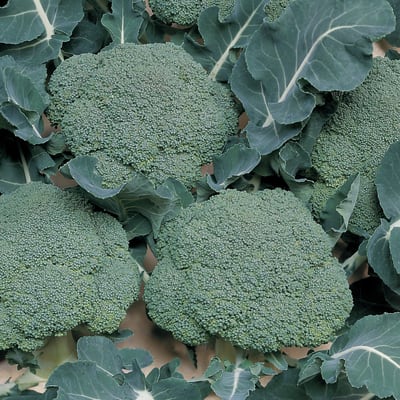
Brassica oleracea (botrytis group) (92 days) Open pollinated. A cross between broccoli and kale, with sweet heads, abundant side shoots and edible purple leaves. Gourmet and ornamental!
Allium ampeloprasum (porrum group) (110 days) Open pollinated. French heirloom. Thick medium-tall shanks with sweet mild flavor. Blue-tinged dark green leaves. Very cold tolerant.
Allium ampeloprasum (porrum group) (120 days) Open pollinated. Up to 4" across. Makes much of its growth below ground, protected from the cold; often withstands the rigors of winter to offer a delectable spring treat.
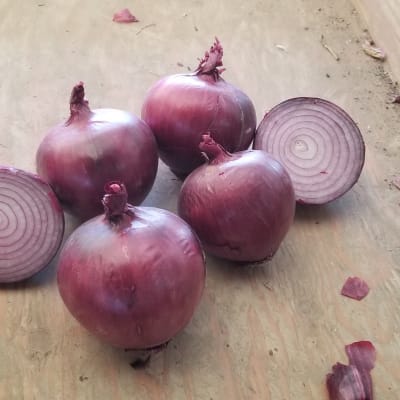
Allium cepa Deep red skin. (107 days) F-1 hybrid. 16-18 oz glossy deep red globes similar to Redwing, but it sizes more consistently regardless of dry or wet conditions.
Daucus carota (75 days) F-1 hybrid. Blunt Nantes-type 7-8" orange carrot with strong green tops and a medium core. Snappy, sweet and juicy. Use fresh or store.
Cucurbita moschata Honey tan skin. (110 days) Open pollinated. Petite squash with concentrated sweetness. Perfect size for a single serving, or dish dish for two.
Cucumis sativus (58 days) Open pollinated. Slicer from the same line as Marketmore 76. Fruit is slimmer and darker, with improved yield and disease resistance.
Cucumis sativus (60 days) F-1 hybrid. A new gynoecious slicer that cranks out uniform cukes for months. Fruits don’t get bitter, even in summer heat. Good disease resistance.
Cucurbita pepo (50 days) Open pollinated. Cylindrical. Very dark green fruit with a small seed cavity. Open plant habit. Heirloom with excellent flavor.
Cucurbita pepo (50 days) F-1 hybrid. Bred to maintain a manageable size longer in the field. Wonderful harvested from 6" to 1' long. Open plants with few spines.
Phaseolus vulgaris (70 days shell, 90 days dry) Open pollinated. Consistently one of the earliest dry pole beans. Chestnut-brown dry beans are wide and flat like limas.
Zea mays (78 days) Supersweet F-1 hybrid. Improvement on Moonshine, with enhanced rust protection. Better cool-weather emergence than other supersweets.