With plenty of scientific detail and practical knowledge about a variety of regenerative practices, Phillips reveals how mycorrhizal fungi are deeply embedded in healthy soils and plant physiology.
A holistic approach emphasizing efficiency and solvency, but also quality of life. Breathe life into your growing endeavors and make your garden a more joyful place for all.
First published in 1973, this comprehensive guide to canning, freezing and drying the garden’s bounty has been updated and offers useful recipes and trustworthy food-safety protocols.
Brassica oleracea (botrytis group) (72 days) F-1 hybrid. Large broad purple heads, or wait for open floret stick-type stems. Easy to harvest from tall bushy plants.
Brassica oleracea (gemmifera group) (120 days) F-1 hybrid. 1" tightly wrapped sprouts are widely spaced for ease of harvest and good air circulation. Vigorous and sturdy plants showed little aphid damage.
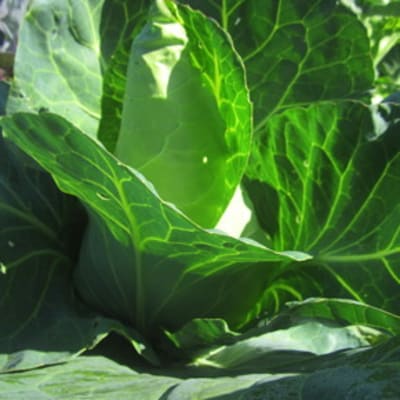
Brassica oleracea (capitata group) (62 days) Open pollinated. Classic early round 3-5 lb grey-green compact heads on short stems. Excellent flavor. Not long standing.
Rubus spp. Early-midsummer. The first ever thornless black raspberry available to home gardeners! Deep black large berries are moderately firm and tightly clustered. Vigorous upright canes. Z5.
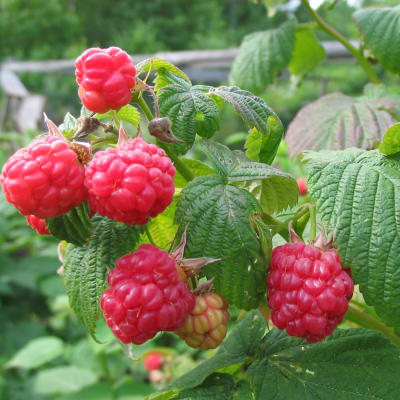
Rubus spp. Early-Mid. Round-conic medium-sized raspberries with an intense deep dark color. Strong aromatic tart flavor and perfect medium-soft texture. Z3.
Prunus cerasus Summer, bright red skin. Heirloom pie cherry grows successfully in Aroostook County. Similar to Montmorency. Hardy, productive, long-lived, disease resistant. Z3.
These seamless-knit liners magically transform the Vermonter Work Gloves from summer gloves into winter gloves! Merino wool keeps you warm even when wet.
The embroidered design is “Fedco Seeds” outlined by heirloom dry beans arranged into a heart. Polyester foam front, mesh back, plastic snapback adjustable closure.
These innovative leg gaiters feature a patented mesh-fabric design that slows ticks by 400-800% as they climb up your leg, while exposing them to microencapsulated permethrin to repel them.
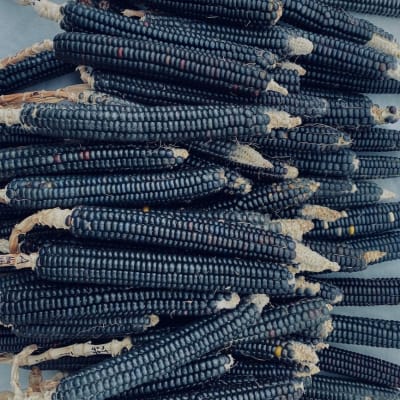
Zea mays (95 days) Open pollinated. A nutrient-dense grain that is fast maturing under harsh conditions, and stands strong for machine harvest. The soft starch makes fluffy cornbread and also binds well for Johnnycakes and tortillas.
For building tunnels with slitted plastic or fabric row covers. Shipped as straight 74" flexible rods of 10-gauge wire that can be stuck in the ground and bent into your desired hoop width.
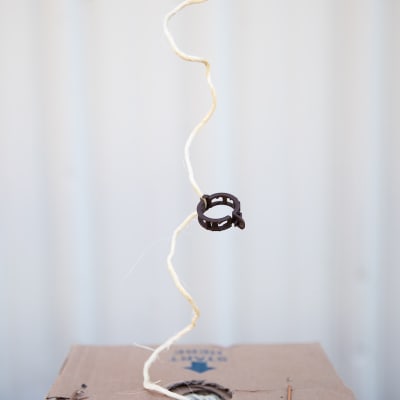
Premium untreated 1-ply twine. The utility of this twine is endless (until you get to the end of the roll). Comes in a 10# ball, 3000 feet. Tensile strength 240 lb. Compostable.
Solanum melongena White-streaked lavender skin. (88 days) Open pollinated. Italian heirloom. White with lavender streaking, plump, 3-4" wide by 5" long. Fruits avg 2 lb. Creamy, delicate, great for gourmet markets.
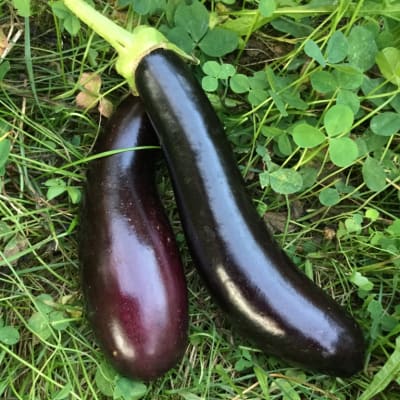
Solanum melongena Dark purple skin. (60 days) F-1 hybrid. This long 7x2" dark purple Italian “sword” is great for cooks who like uniform slices. Flavor is smooth and mild with no bitterness.
Phleum pratense Perennial grass. A popular perennial hay species that produces good yields, resists lodging and is easily cut and cured. Very winter hardy. Does not tolerate heat or drought.
This dynamic cover crop duo has become a favorite of growers who value its vigorous growth and soil-building prowess, along with the assurance that it will winterkill up North.
Brassica juncea or Sinapis alba Annual broadleaf. Great cover crop to retain nutrients, suppress weeds and improve water penetration. Breaks down into compounds toxic to nematodes and soil-borne pathogens.
Avena sativa Annual grass. Vigorous, lush foliage. Significantly more biomass production than common oats, making them superior for cover-cropping/soil-building, and for feeding livestock. Organic seed.
Zingiber officinale Rose-tinted white skin, white flesh. (120 days) Suitable for high tunnel cultivation, even in our northern climate! Rose-tinged pearlescent skin will draw customers from yards away.
Beta vulgaris (56 days) Open pollinated. Gold, yellow, orange and pink stems, midribs and veins. Tender dark green to bronze leaves with mild chard flavor.
Rumex acetosa (60 days) Open pollinated. Thick sword-shaped lemony-flavored leaves picked when young and tender. A special treat in early spring. Perennial hardy to Z3.
Hablitzia tamnoides (45 days) Open pollinated. Perennial spinach-like green. Hardy vine from the Caucasus grows 6-9' long for 2-3 months beginning very early spring. Heart-shaped attractive leaves.
Bunias orientalis Open pollinated. Perennial, Zones 4-8. Tender spicy mustard greens and florets for stir-frying. Drought-tolerant with a deep taproot.
Brassica napus (pabularia group) (60 days) Open pollinated. Serrated silvery-green flat-leaf Siberian-type kale with white veining. Sweetens after frost. Extremely cold hardy.
Lactuca sativa (72 days) Open pollinated. Slow-growing compact dark green Batavian with crisp outer leaves surrounding a round tightly-packed heart. Excellent heat tolerance.
Lactuca sativa (50 days) Open pollinated. Dark green outer leaves with broad mid-ribs and a creamy white center heart. Slow to bolt. Excellent flavor. Bestseller.
Lactuca sativa (50 days) Open pollinated. Dark green outer leaves with broad mid-ribs and a creamy white center heart. Slow to bolt. Excellent flavor. Bestseller.