Very stretchy ½" tape holds graft union firmly together. Unlike PVC, Parafilm, a low-molecular-weight polyethylene product, is relatively benign in the environment.
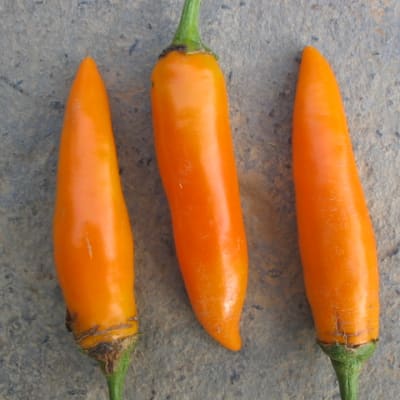
Capsicum annuum Fluorescent orange skin. (68 days) Open pollinated. Thin-walled 1½–3½" tapered fruits are as hot as they look and make welcome additions to chutneys, marinades, salsas, and hot sauces. Also delicious dried and ground.
Made in the U.S. from cow manure and a bit of recycled newsprint, nourishes the plant as it decomposes. Roots can grow right through the walls of the pot. 3" round, 3¼" tall
Peat pots. Bigger pots for squashes and other late-season plants. Can be put directly in the ground without disturbing seedlings. 4½" round, 4" tall. 14 fit in a standard 1020 Tray.
NPK: 4-4-0.5. Contains fish hydrolysate, kelp extract, humic and fulvic acids, and a dash of chilean nitrate to boost the nitrogen levels for rapid vegetative growth.
Malus spp. Fall-winter, russeted yellow-green skin, greenish white flesh. Best fresh eating after storage when fruit develops its extraordinary spicy cinnamon-nutmeg flavor. Very rugged tree. Z4.
Malus spp.This is a twig for grafting. Late fall, red-striped skin. Medium-sized, medium-bittersweet cider apple. One of the most popular cider varieties. Not for eating fresh. Annual bearer. Z4.
Malus spp.This is a twig for grafting. Fall, deep red skin. Supremely flavorful dessert apple. Large brilliant deep red fruit. Crisp, sweet, tart and juicy. Best eaten fresh, but also considered a good cooking apple. Good keeper. Z4.
Malus spp. Late fall, red-striped skin. Medium-bittersweet cider apple. One of the most popular cider varieties. Not for eating fresh. Annual bearer. Z4.
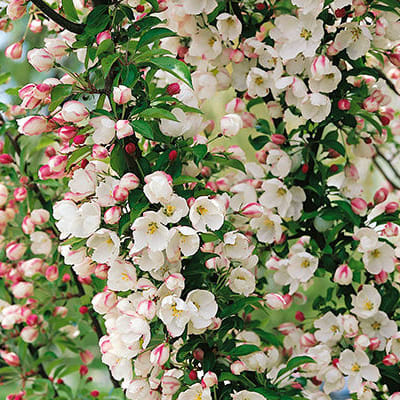
Malus spp. Orange-red skin. Red buds open to red-tinged white textured single blooms. An excellent crab for persistent fruit and disease resistance. Very distinctive upright form. Z4.
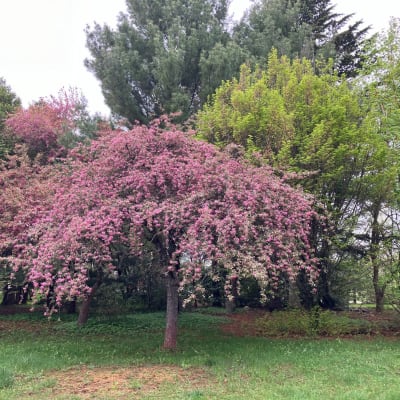
Malus spp. Bright red skin. Very rare! A true weeper, wide spreading and cascading in tufts and mounds. Single pink blossoms and bright red crabapples. Z3.
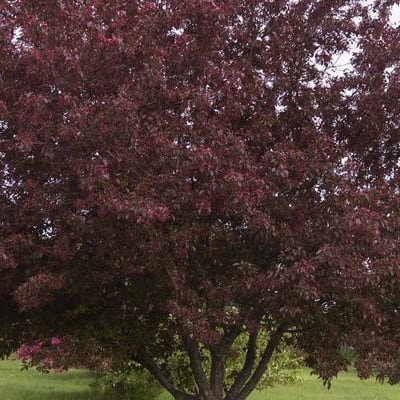
Malus spp. Dark red skin. Lovely in purply-pink bloom, but especially prized for its fabulous foliage. Reddish leaves turn to glossy purplish-green, fading to all purple in fall. Z3.
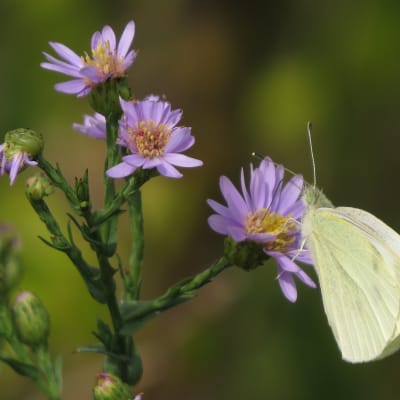
Symphyotrichum novae-angliae 4-6' tall. North American native. Blooms range from blue-purple to lavender-pink with yellow eyes. Attractive to pollinators. Z3.
Symphyotrichum laeve 3-4' tall. North American native has Loose clusters of lavender-blue blossoms with yellow eyes. Smooth blue-green foliage. Attractive to pollinators in late season. Z3.
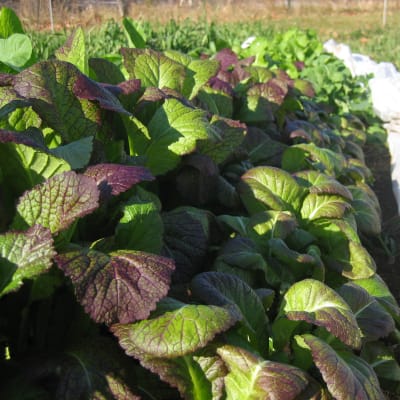
Beta vulgaris (60 days) Open pollinated. Grown for greens, not roots. Large glossy reddish-purple leaves. Holds quality in summer but best in fall and under winter cover.
Beta vulgaris (60 days) Open pollinated. Grown for greens, not roots. Large glossy reddish-purple leaves. Holds quality in summer but best in fall and under winter cover.
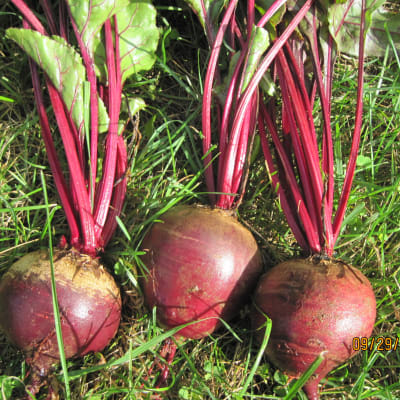
Beta vulgaris (60 days) Open pollinated. Heirloom. Uniform globular smooth red beet. Tender interior with deep red flesh. A favorite of home gardeners and canners.
Eschscholzia californica (60 days) Open pollinated. Cheery cup-shaped silky blooms range from light orange to deep rust, opening their faces to the sun each morning and closing up again at night.
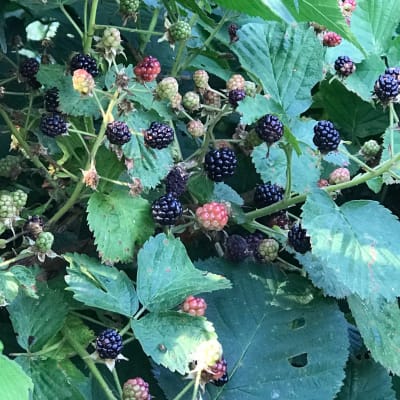
Rubus spp. Midsummer. Moderately large and quite juicy fruit with true blackberry taste. Highly productive. Has survived Maine winters for over a century! Z3/4.
Daucus carota (55 days) Open pollinated. Parisian heirloom. Round 1½" deep orange carrot. Harvest young and tender; enjoy cooked for sweetness and creamy texture. Easy in clay soil.
These innovative leg gaiters feature a patented mesh-fabric design that slows ticks by 400-800% as they climb up your leg, while exposing them to microencapsulated permethrin to repel them.
Aquilegia canadensis 12-24" tall. This eastern North American native features delicate red-spurred sepals with yellow petaled skirts. Blooms late May to early June. Irresistible to hummingbirds! Z3.
Metasequoia glyptostroboides 100'. A spectacular ornamental tree! Wide trunk with iridescent golden-orange bark and bright green deciduous needles turn orange in the fall. Highly adaptable. Z4.
Thuja occidentalis 20-60'. Narrow and tall with twiggy branches, soft fibrous orange-brown bark, and distinct flat foliage. Good for screens and hedges. Z2.
Picea pungens var. glauca 30-60'. Very popular specimen tree with frosty blue needles. Excellent for privacy screens, as it is fast growing after 3'. Native to western U.S. Z2.