Trifolium pratense Short-lived perennial legume. Up to 24". Vigorous and high-yielding clover suitable for pastures, underseeding and cover-cropping. More drought-tolerant than white clover.
Melilotus officinalis Biennial legume. Up to 6'. Vigorous clover for cover cropping, bee forage and green manure. Long thick taproots are very effective at breaking up subsoils and improving soil aeration.
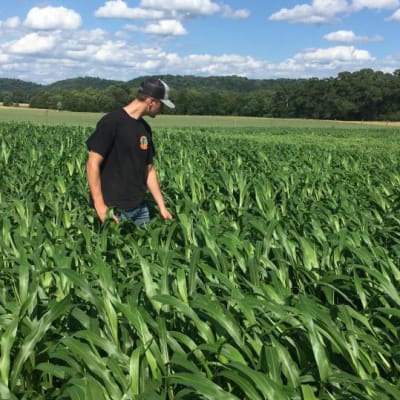
Sorghum × drummondii Annual grass. Vigorous, competitive, adaptable cover crop or annual forage. Likes heat and high fertility. Grows best in warm weather when other grasses slow down.
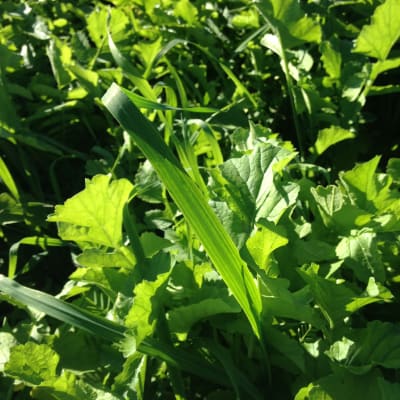
With annuals and biennials, grasses and legumes and broadleafs, and roots of all shapes and sizes, this blend mimics natural diversity and encourages a flourishing and balanced microbial population.
Superb cover crop mix for fall planting where mechanical tillage is available the following spring. 78% winter rye and 22% hairy vetch. Adds nitrogen to the soil and suppresses weed growth.
This dynamic cover crop duo has become a favorite of growers who value its vigorous growth and soil-building prowess, along with the assurance that it will winterkill up North.
A superior soil-building cover crop mix. The oats come up first and are pulled down by the peas, which are then pulled down by the smothering vetch. Weeds don’t stand a chance in that jungle!
Avena sativa Annual grass. A solid all-purpose oat. Generates biomass and smothers weeds. Tolerates bad weather and soil conditions. Excellent feed for cows and horses.
Zingiber officinale Rose-tinted white skin, white flesh. (120 days) Suitable for high tunnel cultivation, even in our northern climate! Rose-tinged pearlescent skin will draw customers from yards away.
Pennisetum glaucum (120 days) Open pollinated. Ornamental grass with deep-purple foliage and large purple seed spikes. Popular in arrangements. 4-5' tall.
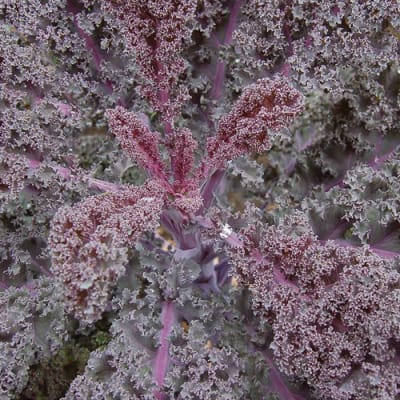
Brassica oleracea (acephala group) (30 days baby, 55 days mature) Open pollinated. Frilly purple leaves suitable for baby leaf or bunching. Similar to Redbor leaf shape and color.
Brassica oleracea (acephala group) (60 days) Open pollinated. Vigorous upright lacinato-leaved kale in a range of bluish-green shades, all with a dramatic pink mid-rib.
Lactuca sativa (55 days) Open pollinated. Dense oakheart heads range from mini to full to elf-eared. Variations in this gene pool range from deepest solid red to the heart, red spotting, speckling and blushing, to spotless green.
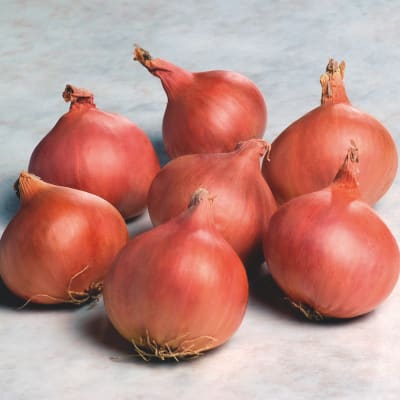
Allium cepa Yellow skin. (110 days) F-1 hybrid. Uniform blocky globes, 2 lbs each, with tall tops. Best for storage; keeps until mid-May. Flavor a balance of sweet and tang. Long-day northern type.
Pisum sativum (58 days) Open pollinated. Earliest snap pea, on 2' vines. Use to start the season, and allow extra space between rows if you do not stake.
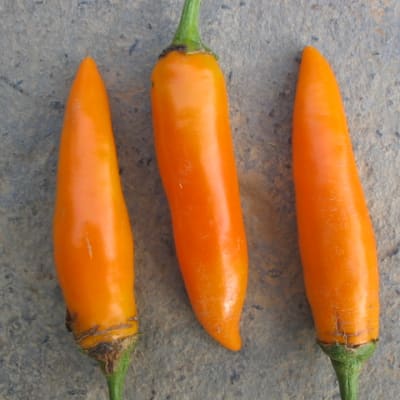
Capsicum annuum Fluorescent orange skin. (68 days) Open pollinated. Thin-walled 1½–3½" tapered fruits are as hot as they look and make welcome additions to chutneys, marinades, salsas, and hot sauces. Also delicious dried and ground.
Capsicum annuum Purple skin. (74 days) Open pollinated. Blocky 3x3" bells ripen from purple to green to deep red. At purple stage they sell at a premium. Early and prolific.
Widely known to effectively repel burrowing mammals like moles, voles, gophers, rabbits, ground squirrels and armadillos. Much cheaper and more versatile than granular castor oil products.
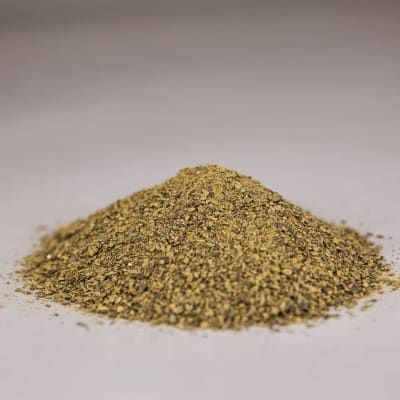
Neem has long been recognized for its antifungal, antibacterial and antiparasitic properties. Promotes the health and vitality of trees and plants. Deters a wide range of insect pests.
Solanum tuberosum Late season, buff skin, white flesh. Easy to grow with a solid yield, delicious Elba keeps solidly all winter long, despite slow spring emergence.
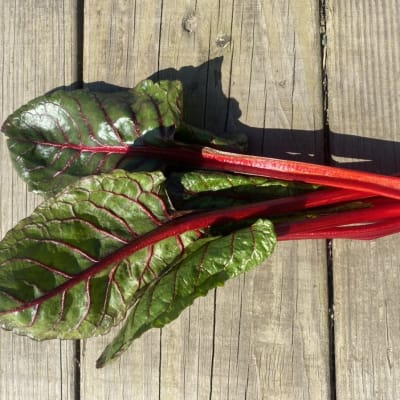
Spinacia oleracea (30 days) Open pollinated. Prized as a baby green for its striking magenta-red stems and veins in deep green arrowhead leaves. For the cooler ends of the season only.
Spinacia oleracea (25 days to baby leaf, 45 days to mature) F-1 hybrid. Well suited for early spring and fall plantings. Reasonable early summer tolerance, with slow steady growth that results in a stunning high-quality winter crop.
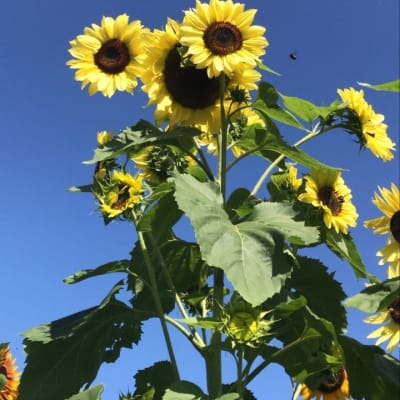
Helianthus annuus Open pollinated. Luxuriant 8" blooms with lemon-yellow petals surrounding striking solid brown centers. Can grow up to 10' tall in rich soil. Organic.
Apium graveolens var. rapaceum White flesh. (95 days) F-1 hybrid. Slightly oblong 3–4" roots have nice mild flavor and dense white interiors that resist hollow heart and pithiness.
Brassica oleracea (acephala group) (65 days) F-1 hybrid. Crinkly and very curly, of the Dutch borecole type. Upright uniform productive plants hold well in the field in all weather conditions and continue to grow.
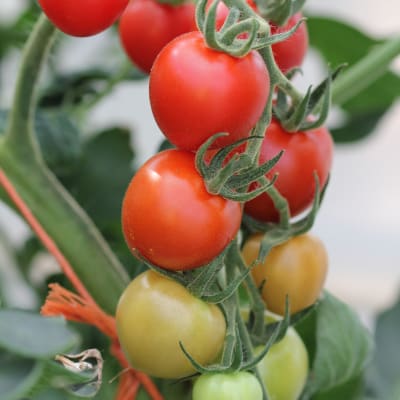
Solanum lycopersicum Red skin. (69 days) F-1 hybrid. Red round two-bite unblemished fruits. Juicy, rich, sprightly. Very marketable. Great vigor and disease-resistance.
For soil: excellent source of naturally chelated elements, enzymes, and amino acids. For livestock: excellent source of iodine, vitamin A and dozens of other vitamins and trace minerals.
Arnica chamissonis 8-12" tall. Low spreading groundcover with bright yellow daisy-like flowers used externally in oils and salves to treat bruises, sprains, inflammation. Z3.
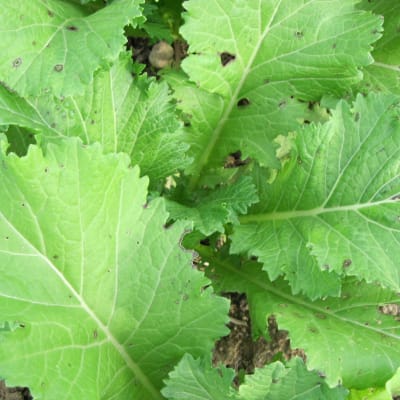
Brassica juncea (47 days mesclun, 62 full size) Open pollinated. Sweet succulent ribs and moderately pungent winter-hardy greens. Good for summer mesclun; excellent cut-and-come-again.
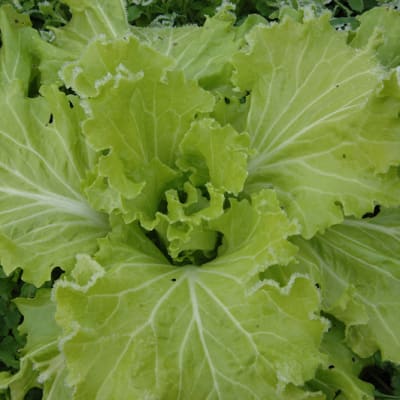
Brassica rapa (chinensis group) (20 days baby, 45 days full size) Open pollinated. Lettucy pale green ruffled leaves. Mild, sweet. Will re-grow after cuttings. Cold hardy.
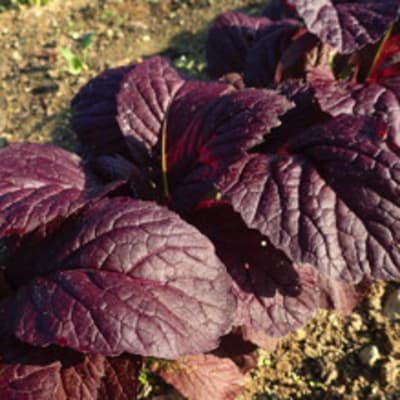
Brassica juncea (20 days baby; 45 days mature) Open pollinated. A favorite for cutting at the purple baby stage. Vibrant maroon slightly toothed leaves on lime-green stems. Good for salads or braising.