Malus spp.This is a twig for grafting. Fall, red-blushed and striped skin. Possible Red Delicious seedling with a similar shape but a superior eating experience! Crisp flesh and balanced sweet-tart flavor. Good fresh, great dried. Stores into winter. Z4.
Malus spp.This is a twig for grafting. Fall, russeted lime green skin, slightly yellow flesh. Large, distinctive “cathead” shape. Mild, moderately crisp, moderately tart and subtle. All-purpose; excellent for cooking, especially sauce. Z4.
Malus spp.This is a twig for grafting. Fall, russeted yellow skin. From an ancient tree in Waterville, ME. Sweet with little acidity, excellent for cider and sauce. Z4.
Malus spp.This is a twig for grafting. Fall, deep red skin. Supremely flavorful dessert apple. Large brilliant deep red fruit. Crisp, sweet, tart and juicy. Best eaten fresh, but also considered a good cooking apple. Good keeper. Z4.
Malus spp. Winter, russeted greenish bronze skin, white flesh. Excellent fresh eating. Very large russeted fruit with firm white fine-grained flesh and nutty sweet-sharp flavor. Good keeper. Z4.
Malus spp.This is a twig for grafting. Winter, russeted greenish bronze skin, white flesh. Excellent fresh eating. Very large russeted fruit with firm white fine-grained flesh and nutty sweet-sharp flavor. Good keeper. Z4.
Brassica rapa (37 days) Open pollinated. Produces many pencil-thick deep purple flowering shoots with pleasing mild mustard flavor. Grows best in cool weather.
Brassica rapa (45 days) F-1 hybrid. Slow-growing 8-10" deep purple rounded leaves stand beautifully, and are mild and delectable all the way through the season.
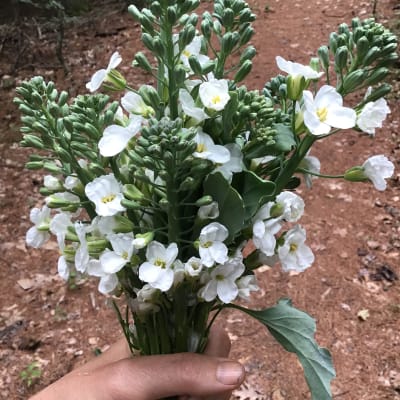
Brassica oleracea (45-60 days) F-1 hybrid. Also called Chinese Broccoli. Grown for succulent stems, leaves and florets. Uses and flavor similar to broccoli. Tolerant to heat and cold.
Ocimum basilicum (55 days) Open pollinated. Bright, lemony and fragrant. Upright, mounded plants doesn’t get leggy. Delightful in salads, teas, desserts, marinades, lemonade and more.
Phaseolus vulgaris (70 days) Open pollinated. Beautiful 6-7" green pods with purple streaking. Tan seed with dark stripes. Also known as Preacher Bean.
A must-read for anyone in the cannabis industry. Covers all aspects from soil and seed, to planting, growing and maintaining, through markets and product diversification. Funny and informative.
Brilliantly framed as a detective story, this book is a must for anyone interested in apples and the old-timey experts behind the scenes. Filled with photographs and beautiful illustrations.
An approachable botany textbook and herbal field guide to North American plants with colorful illustrations on nearly every page. Regularly updated by the author since its release in 1996.
Filled with clear how-to and how-not-to instructions, along with useful illustrations and laugh-out-loud humor, Turnbull walks through the basics and delves into specifics for more than 150 plants.
Full of tools to plan for success before your first seed hits the soil. If I’d had this book when I started farming, I would have avoided many mistakes!
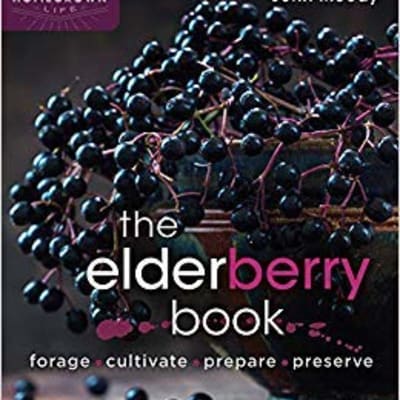
Highlights reasons to plant an elderberry bush and how to do it successfully. He walks us through a history of the plant, its cultivation and propagation, and its many uses in food, tools and toys.
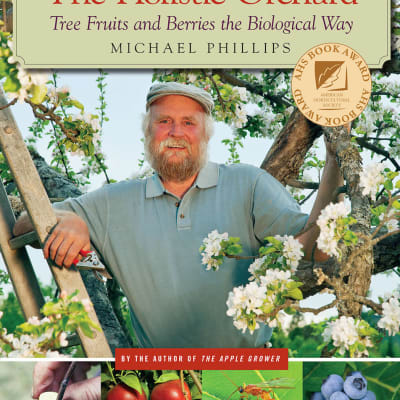
Covers a wide range of crops, while addressing orchard design, dynamics and horticulture in unparalleled detail. Pruning, planting, companion planting, spraying, not spraying—it's all here!
With plenty of scientific detail and practical knowledge about a variety of regenerative practices, Phillips reveals how mycorrhizal fungi are deeply embedded in healthy soils and plant physiology.
Painted portraits of People working for Earth Justice (including 5 from Maine!), accompanied by concise biographies and framed by essays about earth justice.
If you are a fan of the Eyewitness educational books from the ’90s, this one is for you. Covers 45 insect and spider species, with photos of every life stage! Includes an easy comparison guide.
Full of inspiration and practical advice for gardeners and professional growers. Contains lunar and astronomical charts correlated with planting data, along with interesting articles and essays.
Brassica oleracea (botrytis group) (91 days) F-1 hybrid. Large plants set uniform medium-green 8" domed heads with medium-tight bead. Very few side shoots. Reliable production even under stress.
Brassica oleracea (capitata group) (75 days) Open pollinated. Distinctive violet-rose color. Small to medium 3-5 lb heads can be up to 7" across on a compact plant.
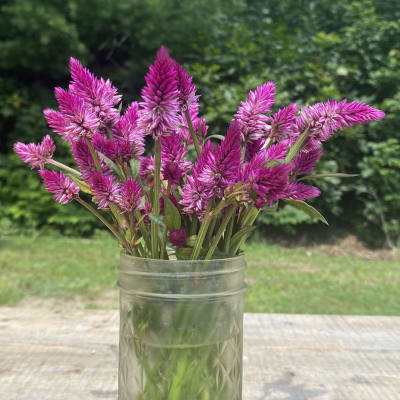
Celosia argentea var. spicata (75 days) Open pollinated. Upright 20-26" tall multi-branched wheat-type celosia produces showy spikes, light pink at the base turning to a deep rose-magenta at the tip. Green foliage starts at ground level.
These mesh ankle guards have a stretch knit band at the ankle and elastic band at the calf to keep mosquitoes and flies off your socks and legs. A nontoxic and affordable layer of protection.
This design was featured on some staff-only apparel recently, and it was so well-loved that we decided to release it to the wider world on these 100% certified-organic cotton shirts.
Coreopsis tinctoria Open pollinated. Beautiful native ornamental. Provides a full palette of color from yellows and greens to rusts and browns-and even black.
Zea mays (95 days) Open pollinated. A nutrient-dense grain that is fast maturing under harsh conditions, and stands strong for machine harvest. The soft starch makes fluffy cornbread and also binds well for Johnnycakes and tortillas.