Cucumis sativus (60 days) Open pollinated. Parthenocarpic pickler. Blocky, smaller than average fruit. Compact growth and small leaves. Can be grown under row cover.
read more
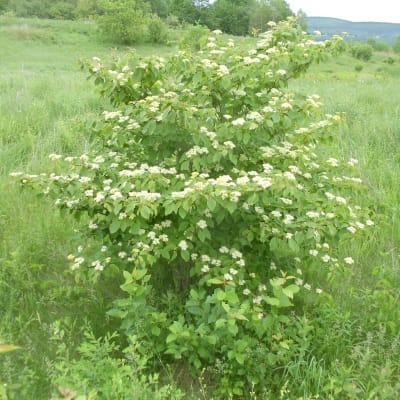
Cornus alternifolia 20' x 30-35'. Small tree or large multi-stemmed shrub with tiers of horizontal branches and fragrant white 2-3" flower clusters. Z3.
read more
Hordeum vulgare Annual spring grain. Truly hulless variety, which makes for quick, easy, low-tech processing. Fast-growing, and competes well with weeds. Tolerates drought and heavy soils.
read more
Echinochloa frumentacea Annual grass. Vigorous and versatile! Good for hay, forage, weed-smothering, building soil, and controlling erosion. Tolerates waterlogged soils, low fertility and cool conditions.
read more
Pennisetum glaucum (120 days) Open pollinated. Ornamental grass with deep-purple foliage and large purple seed spikes. Popular in arrangements. 4-5' tall.
read more
Pennisetum glaucum (120 days) Open pollinated. Ornamental grass with deep-purple foliage and large purple seed spikes. Popular in arrangements. 3-5' tall.
read more
Lupinus mutabilis (130 days, longer to seed) Open pollinated. “Lost” crop of the Incas. Wild-looking 3' lupine native to the high Andes. Attractive, many-colored flowers. Protein-rich seeds.
read more
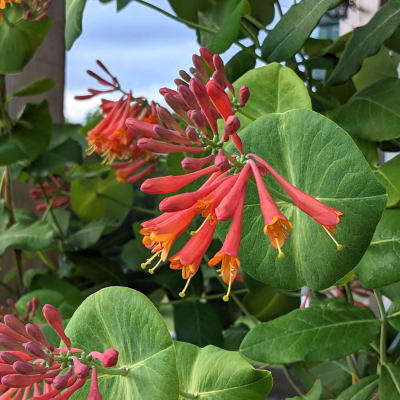
Lonicera × brownii 10-20'. Tall climbing honeysuckle. Non-invasive! Attractive to pollinators, especially hummingbirds. Species is native to North America. Z3.
read more
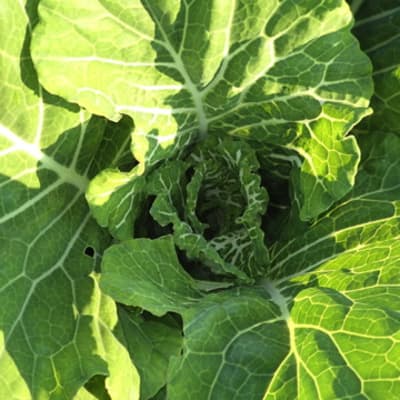
Brassica oleracea (acephala group) (61 days) Open pollinated. Florida heirloom. After frost, develops beautiful white ribs that contrast with yellow-green leaves.
read more
Brassica oleracea (acephala group) (62 days) Open pollinated. Italian heirloom also known as Lacinato and Tuscan Black. Very dark green wrinkled, pebbled sturdy leaves extend like palm fronds from stalk.
read more
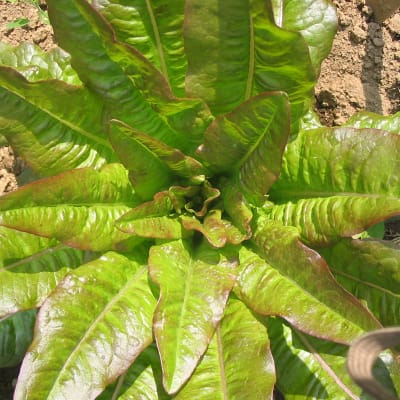
Lactuca sativa (48 days) Open pollinated. Hefty wine-red Batavian forms open rosette that folds together like a romaine at maturity. Shiny red leaves, green in the center, good for baby leaves.
read more
Lactuca sativa (48 days) Open pollinated. Compact tight uniform heads form upright rosettes for a clean market and salad harvest. Pebbled leaves shaded red and light plum on a green base.
read more
Lactuca sativa (50 days) Open pollinated. Rare. Starlike rosettes of glossy deer tongue-type leaves are tinged burgundy-red. Nutty texture and bitter-free. Very bolt resistant.
read more
Lactuca sativa (55 days) Open pollinated. Dense oakheart heads range from mini to full to elf-eared. Variations in this gene pool range from deepest solid red to the heart, red spotting, speckling and blushing, to spotless green.
read more
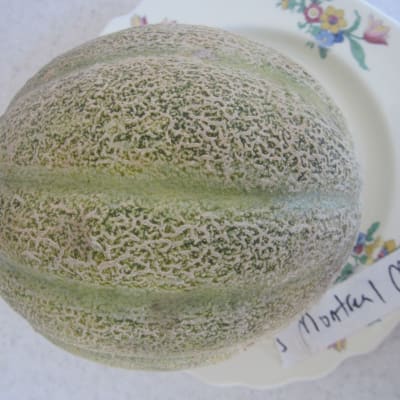
Cucumis melo (89 days) Open pollinated. Green-fleshed heirloom, once the most widely grown in Canada, New England. Netted and ribbed fruits with aromatic silky texture. Can get quite large.
read more
Amsonia tabernaemontana var. salicifolia 24–36" tall. Fine grassy willow-like foliage. Clusters of powder-blue florets in early summer. Best planted en masse. Z3.
read more
Pulmonaria 9-12" tall and eventually up to 2' wide. Periwinkle-blue buds open to pink flowers in spring. Large slate-green leaves with silver-white splotches. Woodland plant. Z3.
read more
Astrantia 24-28". Clump-forming perennial makes an excellent groundcover when planted en masse. Makes long-lasting cutflowers and is also a great container plant. Z4.
read more
Spilanthes oleracea Open pollinated. Used as a ground cover in the south, it adds unusual beauty with its low growth habit and its cute yellow flowers with rayless red-orange centers.
read more
Spilanthes oleracea Open pollinated. Used as a ground cover in the south, it adds unusual beauty with its low growth habit and its cute yellow flowers with rayless red-orange centers.
read more
Myrica pensylvanica 5-10' x same. A common sight along Maine’s rocky shores. Fragrant glossy deep green leaves and small waxy berries. Fixes nitrogen and feeds wildlife. Z2.
read more
Spiraea tomentosa 2-4' x same. Adorable little plant. Rosy pink steeples emerge as terminal spikes about 4–6" tall. Easy to grow. A must for every butterfly garden. Z3.
read more
Hamamelis virginiana 8-20' x same. Small fall-flowering tree or large shrub. Brilliant golden-yellow fall color. Quirky yellow flowers in November. Z3.
read more
Paeonia lactiflora 24–36" tall. A symphony of coral, peach, melon and pink shades in semi-double form. Very fragrant and packed with petals. Early. Z3.
read more
Capsicum annuum (64 days green, 80 days red ripe) F-1 hybrid. Uniform glossy dark red fruits are mostly 2-lobed, flattened and tapering with a recessed stem. Known as Poblano when green.
read more
Prunus spp. This is a twig for grafting. Summer. Medium-sized fruit with firm fragrant yellow semi-freestone flesh. Apricot-like flavor when cooked. Grows rapidly. Z3/4.
read more
Papaver Open pollinated. Double-purpose poppy produces white lavender single blossoms and large seed heads. White seeds have sweet, nutlike taste. 4'.
read more
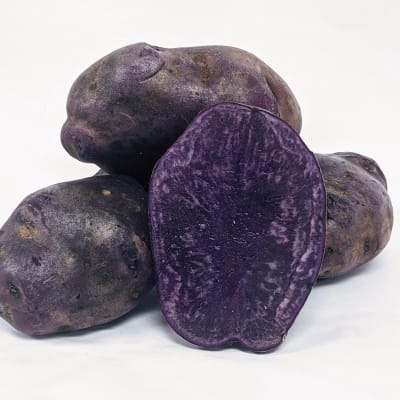
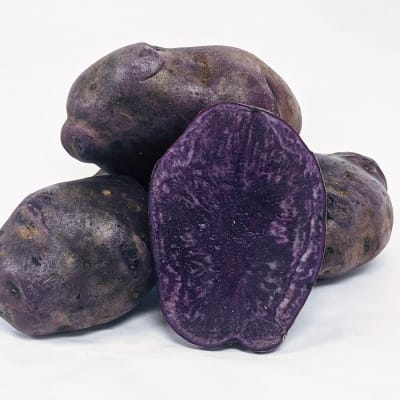
Solanum tuberosum Mid-season, blue skin, blue flesh. Maintains its purple color after boiling, roasting or frying. This spud is packed with powerful antioxidants.
read more
Solanum tuberosum Mid-season, blue skin, blue flesh. Maintains its color after boiling, roasting or frying. This spud is packed with anthocyanins, powerful antioxidants that can lower risks of heart and neurological diseases.
read more
Solanum tuberosum Early to mid-season, blue skin, yellow flesh. Round sapphire exterior creates a striking contrast with stunning gold flesh. High yielding. Also known as Peter Wilcox.
read more
Solanum tuberosum Mid-season, red skin, yellow flesh. Gorgeous, with excellent flavor, smooth texture and hearty yields. Late-blight resistant.
read more
Solanum tuberosum Mid-season, red skin, yellow flesh. Gorgeous, with excellent flavor, smooth texture and hearty yields. Late-blight resistant.
read more
Rosa 4-5' × same. One of the oldest and most beautiful of the antique shrub roses. Highly fragrant medium-pink very double quartered blossoms. Z3.
read more