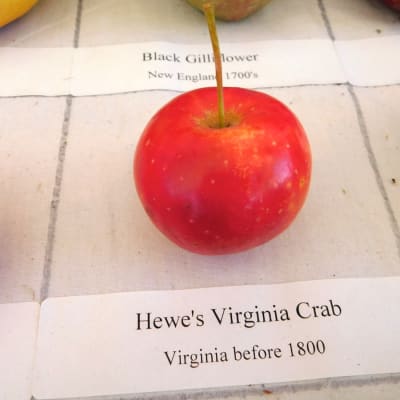
Malus spp.This is a twig for grafting. Fall, red skin. Sharp cider apple. One of few good for single varietal cider. Incredibly vigorous, productive. Hardy. Z4.
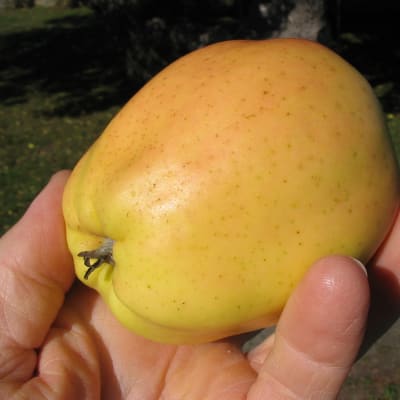
Malus spp.This is a twig for grafting. Fall, orange-blushed skin, yellow flesh. A popular variety in Germany. Firm, juicy, aromatic flesh with hints of tropical flavor. Makes a pleasant orange-colored juice. Z4.
Malus spp.This is a twig for grafting. Fall, red-blushed and striped skin. Possible Red Delicious seedling with a similar shape but a superior eating experience! Crisp flesh and balanced sweet-tart flavor. Good fresh, great dried. Stores into winter. Z4.
Malus spp.This is a twig for grafting. Fall, russeted lime green skin, slightly yellow flesh. Large, distinctive “cathead” shape. Mild, moderately crisp, moderately tart and subtle. All-purpose; excellent for cooking, especially sauce. Z4.
Malus spp.This is a twig for grafting. Summer, red-striped skin. One of the best varieties for summer fresh eating and cooking. Stays crisp long enough to use the crop. Disease and pest resistant. Very hardy. Z3.
Malus spp.This is a twig for grafting. Summer, red skin, white flesh. High-quality apple for fresh eating and sauce. Yellow fruit with dark red streaks and blotches. Fine-grained juicy tender aromatic creamy white flesh. Z3.
Malus spp. Winter, red-striped skin. Famous heirloom apple. Very large, juicy, tender. Makes a great single-variety pie! All-purpose. Good keeper. Scab-resistant. Z4.
Malus spp.This is a twig for grafting. Winter, red-striped skin. Famous heirloom apple. Very large, juicy, tender. Makes a great single-variety pie! All-purpose. Good keeper. Scab-resistant. Z4.
Malus spp.This is a twig for grafting. Fall, deep red skin. Supremely flavorful dessert apple. Large brilliant deep red fruit. Crisp, sweet, tart and juicy. Best eaten fresh, but also considered a good cooking apple. Good keeper. Z4.
Malus spp.This is a twig for grafting. Fall, russeted green-yellow skin. Medium-small russet fruit with a longtime reputation as one of the very best dessert apples. Superb fresh eating. Keeps fairly well, still crunchy in January. Z3.
Malus spp.This is a twig for grafting. Summer, yellow skin. Modern PRI-bred variety. Mildly tart, spicy and rich flavored. Great fresh eating quality. Disease-resistant, scab immune. Blooms mid-late season. Z4.
Malus spp.This is a twig for grafting. Summer, red skin. One of the best-flavored early apples for northern growers. Crisp, tender, juicy subacid. Glossy red round fruit. Z3.
Malus spp.This is a twig for grafting. Winter, yellow skin. Large firm crisp fine-grained juicy aromatic all-purpose apple does everything well, including keeping all winter. Blooms early-midseason. Z4.
Malus spp.This is a twig for grafting. Fall, red-striped skin. Small astringent very juicy fruit. Bittersharp cider apple. The most bitter apple you’ll ever taste. Not for eating fresh. Z4.
Malus spp. Late fall, green skin. Full bittersweet cider apple. Low acidity and a nice astringency. If you’ve been looking for late-ripening bittersweets, try this one. Z4.
Brassica rapa (37 days) Open pollinated. Produces many pencil-thick deep purple flowering shoots with pleasing mild mustard flavor. Grows best in cool weather.
Brassica rapa (45 days) F-1 hybrid. Slow-growing 8-10" deep purple rounded leaves stand beautifully, and are mild and delectable all the way through the season.
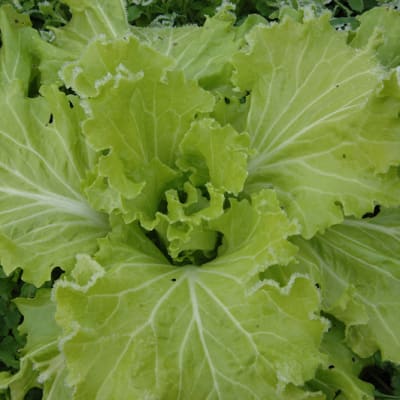
Brassica rapa (chinensis group) (20 days baby, 45 days full size) Open pollinated. Lettucy pale green ruffled leaves. Mild, sweet. Will re-grow after cuttings. Cold hardy.
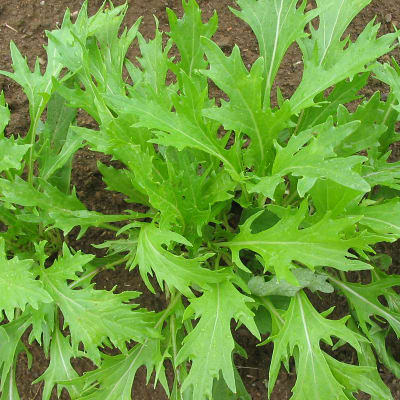
Brassica rapa (japonica group) (40 days) Open pollinated. Japanese heirloom. Deeply cut fringed leaves on slender white stalks. For microgreens, cut-and-come-again, succession plantings and baby leaf production.
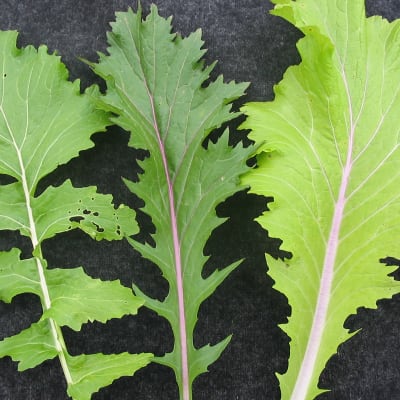
Brassica juncea (40 days) Open pollinated. Bold purple-blushed delicately serrated mizuna-type leaves with sweet and spicy flavor. For spring and fall plantings. Bolts in heat.
Brassica oleracea (alboglabra group) (45 days) Open pollinated. Dark green large tender leaves with just the right kind of mustardy bite. Prolific yields can be harvested at full size or as baby greens.
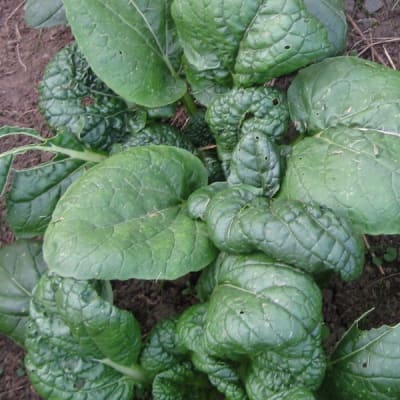
Brassica rapa (45 days full size; 21 baby) Open pollinated. Grows in rosettes like tatsoi, but bigger, more upright with leaves less shiny and more puckered. Harvest young for salad greens or mature for braising.
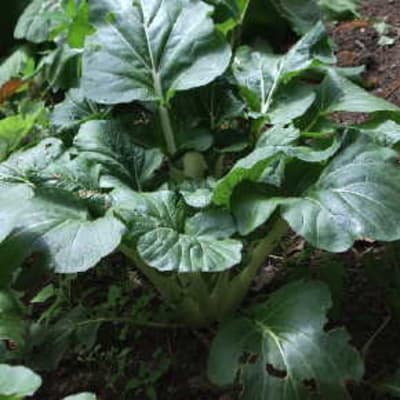
Brassica rapa (chinensis group) (50 days) F-1 hybrid. Uniform pac choi heads with dark green leaves and thick succulent basal stems. For summer and fall crops.
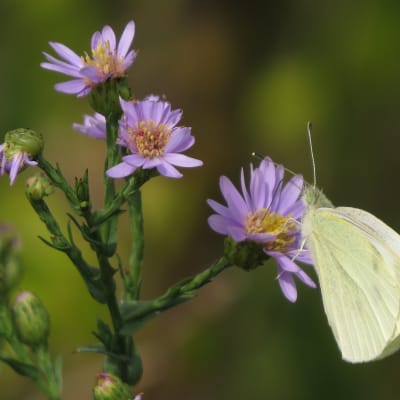
Symphyotrichum novae-angliae 4-6' tall. North American native. Blooms range from blue-purple to lavender-pink with yellow eyes. Attractive to pollinators. Z3.
Symphyotrichum laeve 3-4' tall. North American native has Loose clusters of lavender-blue blossoms with yellow eyes. Smooth blue-green foliage. Attractive to pollinators in late season. Z3.
Ocimum basilicum (70 days) Open pollinated. Impressive yields from shapely plants well suited to pots or the field. Classic sweet Genovese flavor and a marvelously potent aroma. Resists powdery mildew.
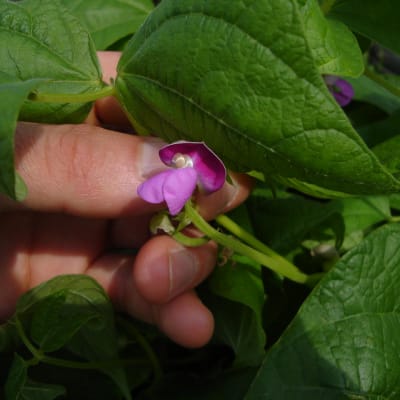
Phaseolus lunatus (95 days) Open pollinated. A pole lima that will actually ripen in the Northeast! Vigorous vines produce large pods of tender, sweet and delightfully beany limas.
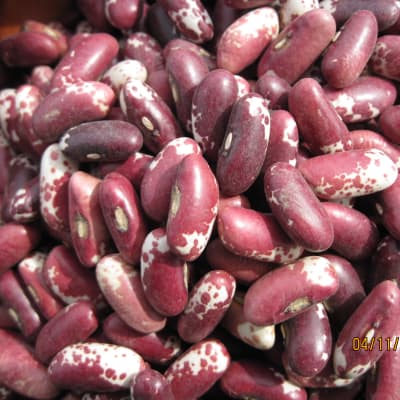
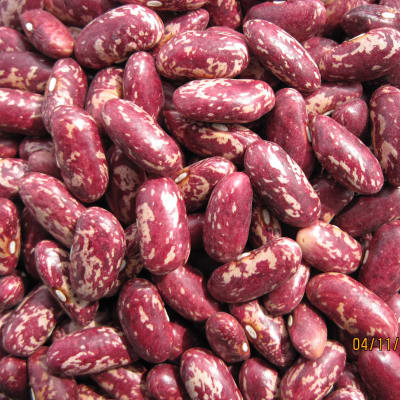
Phaseolus vulgaris (70 days) Open pollinated. Beautiful 6-7" green pods with purple streaking. Tan seed with dark stripes. Also known as Preacher Bean.
Phaseolus vulgaris (59 days) Open pollinated. Produces heavy yields of fleshy medium-green 5" pods that are slow to develop seeds. Pods aren’t as wide as Roma II, but walls are thicker and juicier.
Beta vulgaris (60 days) Open pollinated. Grown for greens, not roots. Large glossy reddish-purple leaves. Holds quality in summer but best in fall and under winter cover.
Beta vulgaris (60 days) Open pollinated. Grown for greens, not roots. Large glossy reddish-purple leaves. Holds quality in summer but best in fall and under winter cover.
Beta vulgaris (48 days) Open pollinated. From 1911, beloved by commercial growers and home gardeners. Early beet greens and bunching beets. Quick cold soil emergence. Attractive purple tops.
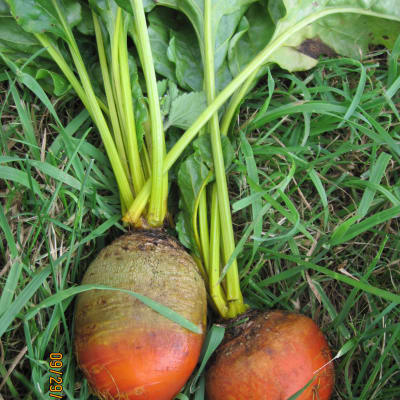
Beta vulgaris (55 days) Open pollinated. Vibrantly golden beets, sweet and delicious. Elongated pyramid shape with no green shoulders. Greens also delicious!