A great boost for transplants, potted plants and garden soils. Improves soil structure, provides a generous dose of slowly released nutrients and enhances microbial activity.
A blend of granite meal, sulfur, Tennessee brown rock phosphate, compost and Azomite. Reduces soil pH and provides the nutrients necessary for healthy blueberry plants and good fruit.
This fertilizer and amendment mix includes all the goods contained in our well-loved CannaLot MegaSoil, minus the compost and potting soil. Great for plants grown in the ground, and cheaper to ship!
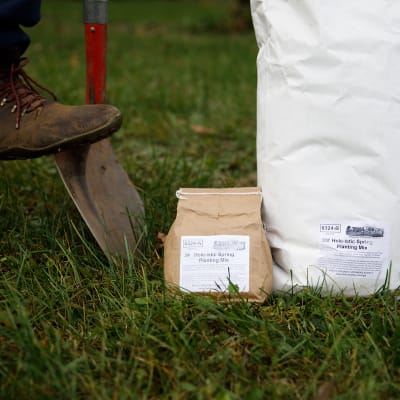
For a deluxe tree planting spot, choose this mix! Contains a broad spectrum of macro and micronutrients and soil conditioners that fruit trees thrive on. Follow our directions for use in the fall.
A balanced fertilizer to keep your bearing fruit trees healthy and productive. If your tree put on 4" or less of terminal growth last year, our Fruition Mix will put new spring in its step!
Recommended for fruit trees at planting time. Our own well-balanced blend of Tennessee brown phosphate, alfalfa meal, Azomite, and K-Mag in a humus-rich base of worm castings.
NPK: 2.5-6-3. Show your flowers you appreciate them by treating them to dinner now and then. This mix is formulated to feed both soil and plant to encourage healthy foliage and lush, colorful blooms.
NPK: 2-5-0.2. Fish heads, bones, skin and guts finely ground and then enzymatically digested. Can be used as foliar feed. Made from wild fish scraps from the fishing industry along the Great Lakes.
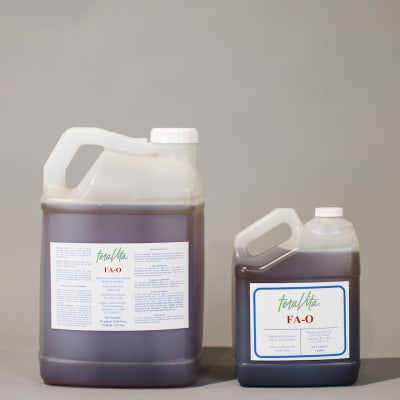
Fulvic acid is a powerful antioxidant and chelator: one molecule can transport 60 or more minerals into plant cells for a more efficient and effective fertilization program
Copper is necessary for efficient photosynthesis and respiration and affects the sugar content and flavor of produce. Contains 4% chelated copper derived from copper sulfate.
Iron is essential for chlorophyll development and function, and is also involved in nitrogen fixation by legumes. Contains 5% chelated iron derived from ferrous sulfate.
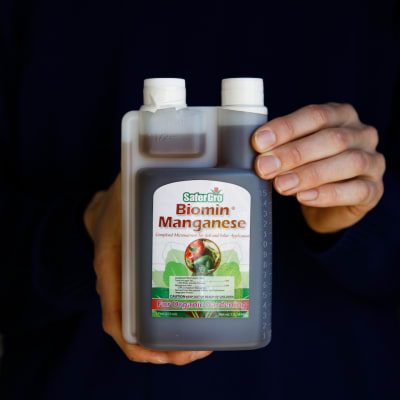
Manganese helps plants to synthesize chlorophyll and is used in electron transport during photosynthesis. Contains 1% nitrogen from vegetable protein and 5% chelated manganese.
Zinc is a component of auxin, an essential growth hormone, and is also necessary for proper root development. Improves cold tolerance. Contains 7% zinc derived from zinc sulfate.
NPK: 4-4-0.5. Contains fish hydrolysate, kelp extract, humic and fulvic acids, and a dash of chilean nitrate to boost the nitrogen levels for rapid vegetative growth.
Contains about 5% potassium in very slow-release form. Can be added to the soil in large amounts without altering the pH. Greatly enhances soil structure and promotes healthier plants.
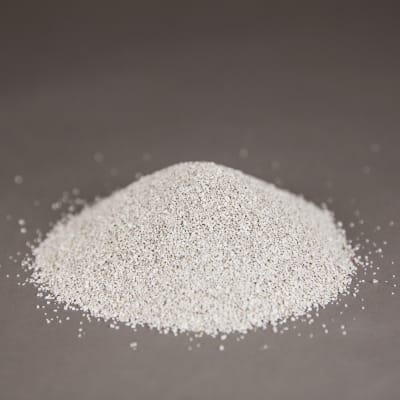
Zeolites can improve the productivity of any texture of soil, improving water and mineral retention in sandy soils and improving aeration and minimizing compaction in heavier soils.
NPK: 2.5-0.4-3.3 avg. Gives plants a noticeable boost and feeds soil organisms. Excellent vegan alternative to blood meal as a nitrogen source. Hands-down the best-smelling fertilizer out there.
NPK: 0.5-0.5-0.3 apx, plus trace minerals. Worm castings limit plant disease and have beneficial effects including enhanced mycorrhizal activity and the suppression of parasitic nematodes.
Malus spp.This is a twig for grafting. Late fall, russeted yellow skin. Full bittersweet cider apple. Lots of tannin. Light yellow fruit mostly covered with tan russet. Combine with other late varieties. Z4.
Malus spp. Winter, russeted greenish bronze skin, white flesh. Excellent fresh eating. Very large russeted fruit with firm white fine-grained flesh and nutty sweet-sharp flavor. Good keeper. Z4.
Malus spp.This is a twig for grafting. Winter, russeted greenish bronze skin, white flesh. Excellent fresh eating. Very large russeted fruit with firm white fine-grained flesh and nutty sweet-sharp flavor. Good keeper. Z4.
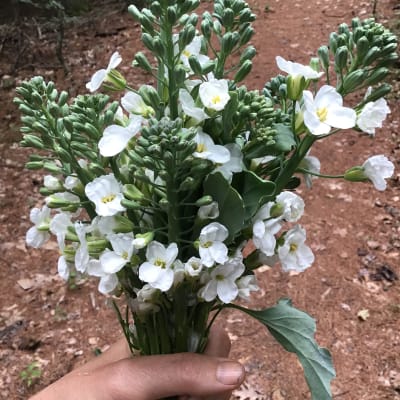
Brassica oleracea (45-60 days) F-1 hybrid. Also called Chinese Broccoli. Grown for succulent stems, leaves and florets. Uses and flavor similar to broccoli. Tolerant to heat and cold.
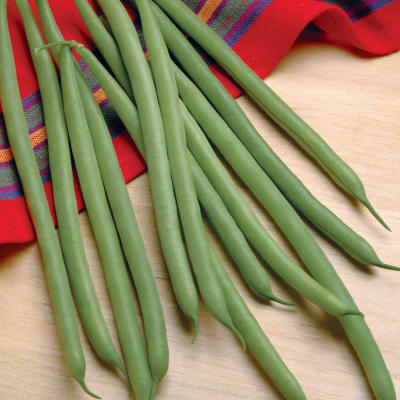
Phaseolus vulgaris (56 days) Open pollinated. High yields of tasty 5–7" straight slender round dark green beans. Holds quality well both on the plant and after harvest.
Phaseolus vulgaris (56 days) Open pollinated. High yields of tasty 5–7" straight slender round dark green beans. Holds quality well both on the plant and after harvest.
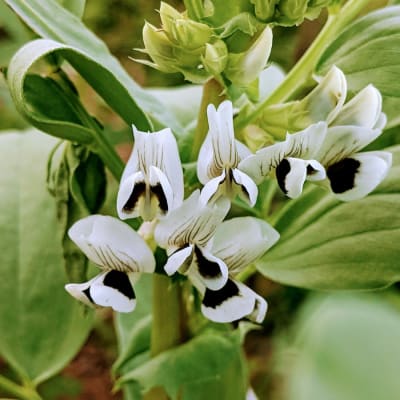
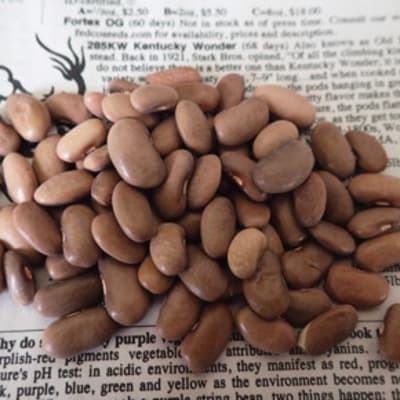
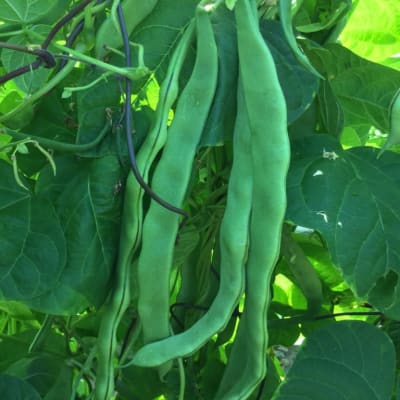
Phaseolus vulgaris (60 days) Open pollinated. Fortex begins producing early and keeps going into fall, long after others have quit. Its flavor and texture reign supreme, a distinctive nutty taste that can be enjoyed raw or cooked.
A must-read for anyone in the cannabis industry. Covers all aspects from soil and seed, to planting, growing and maintaining, through markets and product diversification. Funny and informative.
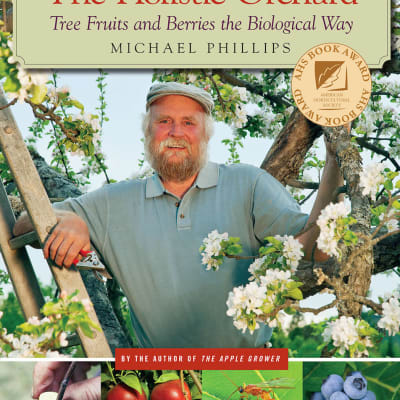
Covers a wide range of crops, while addressing orchard design, dynamics and horticulture in unparalleled detail. Pruning, planting, companion planting, spraying, not spraying—it's all here!
Brassica oleracea (botrytis group) (62 days) F-1 hybrid. Consistent 6–8" high-domed heads with gorgeous blue-green beads. Resilient variety developed for growers in the Northeast.
Brassica oleracea (capitata group) (75 days) Open pollinated. Distinctive violet-rose color. Small to medium 3-5 lb heads can be up to 7" across on a compact plant.
Eschscholzia californica (60 days) Open pollinated. Cheery cup-shaped silky blooms range from light orange to deep rust, opening their faces to the sun each morning and closing up again at night.