Astrantia 24-28". Clump-forming perennial makes an excellent groundcover when planted en masse. Makes long-lasting cutflowers and is also a great container plant. Z4.
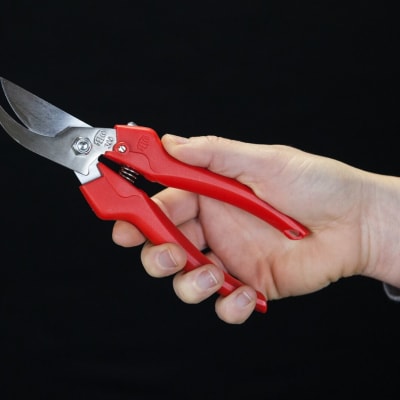
Lightweight and affordable shears. Useful for light pruning, deadheading and cutting stems for arranging. Made with the same fine steel as the more expensive Felco tools.
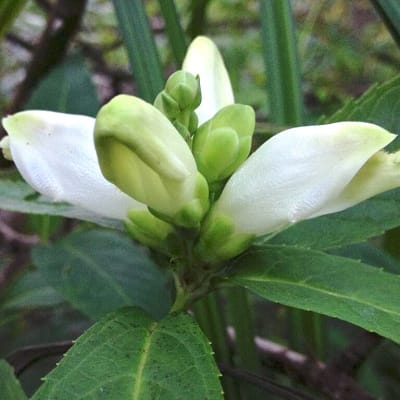
Chelone glabra 2–4' tall. Native wildflower blooms late along with the asters. A final feast for the bumblebees. Prefers moist soil, dappled light. Z4.
Amsonia tabernaemontana var. salicifolia 24–36" tall. Fine grassy willow-like foliage. Clusters of powder-blue florets in early summer. Best planted en masse. Z3.
Actaea racemosa 5-7' tall. Long arching racemes of creamy white serpentine flower spikes. Flowers mid to late summer. Medicinal. Woodland native and pollinator powerhouse. Z3.
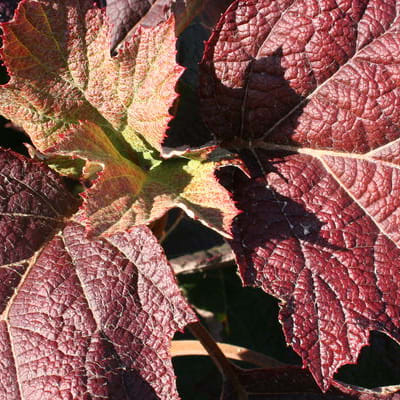
Hydrangea quercifolia 4-6' x 6-8' Spreading multi-stemmed shrub with oak-like leaves and spiked white flowers. Dried flowers turn pink to bronze. Cultivar selected for strong flower stems that won't flop over. Z5.
Eryngium yuccifolium 3-6' tall. Globe-thistle-like 1" greenish-white flowerheads. Subtle honey-like scent. North american native. Great for cutflower production. Z3.
Rubus odoratus 3-6' x 6-12' Relative of the cultivated raspberry, with fragrant flowers and nutritious fruit. Thornless, long-blooming, attractive to pollinators. Excellent addition to wildlife hedges. Z4.
Echinops ritro 3–4' tall. Luminous steel-blue spiky spheres on stiff stems with silvery green leaves. Excellent for fresh or dried arrangements. Blooms mid-to-late summer. Z3.
Sempervivum Low-growing rosette-forming succulents produce runners and babies. Drought and heat tolerant. Cold-hardy too! Colorful mix of reds, greens and purples. Z3.
Ocimum basilicum (60 days) Open pollinated. Purple stems and flowers of standard Thai, but displayed upon a strong bushy umbrella form with wide and beautifully ample flowers.
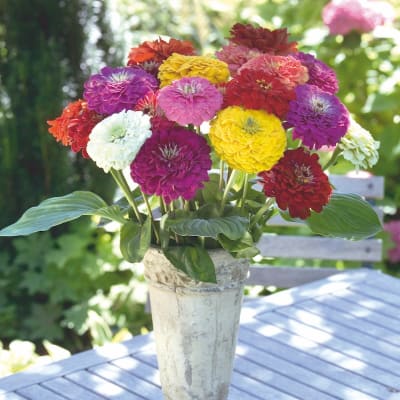
Annual flowers for bouquets! Selection is similar to our Cutflower Mix, but the seeds are packed separately, so you can consider each variety’s individual growing needs.
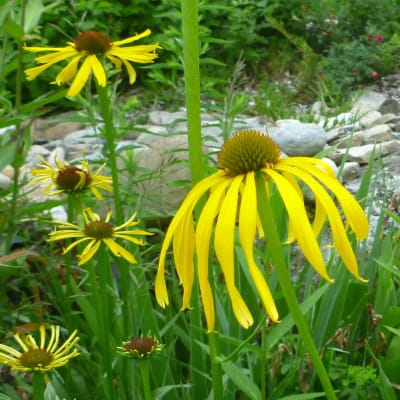
Echinacea paradoxa 3-5' tall. Bright pure-yellow flowers with drooping petals surround spiky dark brown seed cones—irresistible to gobbling goldfinches! Z3.
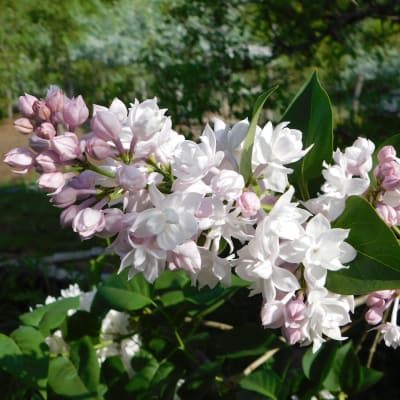
Syringa vulgaris 12x8'. Dazzling pearly lavender-pink buds open to delicate double light pink-shaded white flowers tinged with lavender. Long bloom period. Z3.
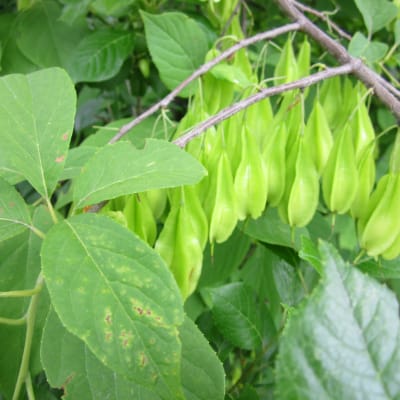
Halesia carolina 20-40' × 15-30'. Small tree or large multi-stemmed shrub. Edible flowers and fruit. Beautiful addition to woodland gardens! Native to Appalachia. Z4.
Diervilla lonicera 2-4' x 2-5'. Clusters of yellow tubular flowers attract pollinators. Lustrous green leaves emerge with a hint of bronze. Good for erosion control. Z3.
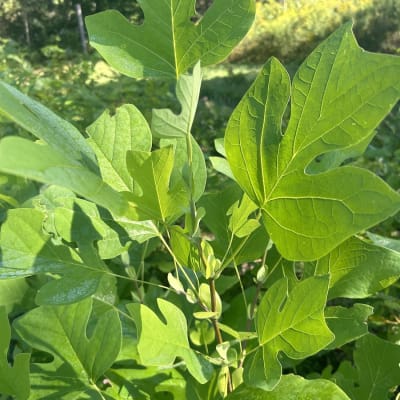
Liriodendron tulipifera 60-90' x 30-50'. Also called Tulip Poplar. Highly ornamental shade tree. Large tulip-like flowers attract hummingbirds. Native to eastern U.S. Z4/5.
Natural phosphorus source. Adequate phosphorus results in more vigorous early root formation, better flower and seed production, better growth in cold temperatures, and better water use efficiency.
Lavandula angustifolia Open pollinated. More compact habit than common Lavender with deeper green leaves and a more powerful, less sweet, aroma. 1' plants have bold clustered flower spikes with deep color from mid-July to early September.
Verbena hastata Open pollinated. Perennial. 5-6' plant grows naturally in moist thickets and meadows does well in similar garden conditions, sending up many terminal spikes of bristly blue-violet flower clusters the entire season.