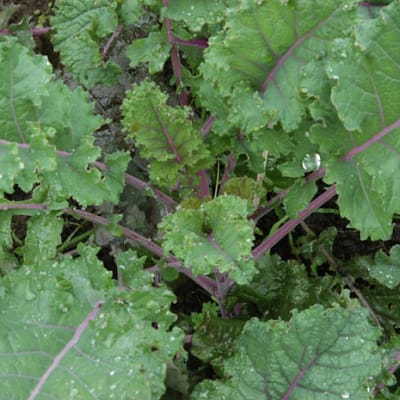
Brassica oleracea (acephala group) (65 days) F-1 hybrid. Crinkly and very curly, of the Dutch borecole type. Upright uniform productive plants hold well in the field in all weather conditions and continue to grow.
Brassica oleracea (acephala group) (65 days) F-1 hybrid. Crinkly and very curly, of the Dutch borecole type. Upright uniform productive plants hold well in the field in all weather conditions and continue to grow.
Brassica oleracea (acephala group) (61 days) Open pollinated. Lacinato crossed with Redbor. Curly edges, red veins, purple or blue-green leaves, diverse shapes and colors. Productive and cold-hardy.
Brassica oleracea (acephala group) (60 days) F-1 hybrid. Tall plants with ruffled red leaves; color intensifies in cool weather. Very cold hardy ornamental edible.
Brassica oleracea (acephala group) (60 days) Open pollinated. Vigorous upright lacinato-leaved kale in a range of bluish-green shades, all with a dramatic pink mid-rib.
Brassica napus (pabularia group) (55 days) Open pollinated. Cold hardy 18-28" purple and red-veined kale leaves grow frilly while remaining very tender. Good for bunches and mesclun mixes.
Brassica napus (pabularia group) (55 days) Open pollinated. Cold hardy 18-28" purple and red-veined kale leaves grow frilly while remaining very tender. Good for bunches and mesclun mixes.
Brassica napus (pabularia group) (60 days) Open pollinated. Serrated silvery-green flat-leaf Siberian-type kale with white veining. Sweetens after frost. Extremely cold hardy.
Brassica oleracea (gongylodes group) Green skin, white flesh. (38 days) F-1 hybrid. A nicely rounded head, with rampant health and vigor. Crunch crisp texture and mild nutty sweetness.
Brassica oleracea (gongylodes group) Green skin, white flesh. (45 days) F-1 hybrid. Very early consistently high-quality green kohlrabi. Tender with sweet flavor.
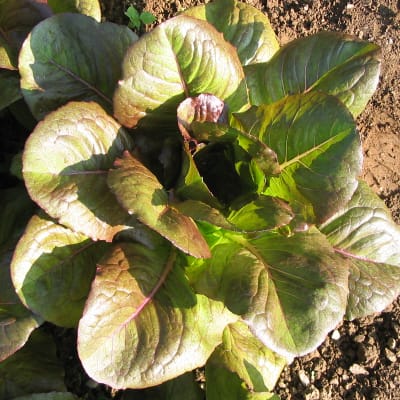
Lactuca sativa (65 days) Open pollinated. French heirloom. Semi-romaine head with deep red outer leaves. Green inner leaves with bronze tips. Excellent cold tolerance, good for overwintering.
Cucumis melo White flesh. (80 days) Open pollinated. Round-to-oblong 2–3 lb fruit that embodies the texture, flavor and redolence of the finest pear. High yielding, even in melon-challenging seasons.
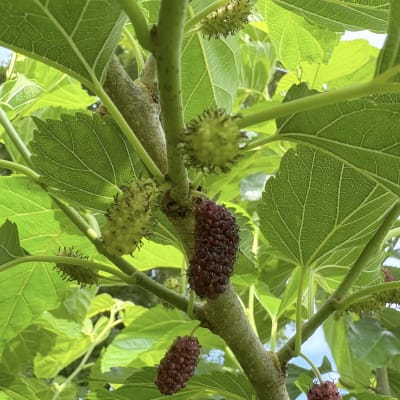
Morus alba × M. rubraThese are hardwood cuttings for propagation using rooting hormone. One of the most renowned mulberry varieties. Self-fruitful cultivar, so only one plant is required for fruit. Z4/5.
Morus hybrid 30x20'. One of the hardiest mulberries! Tasty medium-sized fruit ripens over several weeks in midsummer. Self-fruitful grafted cultivar. Its mother tree is now more than 170 years old. Z3.
OMRI-listed heavy duty paper mulch! Made from reclaimed cardboard, 100% bio-based, biodegradable/compostable, it blocks weeds while preserving moisture and your conscience.
OMRI-listed heavy duty paper mulch! Made from reclaimed cardboard, 100% bio-based, biodegradable/compostable, it blocks weeds while preserving moisture and your conscience.
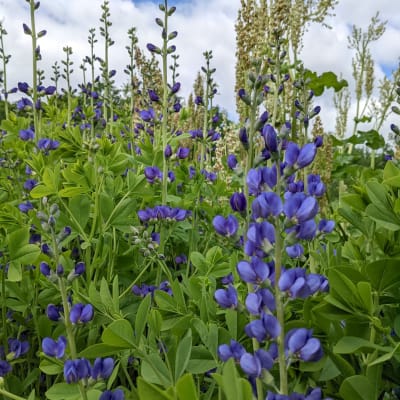
Baptisia australis 3-4' x same. Vibrant blue lupine-like flowers in early summer. Bushy habit and shrub-like structure once mature. Good for erosion control. Z3.
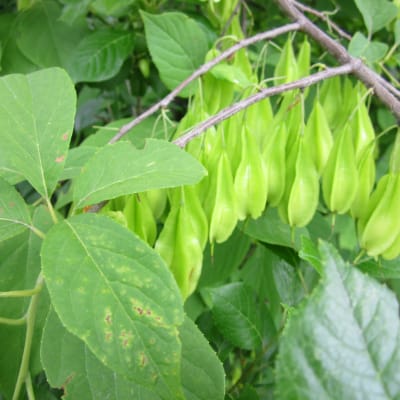
Gaylussacia baccata 1-3' x 2-4'. Cousin of the blueberry. Less acidic, more mildly sweet flavor. Flowers in June, fruits in August. Full sun to part shade but fruits best in sun. Native to eastern U.S. and Canada. Z3/4.
Halesia carolina 20-40' × 15-30'. Small tree or large multi-stemmed shrub. Edible flowers and fruit. Beautiful addition to woodland gardens! Native to Appalachia. Z4.
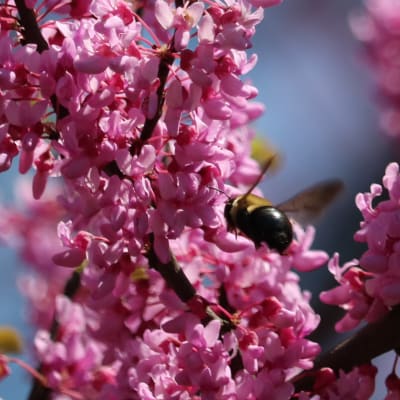
Cercis canadensis 25-30' × same. Small vase-shaped ornamental tree. Clusters of brilliant edible purplish-pink pea-like flowers fill the entire tree in spring. Z4/5.
Clethra alnifolia 4-5' x same. Red buds and beautiful spires of heavenly scented deep-pink flowers appear for 6 weeks in midsummer. Erect oval habit. Z3.
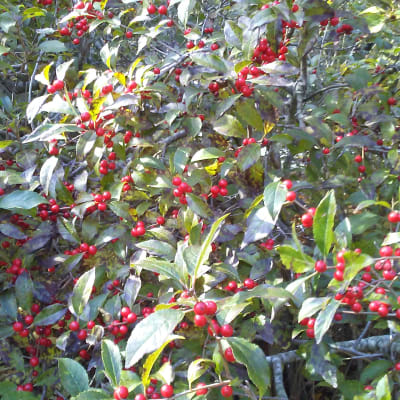
Ilex verticillata Bright-red berries stand out through the winter, providing late-spring forage for birds. A staple of the Maine landscape. Unsexed seedlings, plant several for berries. Z4.
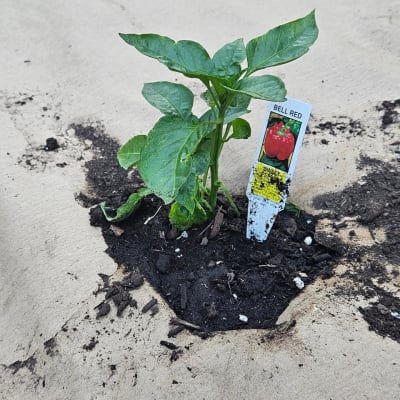
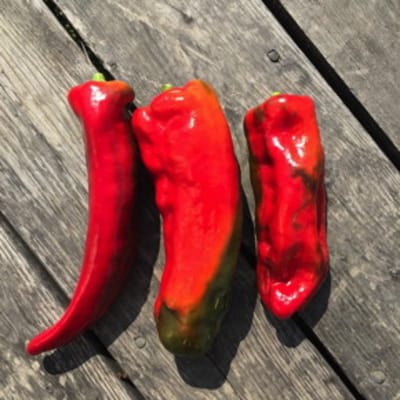
Capsicum annuum Red skin. (87 days) Open pollinated. Heirloom from Ukraine. 2¼x4½" tapered peppers ripen from lime to orange to red. Crisp, juicy, thick-walled.
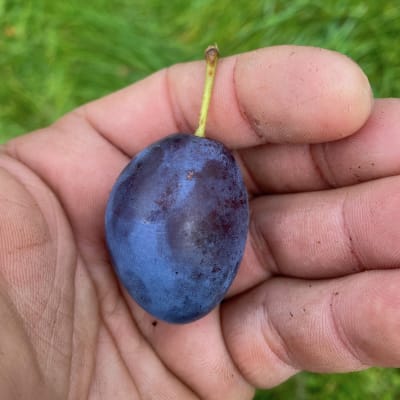
Prunus domestica Blue skin, golden yellow flesh. A relatively new plum showing promise in commercial and home orchards. Very juicy sweet yellow flesh. Clingstone. Z5.
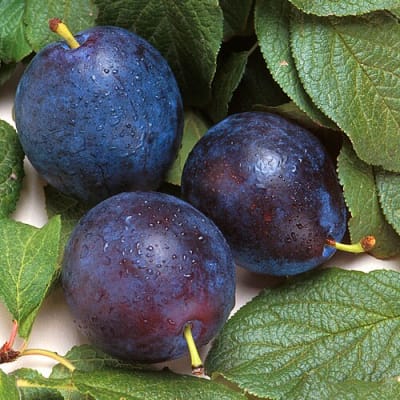
Prunus domestica Late summer, dark purple skin, greenish yellow flesh. Often considered the sweetest European plum. Use fresh, dried, frozen, canned and in preserves. Abundant annual crops. Z3.
Prunus spp. Late summer, red-purple skin, red-purple flesh. Meaty, mild and rich with no astringency. Red-purple skin and flesh. Clingstone. One of the most delicious plums! Z4/5.
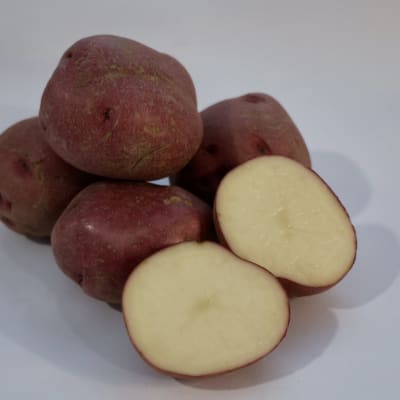
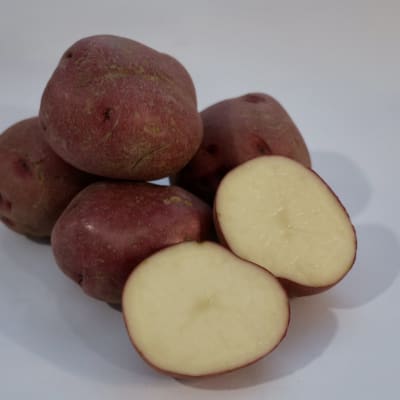
Solanum tuberosum Very late season, russeted brown skin, white flesh. Known to most as the Idaho Potato, the dry mealy texture makes it a trusty old favorite. A great baking or mashing potato. Its reliably high yields mature late in the season.
Solanum tuberosum Very late season, russeted brown skin, white flesh. Known to most as the Idaho Potato, the dry mealy texture makes it a trusty old favorite. A great baking or mashing potato. Its reliably high yields mature late in the season.