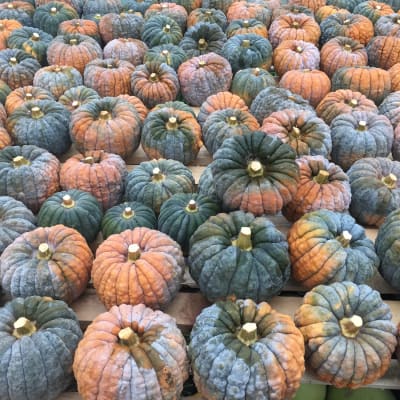
Cucurbita maxima Forest green skin. (85 days) F-1 hybrid. 7x4" squash squash with no cup has jade sutures with jade splotches over forest green skin. 2" thick flesh. Early maturing.
Cucurbita maxima Dark blue-tinted brown skin. (95 days) Open pollinated. 4–6 lb subtly ribbed, slightly flattened 6x5" fruits ripen to buff chestnut-brown with a blue sheen. Flesh is moist but not watery. Great keeper.
Cucurbita pepo Yellow skin. (88 days) Open pollinated. Classic heirloom. 4 lb oblong fruit with pale to deep gold skin when ripe. Spaghetti-like "strings" in flesh.
Cucurbita moschata Orange skin. (105 days) Open pollinated. Exquisite Japanese heirloom. Smooth fine-grained orange flesh has a rich, almost pumpkin-pie flavor. Edible skins are thin and tender enough to be served on the rind.
Cucurbita maxima Pinkish orange skin. (112 days) Open pollinated. Appalachian heirloom. Somewhat warty pinkish-orange buttercup-shaped fruits with blue-green markings. Averages two fruits per plant ranging from 5-25 lb each.
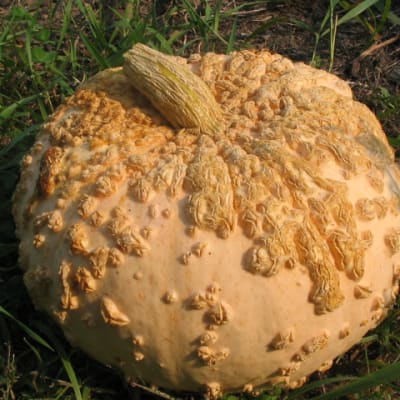
Cucurbita maxima Peach skin. (98 days) Open pollinated. Unique French heirloom. Round slightly flattened 15 lb fruit has salmon-peach skin covered in peanut-like warts. Lovely, or ugly?
Cucurbita maxima Green skin. (100 days) Open pollinated. Unique Italian heirloom. Gorgeous aquamarine to dark green 15 lb fruit. Round, flattened with bumps and ridges
Cucurbita moschata Light brown skin. (110 days) Open pollinated. Buff tear-drop shaped 7 lb fruit with very hard rind stores long. Delicious deep orange flesh. Seminole heirloom.
Allium cepa Red skin. (116 days) F-1 hybrid. Long day. Large solid glossy globes—the best red storage onion for northern growers. Very high yield potential.
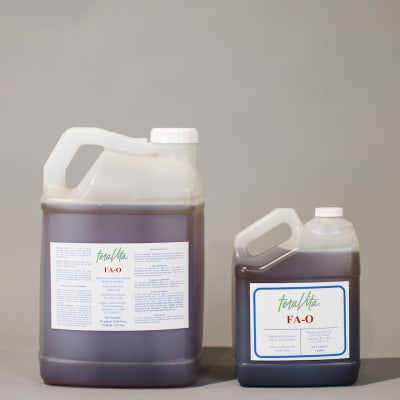
Fulvic acid is a powerful antioxidant and chelator: one molecule can transport 60 or more minerals into plant cells for a more efficient and effective fertilization program
Malus spp. Late fall, golden skin, yellowish flesh. European heirloom. Crisp fine-grained flesh with bold citrusy pineapple flavor. Good for dessert, cooking and pressing. Stores well. Z4.
Malus spp.This is a twig for grafting. Late fall, golden skin. European heirloom. Crisp fine-grained flesh with bold citrusy pineapple flavor. Good for dessert, cooking and pressing. Stores well. Z4.
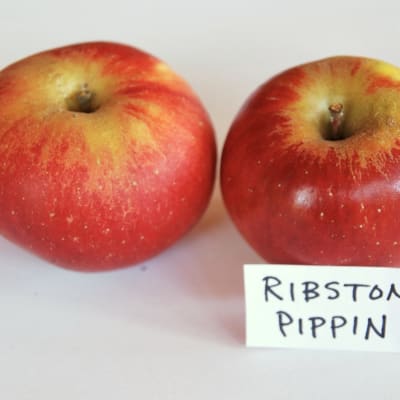
Malus spp. Winter, red-blushed skin, cream flesh. European heirloom. Popular for its unusual shape and prized for its flavor and storage ability. Blooms midseason. Z4.
Malus spp.This is a twig for grafting. Winter, red-blushed skin. European heirloom. Popular for its unusual shape and prized for its flavor and storage ability. Blooms midseason. Z4.
Malus spp. Late summer-early fall, purplish red skin, red-stained white flesh. Summer-Fall. Very hardy high-quality cooking apple. Large and glossy purplish-red roundish fruit. Firm juicy flesh. Good for fresh cider. Stores 2 months. Z3.
Malus spp.This is a twig for grafting. Late summer-early fall, purplish red skin. Summer-Fall. Very hardy high-quality cooking apple. Large and glossy purplish-red roundish fruit. Firm juicy flesh. Good for fresh cider. Stores 2 months. Z3.
Malus spp. Winter, pale green-yellow skin, white flesh. Large fruit with fine-grained juicy flesh. Famous dessert and cooking apple. All-purpose. Keeps till midwinter. Z4.
Malus spp.This is a twig for grafting. Winter, pale green-yellow skin, white flesh. Large fruit with fine-grained juicy flesh. Famous dessert and cooking apple. All-purpose. Keeps till midwinter. Z4.
Malus spp.This is a twig for grafting. Fall, russeted orange skin. Ancient French dessert apple with a strong fruity sweet-tart flavor. Cold hardy, productive and resistant to scab. Blooms late, so good for avoiding spring frosts. Z4.
Malus spp.This is a twig for grafting. Fall-winter, rich yellow skin, yellow flesh. One of the most popular apples in the world. All-purpose apple great for fresh eating, baking and sauce. Z4.
Malus spp.This is a twig for grafting. Winter, golden skin, white flesh. Medium-to-large dessert apple is hard, very crisp, juicy, tart. Keeps till May. Highly disease-resistant. Blooms midseason to late. Z4.
Malus spp. Multi-colored skin. Be the proud keeper of a sister tree to one of many rare varieties planted at the Maine Heritage Orchard. $30 from the sale supports the project.
Malus spp. Fall-winter, green skin, light yellow-green flesh. Large, crisp and tart. Classic New England cooking apple; also great fresh eating. Keeps well into winter. Z4.
Malus spp. Fall-winter, russeted red skin. Medium-large, sharp, crisp, rich, aromatic dessert apple. Also good in cider. Great fresh eating till January. Blooms midseason. Z4.
Malus spp.This is a twig for grafting. Fall-winter, russeted red skin. Medium-large, sharp, crisp, rich, aromatic dessert apple. Also good in cider. Great fresh eating till January. Blooms midseason. Z4.
Malus spp. Winter, russeted green skin. Rich, spicy and juicy. A great late-winter dessert apple; good cooking. Stores until summer. Scab resistant. Z4.
Malus spp.This is a twig for grafting. Winter, russeted green skin. Medium-large, rich, spicy and juicy. A great late-winter dessert apple; good cooking. Stores until summer. Scab resistant. Z4.
Malus spp.This is a twig for grafting. Summer, red skin. One of the best-flavored early apples for northern growers. Crisp, tender, juicy subacid. Glossy red round fruit. Z3.
Malus spp.This is a twig for grafting. Fall, bronze-red skin. Medium-sized apple. Sweet, nutty and spicy flavors. Fine-textured crisp flesh. Keeps till midwinter. Some resistance to scab. Z3.
Malus spp. Late summer, red-striped skin. Medium-sized, highly-flavored fruit. Good balance of acid/sweet. Crisp and juicy fresh-eating. Stores up to seven weeks. Z3.
Malus spp. Fall, dark red skin. Bittersharp cider apple. Dark red crabapples look like enlarged cranberries. Mostly tart and slightly sweet with a bitter finish. Z4.
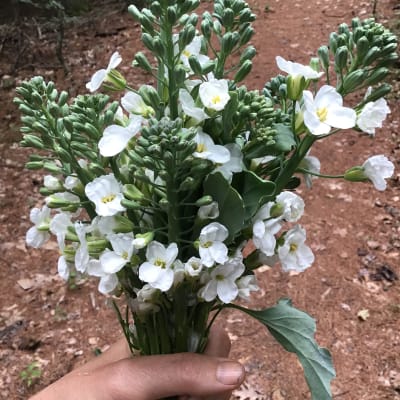
Brassica rapa (37 days) Open pollinated. Produces many pencil-thick deep purple flowering shoots with pleasing mild mustard flavor. Grows best in cool weather.
Brassica oleracea (45-60 days) F-1 hybrid. Also called Chinese Broccoli. Grown for succulent stems, leaves and florets. Uses and flavor similar to broccoli. Tolerant to heat and cold.
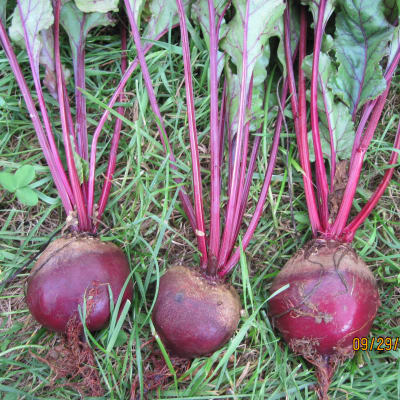
Beta vulgaris (48 days) Open pollinated. From 1911, beloved by commercial growers and home gardeners. Early beet greens and bunching beets. Quick cold soil emergence. Attractive purple tops.
Beta vulgaris (48 days) Open pollinated. From 1911, beloved by commercial growers and home gardeners. Early beet greens and bunching beets. Quick cold soil emergence. Attractive purple tops.
A poignant and galvanizing collection of essays and conversations with respected Black leaders, brilliantly woven together by Leah Penniman of Soul Fire Farm, author of Farming While Black.
Placing emphasis on those with special health and dietary needs, Deppe covers her Golden Rules of Gardening, five essential crops you need to survive and thrive, as well as recipes and seed saving.
Daucus carota (55 days) Open pollinated. Early coreless translucent pinkish-orange blunt-tip roots. Mild sweetness boosted by “carrot perfume.” Upright tops good for bunching.