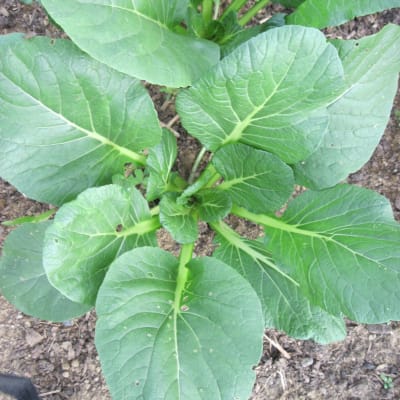
Brassica rapa (narinosa group) (21 days baby, 45 days mature) F-1 hybrid. Mild deep green tender leaves used raw or cooked. Good season extender. Excellent tolerance to heat, cold. Cut-and-come-again.
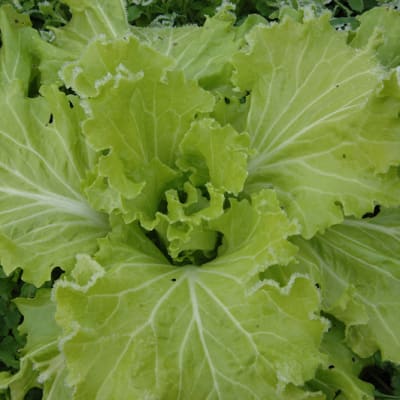
Brassica rapa (chinensis group) (20 days baby, 45 days full size) Open pollinated. Lettucy pale green ruffled leaves. Mild, sweet. Will re-grow after cuttings. Cold hardy.
Brassica juncea (40 days) Open pollinated. Bold purple-blushed delicately serrated mizuna-type leaves with sweet and spicy flavor. For spring and fall plantings. Bolts in heat.
Brassica oleracea (alboglabra group) (45 days) Open pollinated. Dark green large tender leaves with just the right kind of mustardy bite. Prolific yields can be harvested at full size or as baby greens.
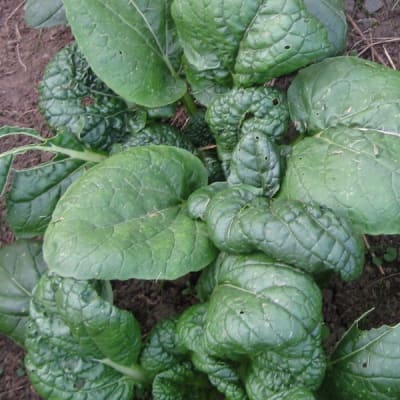
Brassica rapa (45 days full size; 21 baby) Open pollinated. Grows in rosettes like tatsoi, but bigger, more upright with leaves less shiny and more puckered. Harvest young for salad greens or mature for braising.
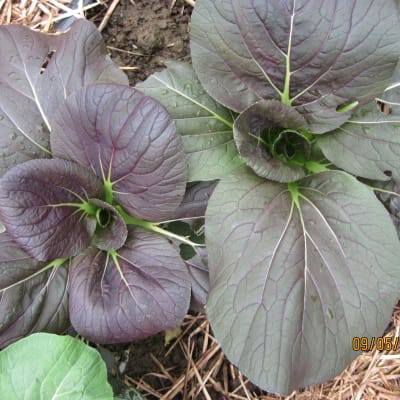
Brassica rapa (chinensis group) (48 days) F-1 hybrid. Most vigorous and darkest-hued strain. Purple leaves with green veins and stems. 8-10" heads at maturity.
Ocimum basilicum (70 days) Open pollinated. Impressive yields from shapely plants well suited to pots or the field. Classic sweet Genovese flavor and a marvelously potent aroma. Resists powdery mildew.
Ocimum basilicum (60 days) Open pollinated. Purple stems and flowers of standard Thai, but displayed upon a strong bushy umbrella form with wide and beautifully ample flowers.
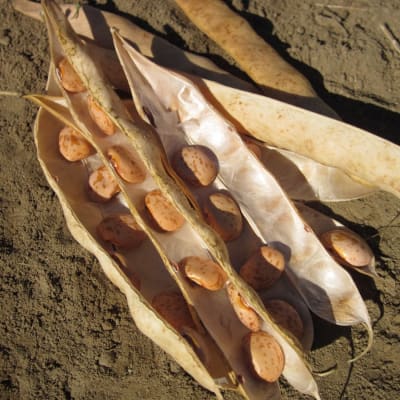
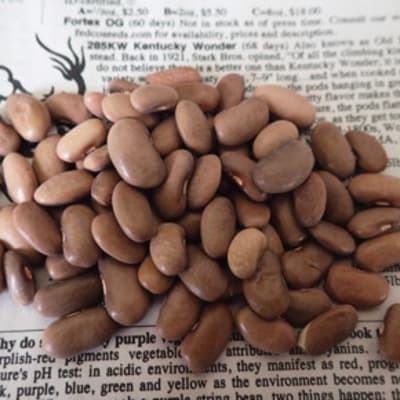
Phaseolus vulgaris (70 days shell, 90 days dry) Open pollinated. Consistently one of the earliest dry pole beans. Chestnut-brown dry beans are wide and flat like limas.
Phaseolus vulgaris (70 days) Open pollinated. Beautiful 6-7" green pods with purple streaking. Tan seed with dark stripes. Also known as Preacher Bean.
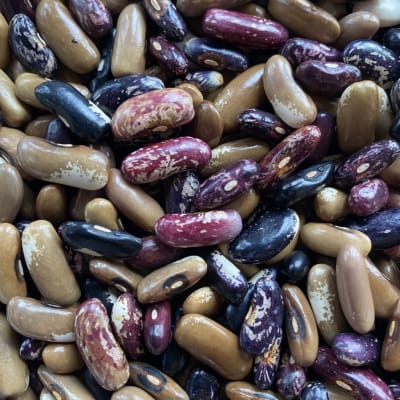
Phaseolus vulgaris (60 days) Open pollinated. Dubbed “weirdo beans,” by the student seed keepers at Troy Howard Middle School, these glorious mutts spin out a ragtag rainbow of patterns, habits and ancestral forms.
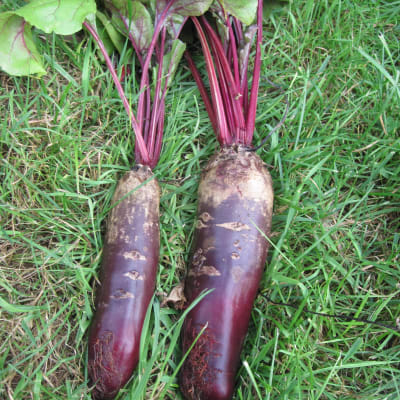
Beta vulgaris (54 days) Open pollinated. Gold beet with Lutz shape, size and mild sweet flavor. Green tops with some golden stem. Golden orange roots with orange shoulders.
The book you need to grow apples organically. This revised and expanded version includes apple-growing basics, as well as the latest research and strategies for successful organic orchards.
A poignant and galvanizing collection of essays and conversations with respected Black leaders, brilliantly woven together by Leah Penniman of Soul Fire Farm, author of Farming While Black.
An approachable botany textbook and herbal field guide to North American plants with colorful illustrations on nearly every page. Regularly updated by the author since its release in 1996.
Filled with clear how-to and how-not-to instructions, along with useful illustrations and laugh-out-loud humor, Turnbull walks through the basics and delves into specifics for more than 150 plants.
A gift to a world disoriented by ecological collapse and haunted by the question of what to do, Eisenstein’s book gets to the heart of the predicament of how to heal our planetary wounds.
A standout among the many no-till books. Frost provides a deep look into the living nature of soil while broadening our practical understanding of how to grow crops in a regenerative way.
With plenty of scientific detail and practical knowledge about a variety of regenerative practices, Phillips reveals how mycorrhizal fungi are deeply embedded in healthy soils and plant physiology.
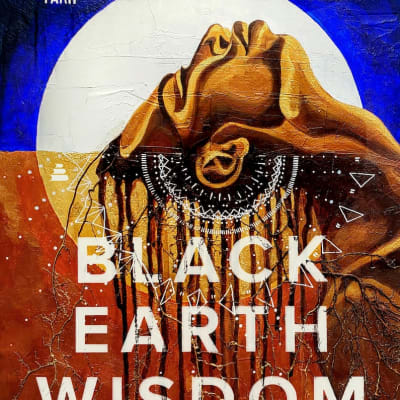
Painted portraits of People working for Earth Justice (including 5 from Maine!), accompanied by concise biographies and framed by essays about earth justice.
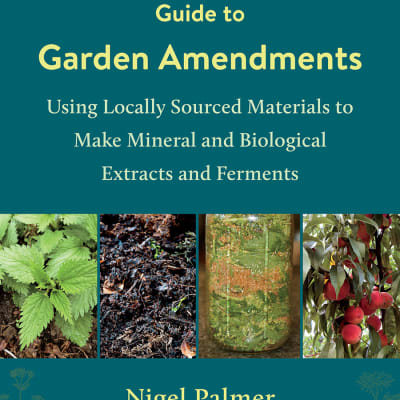
This book dives deep into the chemical and biological workings of your garden soil! Plenty of in-depth science, but also includes 12 soil amendment recipes simple enough for a layperson to follow.
If thoughts of crisp carrots in March set your mouth watering, you'll love this well-illustrated tour of root cellar designs, featuring varietal selections, best storage conditions, and recipes.
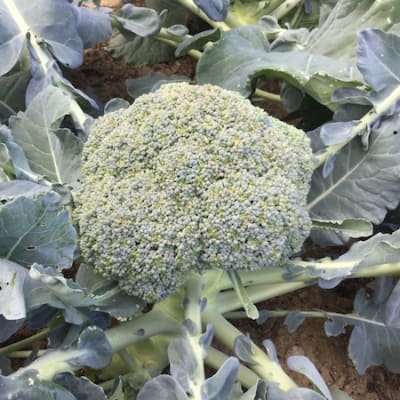
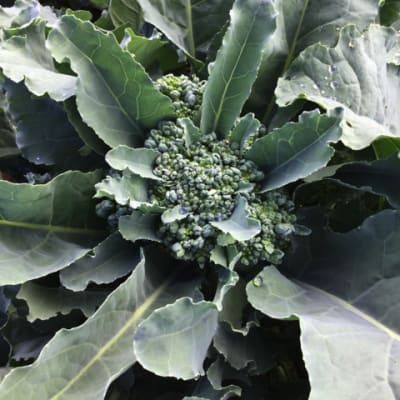
Brassica oleracea (botrytis group) (75 days) F-1 hybrid. Dark green large heads with medium-fine bead. Heat-tolerant in spring and summer, also good for fall harvests.
Brassica oleracea (botrytis group) (62 days) F-1 hybrid. Consistent 6–8" high-domed heads with gorgeous blue-green beads. Resilient variety developed for growers in the Northeast.
Brassica oleracea (botrytis group) (90 days) F-1 hybrid. Late-summer to fall, delivers a dark green semi-domed 6-8" head with medium-small tight bead. Abundant side shoots, good heat tolerance.
Brassica oleracea (botrytis group) (56 days) Open pollinated. Sweet stalks and stems produce succulent small green loose heads with very large beads. Abundant side shoots. Excellent flavor and heat tolerance.