Molasses is a source of important nutrients, including manganese, magnesium, copper, potassium and calcium. Food grade, shelf stable. Plants and beneficial microbes have a sweet tooth, too!
Symphyotrichum novae-angliae 4-6' tall. North American native. Blooms range from blue-purple to lavender-pink with yellow eyes. Attractive to pollinators. Z3.
Penstemon hirsutus 16-30" tall. Shorter than P. digitalis, with fuzzy stems topped by clusters of slender tubular nodding 1" lavender flowers with arching white lips. Z3.
Dicentra formosa 14-20" tall. Heart-shaped blossoms in late spring. With good moisture, the lacy foliage look nice all season. Full to dappled shade. Z3.
Aquilegia canadensis 12-24" tall. This eastern North American native features delicate red-spurred sepals with yellow petaled skirts. Blooms late May to early June. Irresistible to hummingbirds! Z3.
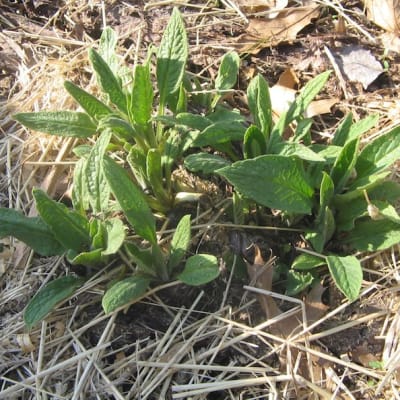
Symphytum × uplandicum 24–48" tall. Great companion plant for orchards. Chop as mulch or add to the compost pile. Rich in silica, nitrogen, magnesium, calcium, potassium and iron. Z3.
Symphytum officinale 24-48" tall. Famous for skin-soothing properties. Good orchard companion plant, but spreads vigorously. Choose site with care. Z3.
Polystichum acrostichoides 18–24" tall. Northeastern native fern with semi-evergreen fronds can be cut for Christmas greenery or left standing for winter interest. Z3.
Geranium sanguinium 4-9" tall. Magenta cups with purple-blue anthers cover tidy deep green lacy foliage. Compact form works well in containers. Considered more drought tolerant than others in the genus. Z3.
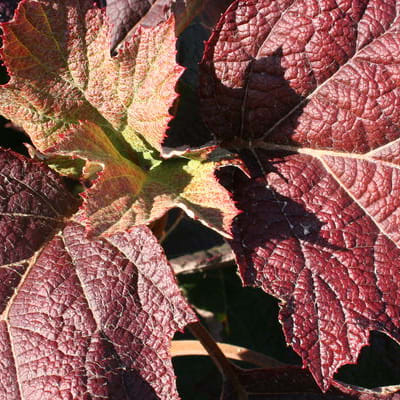
Hydrangea quercifolia 3-4' × 3-5' Giant panicles mature to deep rose and dry to red in fall. Broad lobed leaves. Low maintenance. Species native to N. America. Z5
Hydrangea quercifolia 4-6' × 3-5' Spreading native hydrangea with large oak-like leaves and spiked whitish-pink double flowers July-Aug. Dried flowers turn pink to bronze. Purple, red and orange fall folliage. Z5.
Iris versicolor 30-36" tall. Northeastern native species with gorgeous blue-violet flowers with bold purple veining and a white and lemon-yellow blaze. Early. Z2.
Iris sibirica 32" tall. Bred by legendary Maine hybridizer Currier McEwen in shades of creamy white with accents of yellow-green and buttery yellow. Early midseason to late. Z3.
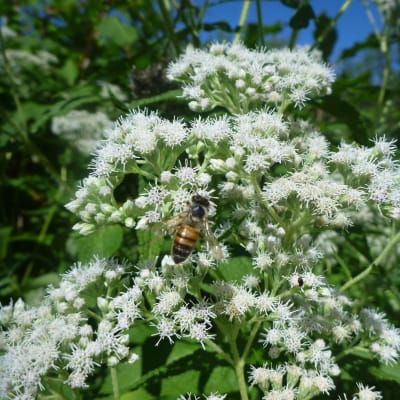
Eutrochium fistulosum 4-6' tall. Dusky-rose flowers are held on beautiful wine-red stems dusted with a light purplish bloom. Adaptable to wet soils. Z4.
Urtica dioica 3-6' tall. Young shoots are high in minerals and leaves are delicious steamed as early spring greens. Cooking removes the sting. Spreads readily; choose your site carefully. Z2.
Baptisia australis 3-4' × same. Vibrant blue lupine-like flowers in early summer. Bushy habit and shrub-like structure once mature. Good for erosion control. Z3.
Amsonia tabernaemontana var. salicifolia 24–36" tall. Fine grassy willow-like foliage. Clusters of powder-blue florets in early summer. Best planted en masse. Z3.
Echinops ritro 3–4' tall. Luminous steel-blue spiky spheres on stiff stems with silvery green leaves. Excellent for fresh or dried arrangements. Blooms mid-to-late summer. Z3.