Color
Flesh Color
Bloom Color
Hardy to Zone
Apples
-
ships in early springOtterson AppleScionwoodunavailable
-
ships in early springPinova AppleScionwoodunavailable
-
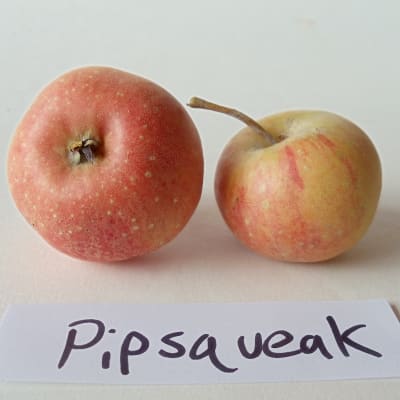
ships in early springPipsqueak AppleScionwoodunavailable
-
ships in early springPitmaston Pineapple AppleScionwoodunavailable
-
ships in early springPomme d’Or AppleScionwoodunavailable
-
ships in early springPomme Grise AppleScionwoodunavailable
-
ships in early springPorter’s Perfection AppleScionwoodunavailable
-
ships in early springPristine AppleScionwoodunavailable
-
ships in early springRedfield AppleScionwoodunavailable
-
ships in early springReinette Simirenko AppleScionwoodsold out
-
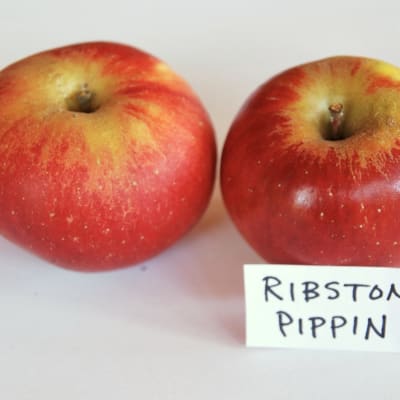
ships in early springRibston Pippin AppleScionwoodunavailable
-
ships in early springnew!Roman Stem AppleScionwoodunavailable
-
ships in early springRoxbury Russet AppleScionwoodunavailable
-
ships in early springScott’s Winter AppleScionwoodunavailable
-
ships in early springSmokehouse AppleScionwoodunavailable
-
ships in early springSpencer AppleScionwoodunavailable
-
ships in early springSpice Sweet AppleScionwoodunavailable
-
ships in early springSt. Edmund’s Russet AppleScionwoodunavailable
-
ships in early springSt. Lawrence AppleScionwoodsold out
-
ships in early springStarkey AppleScionwoodunavailable
-
ships in early springState Fair AppleScionwoodunavailable
-
ships in early springnew!Swaar AppleScionwoodunavailable
-
ships in early springSweet Sixteen AppleScionwoodunavailable
-
ships in early springTolman Sweet AppleScionwoodunavailable
-
ships in early springTrailman AppleScionwoodunavailable
-
ships in early springTranscendent AppleScionwoodunavailable
-
ships in early springTwenty Ounce AppleScionwoodunavailable
-
ships in early springWealthy AppleScionwoodunavailable
-
ships in early springWestfield Seek-No-Further AppleScionwoodunavailable
-
ships in early springWhite Pippin AppleScionwoodunavailable
-
ships in early springWickson AppleScionwoodunavailable
-
ships in early springWilliams Pride AppleScionwoodunavailable
-
ships in early springWindham Russet AppleScionwoodsold out
-
ships in early springWinekist AppleScionwoodunavailable
-
ships in early springWinesap AppleScionwoodunavailable
-
ships in early springWinn Russet AppleScionwoodunavailable
-
ships in early springWinter Banana AppleScionwoodunavailable
-
ships in early springWolf River AppleScionwoodunavailable
-
ships in early springYellow Bellflower AppleScionwoodunavailable
-
ships in early springZabergau Reinette AppleScionwoodunavailable
-
ships in early springGnarled Chapman Cider AppleScionwoodunavailable
-
ships in early springShavel Sharp Cider AppleScionwoodunavailable
-
ships in early springDolgo CrabappleScionwoodunavailable





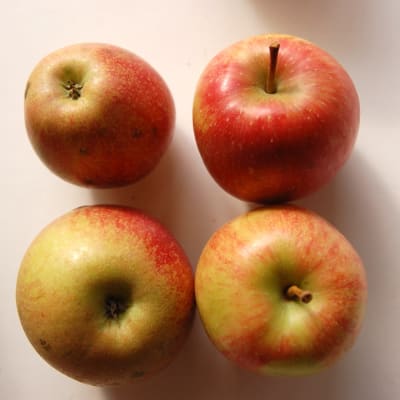


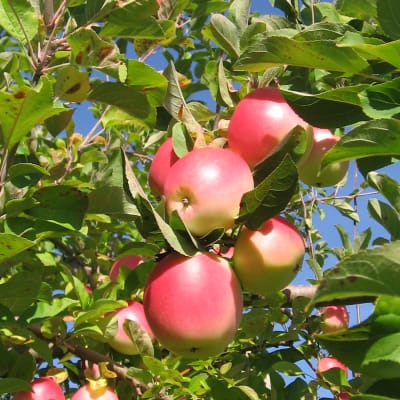

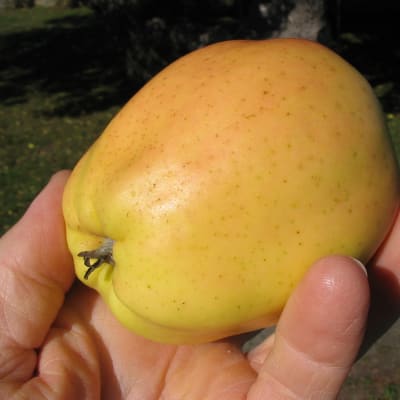


Apples
Choosing the Right Apple
Not sure where to start? Check out our Apple Chart!
Choosing a variety: Not every variety may be right for you. All-purpose apples are just that—they’re good for a bunch of jobs. If you're planting just one tree, perhaps start there. However, if you’re a history buff, consider the historical varieties and maybe plant one that originated nearby. If you don’t eat many apples but love pies, go for the pie apples. If you’re a dessert connoisseur, skip all the others and go for the highly flavored dessert varieties. Some are strictly for cider. Some are great to put out at the camp for summer use. Some are perfect for those who want fall fruit but don’t have a root cellar. Others keep all winter and into the following summer.
- Summer apples ripen in summer, are generally crisp only for a short period, do not store well, and are often best for cooking.
- Fall apples store longer and are useful for a wide variety of purposes.
- Winter apples ripen mid to late fall, store well, and reach their best flavor after weeks, or even months, of storage.
- Dessert apples are delicious eaten raw.
- Crabapples are less than 2" in diameter. Some crabs bear edible or culinary or cider-making fruit. Some have persistent wildlife fruit that hangs on the tree for weeks or even months. Others have hardly any fruit at all. Some are beautiful ornamentals.
- Cider apples are especially suited to making fermented “hard” cider. Some cider apples are also good dessert fruit, but most are not.
- Subacid means tart!
- Russet or russeting is a skin texture (fairly common on apple varieties and on a few pears and potatoes) which looks and feels somewhat like suede.
- Bloom is a naturally occurring dust-like yeast film on the skin of some varieties of apples, plums, grapes and blueberries.
Cider Apples
Each year we offer a different assortment of the best European and American cider varieties, including new wild apple introductions from local fruit explorers and cidermakers. Many of these are NOT for fresh eating. They do however possess qualities that make them very desirable for fermented cider production.
Seedling Apples
These trees were grown from seeds, rather than grafted onto rootstock like the other apple varieties we offer. These standard-sized trees will grow to 20–30'.
Flowering and Culinary Crabapples
A crabapple is any apple with fruit smaller than 2" in diameter. All crabs bear edible fruit, some more favorable for culinary use than others. Some fruits are persistent, hanging on the branch through winter and providing forage for robins, jays and waxwings in the early spring. The flowers, tree form and even the shape of the leaves can vary subtly or profoundly. Most are magnificent in bloom and ornamental year round, especially in winter when the leaves drop and the trees show off their interesting forms.
Growing Apples
- Soil: Adaptable, but prefers well-drained fertile soil.
- Sun: Full.
- Pollination: Requires a second variety for pollination. Any apple or crabapple blooming within a quarter mile will probably do.
- Planting and Pruning: See our planning and planting and pests and diseases pages for more information about soil prep, planting, pruning, and pest control.
- Spacing:
- For trees on Malus domestica (standard) and Bud 118 rootstock, 20–25' apart.
- M111 semi-dwarf, 15–20' apart.
- G890 semi-dwarf, 10–15' apart.
- Bud 9 dwarf, 5–10' apart.