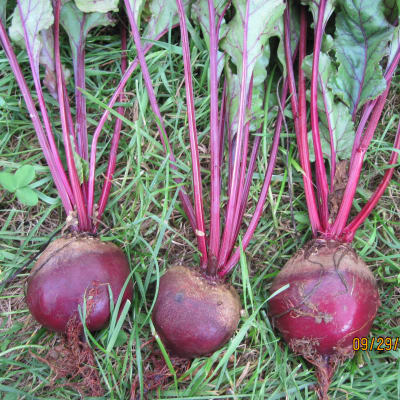
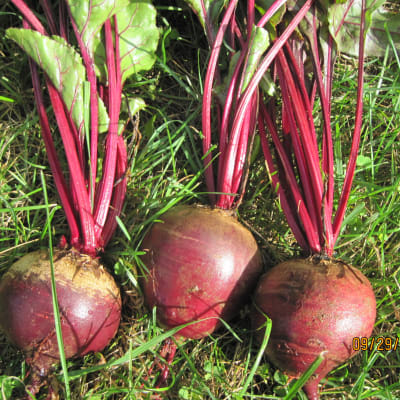
Beta vulgaris (48 days) Open pollinated. From 1911, beloved by commercial growers and home gardeners. Early beet greens and bunching beets. Quick cold soil emergence. Attractive purple tops.
read more
Beta vulgaris (48 days) Open pollinated. From 1911, beloved by commercial growers and home gardeners. Early beet greens and bunching beets. Quick cold soil emergence. Attractive purple tops.
read more
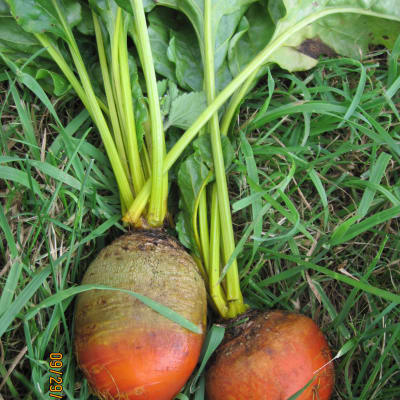
Beta vulgaris (55 days) Open pollinated. Vibrantly golden beets, sweet and delicious. Elongated pyramid shape with no green shoulders. Greens also delicious!
read more
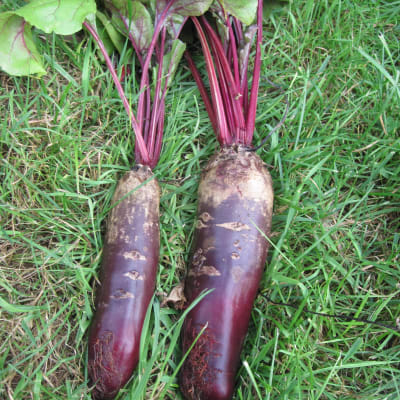
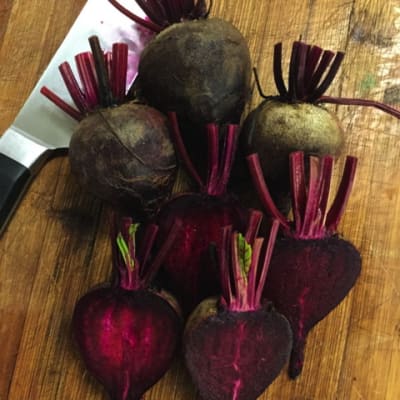
Beta vulgaris (60 days) Open pollinated. Heirloom. Uniform globular smooth red beet. Tender interior with deep red flesh. A favorite of home gardeners and canners.
read more
Beta vulgaris (60 days) Open pollinated. Heirloom, also known as Winter Keeper. The best winter storage beet. Glossy green tops with no purple.
read more
Beta vulgaris (55 days) Open pollinated. Round rose-gold beet. Zoned white-yellow raw interior cooks to light orange. Short light green tops with gold stems and veins.
read more
Beta vulgaris (60 days) Open pollinated. Grown for greens, not roots. Large glossy reddish-purple leaves. Holds quality in summer but best in fall and under winter cover.
read more
Beta vulgaris (60 days) Open pollinated. Grown for greens, not roots. Large glossy reddish-purple leaves. Holds quality in summer but best in fall and under winter cover.
read more
Beta vulgaris (54 days) Open pollinated. Gold beet with Lutz shape, size and mild sweet flavor. Green tops with some golden stem. Golden orange roots with orange shoulders.
read more
Beta vulgaris (53 days baby; 85 days full size) F-1 hybrid. Baby bunching beet or full-size storage beet. Smooth dark red roots with excellent sweet flavor.
read more
Beta vulgaris (54 days) Open pollinated. Gene pool based on 3 heirlooms. Expect 3 colors: pink-red with orange, bright gold and vivid orange. 3.5 x 7-8" tapered form.
read more
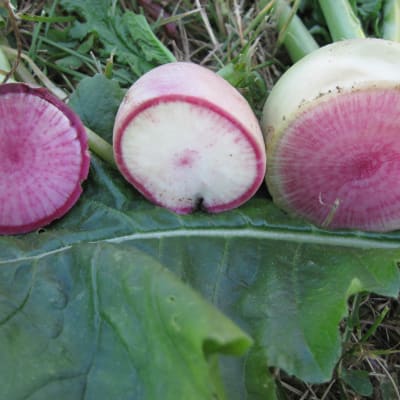
Beta vulgaris (55 days) Open pollinated. Selection from heirloom. Light red exterior; interior rings of pink and white. Green tops. Exceptional sweetness.
read more
Open pollinated. Five or more kinds chosen from among arugulas, beets, chards, chervil, mustards, orachs, purslane, and kales. All organic, exact components vary.
read more
Useful for bunching broccoli, dried flowers, carrots, beets and scallions for market. 1# pkg. These are #64 size, ¼x3½", approximately 425 per pound.
read more
Malus spp. This is a twig for grafting. Summer. Medium-sized fruit with almost solid beet red flesh: a real eye popper! Very good and extremely tart. Good addition to cider and sauce. Z3.
read more
Soluble borate for fluid fertilizers and nutrient sprays. Boron is essential for all stages of tree growth and fruit set. Powder mixes easily in any spray solution.
read more
A 7-packet collection of easy-to-grow vegetable, herb and flower varieties for spring through fall harvest. Includes garden tips for beginners.
read more
Laser-cut birchwood markers. Each tag is engraved with a crop’s name and a charming line drawing to represent it. Set of 20 stakes covers the most common annual garden crops. Made in WA.
read more
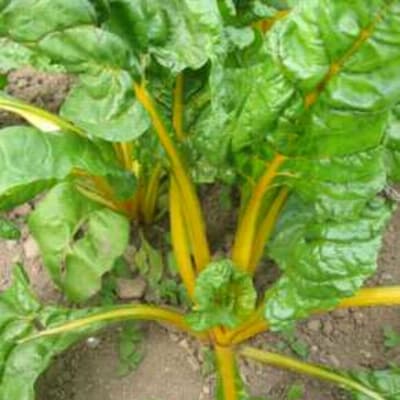
Beta vulgaris (55 days for bunching, 35-40 days baby leaf) Open pollinated. Very dark lush green fully savoyed leaf, brilliant red contrasting stalk. Excellent regrowth for multiple harvests.
read more
Beta vulgaris (55 days for bunching, 35-40 days baby leaf) Open pollinated. Very dark lush green fully savoyed leaf, brilliant red contrasting stalk. Excellent regrowth for multiple harvests.
read more
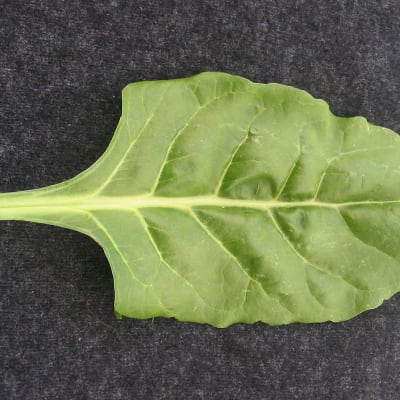
Beta vulgaris (55 days) Open pollinated. Tender smooth leaves, thin stems, spinach-like flavor. Lasts through summer into fall. Withstands some frosts.
read more
Spinacia oleracea (30 days) Open pollinated. Prized as a baby green for its striking magenta-red stems and veins in deep green arrowhead leaves. For the cooler ends of the season only.
read more
Durable UV-resistant mesh floating row cover. Excludes all manner of insect pests, even those as small as flea beetles, thrips and aphids. Also excludes birds and rabbits.
read more
Durable UV-resistant mesh floating row cover. Excludes all manner of insect pests, even those as small as flea beetles, thrips and aphids. Also excludes birds and rabbits.
read more
Ultra-durable UV-resistant mesh row cover. Excludes most pests, even those as small as flea beetles and aphids, but not fine enough to exclude thrips. Also protects against birds, rabbits, even deer.
read more
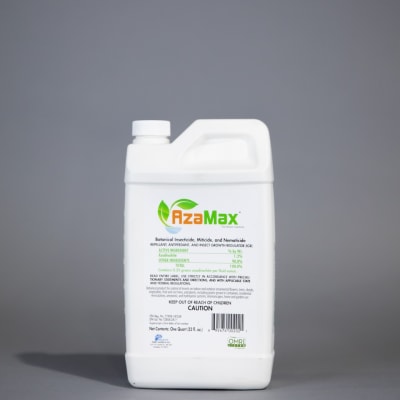
Botanical Insecticide/Miticide/Nematicide with azadirachtins A+B. Offers rapid knockdown of spider mites and cucumber beetles: similar to PyGanic, but with a lower price tag and less toxic to bees.
read more
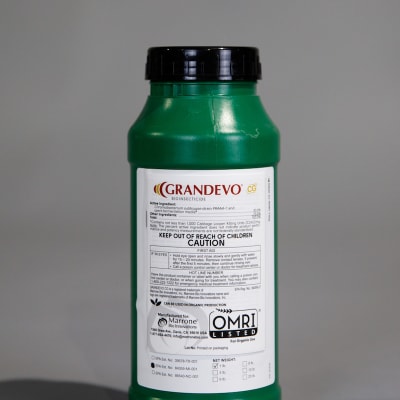
Reduces plant damage from sucking and chewing insects including Colorado potato beetle larve. Faster-acting than most biological products: stops feeding activity within one minute of exposure.
read more
Spinosad is selectively active on a broad range of insects including caterpillars, flies, and some beetles, as well as sawflies, wasps, and, alas, bees. For home use only. Please apply with caution.
read more
Can be used to monitor the presence and level of insect pests, or as a control measure (on small plantings). For aphids, cucumber beetles, fungus gnats, corn root worms or whiteflies.
read more
NPK: 2-2-2. 16% Chitin. Nourishes chitin-feeding bacteria and fungi, which in turn devour gnat eggs and root-feeding nematodes. Also fortifies plants’ cell walls, and fosters healthy blooms.
read more
Brassica rapa (pekinensis group) (35 days) Open pollinated. Loose round chartreuse leaves, flat white stems, and blossoms, all edible. Can be cut small for mesclun. Fair bolt tolerance.
read more
Brassica juncea (20 days baby, 40 days mature) Open pollinated. Light golden-green leaves are curled and lacy, adds lift to salad mixes. Mustardy zing. Resists bolting in heat.
read more
Ocimum basilicum (55 days) Open pollinated. Bright, lemony and fragrant. Upright, mounded plants doesn’t get leggy. Delightful in salads, teas, desserts, marinades, lemonade and more.
read more
Brassica oleracea (botrytis group) (62 days) F-1 hybrid. Consistent 6–8" high-domed heads with gorgeous blue-green beads. Resilient variety developed for growers in the Northeast.
read more
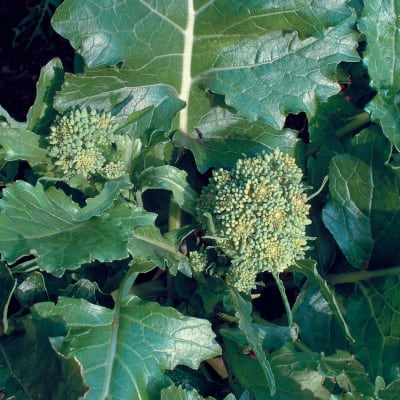
Brassica rapa (ruvo group) (40 days) Open pollinated. A non-heading version of broccoli with a more pungent flavor. Harvest young stems, leaves and small flower buds to steam, stir-fry or add to salads.
read more
Bunias orientalis Open pollinated. Perennial, Zones 4-8. Tender spicy mustard greens and florets for stir-frying. Drought-tolerant with a deep taproot.
read more
Brassica oleracea (acephala group) (60 days) F-1 hybrid. Tall plants with ruffled red leaves; color intensifies in cool weather. Very cold hardy ornamental edible.
read more
Brassica oleracea (acephala group) (62 days) Open pollinated. Italian heirloom also known as Lacinato and Tuscan Black. Very dark green wrinkled, pebbled sturdy leaves extend like palm fronds from stalk.
read more