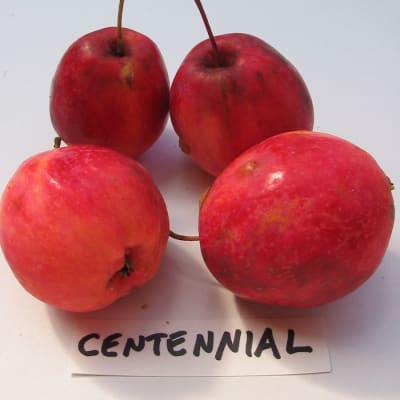
Malus spp.This is a twig for grafting. Fall, red-blushed skin. Large, crisp and juicy apple for dessert or culinary use. Keeps until about mid-December. Blooms midseason. Z4.
Malus spp.This is a twig for grafting. Late summer, purple-blushed red skin. Small fresh-eating crab about the size of a small plum. Tender crisp juicy flesh. Not sweet. Good in sauce. Highly scab resistant. Z2.
Malus spp.This is a twig for grafting. Fall-winter, rich yellow skin, yellow flesh. One of the most popular apples in the world. All-purpose apple great for fresh eating, baking and sauce. Z4.
Malus spp. Late summer-fall, bluish red skin, yellowish flesh. Medium size, crisp white flesh. All-purpose. Keeps till late fall. Scab-immune. Annual bearer, begins at early age. Z4.
Malus spp.This is a twig for grafting. Late summer-fall, bluish red skin, yellowish flesh. Medium size, crisp white flesh. All-purpose. Keeps till late fall. Scab-immune. Annual bearer, begins at early age. Z4.
Malus spp. Multi-colored skin. Be the proud keeper of a sister tree to one of many rare varieties planted at the Maine Heritage Orchard. $30 from the sale supports the project.
Brassica rapa (japonica group) (40 days) Open pollinated. Japanese heirloom. Deeply cut fringed leaves on slender white stalks. For microgreens, cut-and-come-again, succession plantings and baby leaf production.
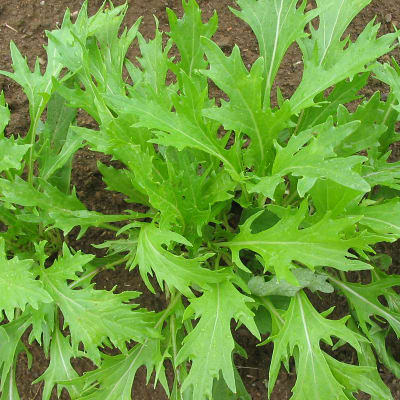
Brassica juncea (40 days) Open pollinated. Bold purple-blushed delicately serrated mizuna-type leaves with sweet and spicy flavor. For spring and fall plantings. Bolts in heat.
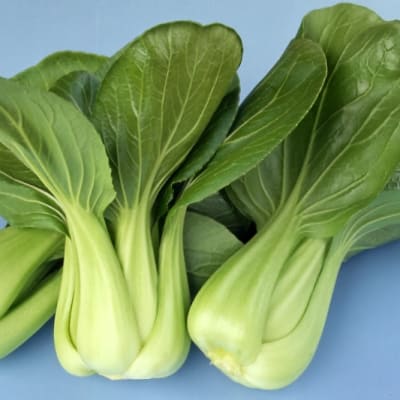
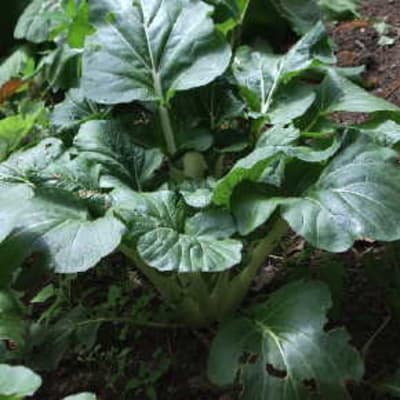
Brassica rapa (chinensis group) (50 days) F-1 hybrid. Uniform pac choi heads with dark green leaves and thick succulent basal stems. For summer and fall crops.
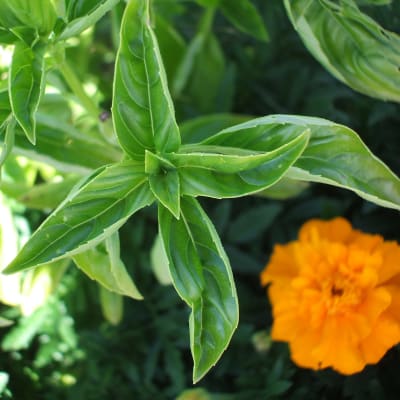
Ocimum basilicum (70 days) Open pollinated. The choice of many connoisseurs for making pesto. Leaves are slightly smaller and finer than Sweet Basil with more aroma and potency.
Ocimum basilicum (70 days) Open pollinated. The choice of many connoisseurs for making pesto. Leaves are slightly smaller and finer than Sweet Basil with more aroma and potency.
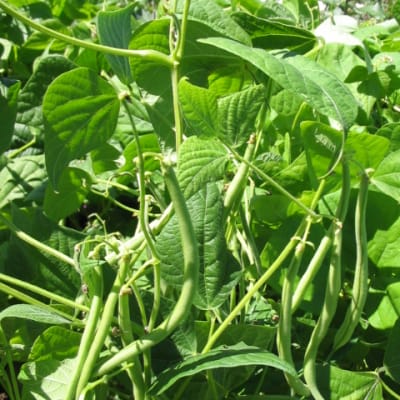
Phaseolus vulgaris (85 days) Open pollinated. Dense foliage produces medium runners, lavender flowers and good yields of thin delicate pods each containing 5-6 lustrous black seeds.
Beta vulgaris (55 days) Open pollinated. Round rose-gold beet. Zoned white-yellow raw interior cooks to light orange. Short light green tops with gold stems and veins.
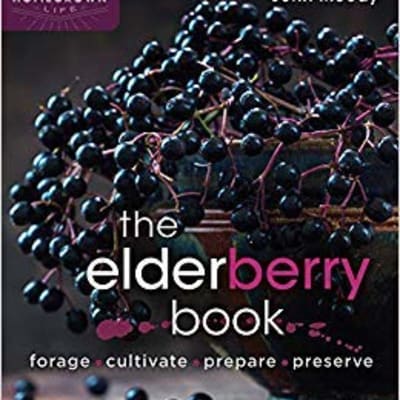
Highlights reasons to plant an elderberry bush and how to do it successfully. He walks us through a history of the plant, its cultivation and propagation, and its many uses in food, tools and toys.
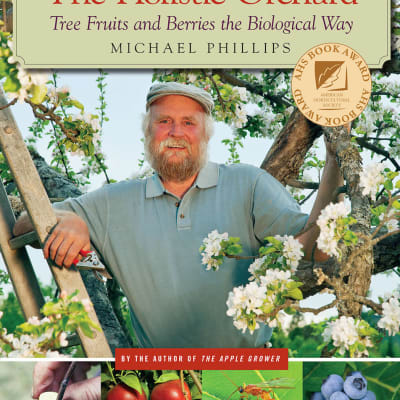
Covers a wide range of crops, while addressing orchard design, dynamics and horticulture in unparalleled detail. Pruning, planting, companion planting, spraying, not spraying—it's all here!
Placing emphasis on those with special health and dietary needs, Deppe covers her Golden Rules of Gardening, five essential crops you need to survive and thrive, as well as recipes and seed saving.
If you are a fan of the Eyewitness educational books from the ’90s, this one is for you. Covers 45 insect and spider species, with photos of every life stage! Includes an easy comparison guide.
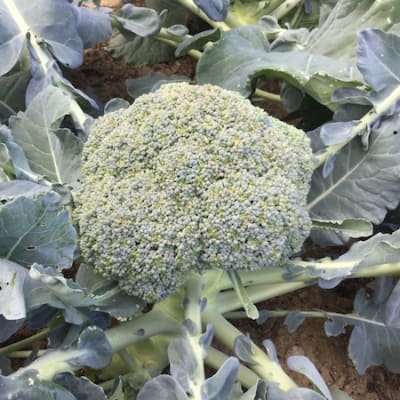
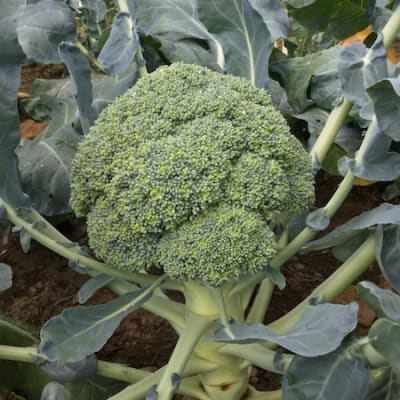
Brassica oleracea (botrytis group) (75 days) F-1 hybrid. Dark green large heads with medium-fine bead. Heat-tolerant in spring and summer, also good for fall harvests.
Brassica oleracea (botrytis group) (62 days) F-1 hybrid. Consistent 6–8" high-domed heads with gorgeous blue-green beads. Resilient variety developed for growers in the Northeast.
Brassica oleracea (botrytis group) (91 days) F-1 hybrid. Large plants set uniform medium-green 8" domed heads with medium-tight bead. Very few side shoots. Reliable production even under stress.
Brassica oleracea (botrytis group) (94 days) F-1 hybrid. Large deep green heads are finely beaded, high domed with no lobing. Amazing resilience and crazy-weather tolerance.
Brassica oleracea (botrytis group) (95 days) Open pollinated. Handsome uniform dark-green 5-6" heads. Abundant side shoots over a long harvest window. Ideal home-garden variety for the fall.
Brassica oleracea (botrytis group) (98 days) F-1 hybrid. Reliable production of 4-5 lb heads avg 8" across. Tender and sweet with brassica zing. Enjoy raw or cooked. For fall production only.
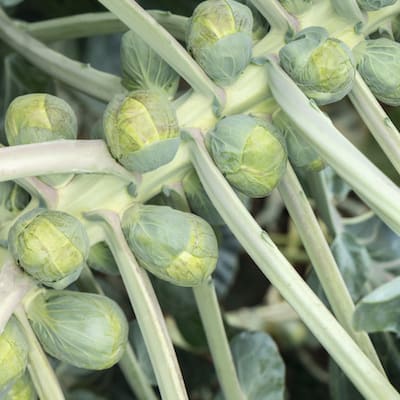
Brassica oleracea (gemmifera group) (105 days) F-1 hybrid. Tall-stalked Divino’s plentiful very tight half-dollar-sized sprouts are dark green. Open branch architecture makes for low presence of aphids.
Brassica oleracea (gemmifera group) (105 days) F-1 hybrid. Tall-stalked Divino’s plentiful very tight half-dollar-sized sprouts are dark green. Open branch architecture makes for low presence of aphids.
Brassica oleracea (gemmifera group) (120 days) F-1 hybrid. 1" tightly wrapped sprouts are widely spaced for ease of harvest and good air circulation. Vigorous and sturdy plants showed little aphid damage.
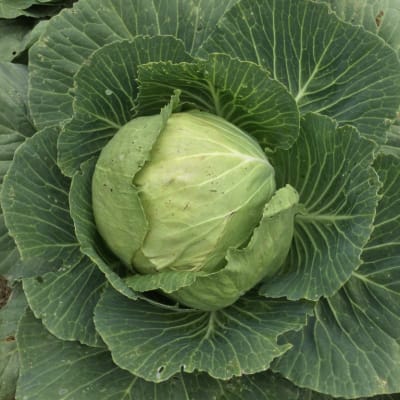
Brassica oleracea (capitata group) (110 days) F-1 hybrid. Flat-topped 5-7 lb green heads. Tender, sweet, juicy; ideal for rolls, wraps and krauts. Not for storage. Holds well in the field.
Brassica oleracea (capitata group) (105 days) F-1 hybrid. Dense 3-6 lb red heads with savoyed pinkish-purple outer leaves and green interior. Can be overwintered.
Daucus carota (55 days) Open pollinated. Early coreless translucent pinkish-orange blunt-tip roots. Mild sweetness boosted by “carrot perfume.” Upright tops good for bunching.
Daucus carota (55 days) Open pollinated. Early coreless translucent pinkish-orange blunt-tip roots. Mild sweetness boosted by “carrot perfume.” Upright tops good for bunching.
Brassica oleracea (botrytis group) (68 days) F-1 hybrid. Pastel orange uniform heads of dense curds on sturdy plants. Highly adaptable; consistently performs well in a range of conditions, including heat stress.