Trifolium pratense Short-lived perennial legume. Up to 24". Vigorous and high-yielding clover suitable for pastures, underseeding and cover-cropping. More drought-tolerant than white clover.
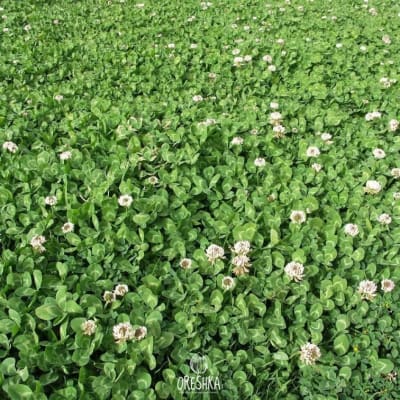
Trifolium repens Perennial legume. Up to 9". Small-leafed perennial clover establishes quickly and withstands traffic and close mowing. Our favorite clover for organic pasture.
Cichorium intybus Perennial broadleaf, up to 18". Very high digestibility. Protein levels up to 50% higher than alfalfa. Stands may live 5 years or longer, but it’s also valuable for pasture or green chop.
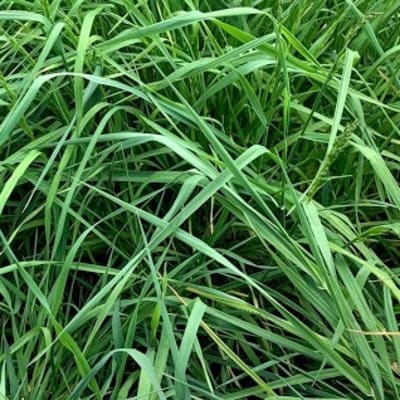
Lolium arundinaceum Perennial grass. Long-lived, versatile and low-maintenance grass good for pasture, lawn, or hay. Deep and extensive root system protects against erosion. Tolerates most adverse conditions.
Phleum pratense Perennial grass. A popular perennial hay species that produces good yields, resists lodging and is easily cut and cured. Very winter hardy. Does not tolerate heat or drought.
x Triticosecale Wittm. ex A. Camus [Secale × Triticum] Triticale is a hybrid of wheat and rye, and boasts many advantages over plain winter rye. This variety was selected for winter hardiness and consistently high yields of both forage and seed yields.
Perennial pasture mix of grasses and clover, well suited to Maine and other areas with similarly variable weather and temperatures. Provides season-long regrowth and good grazing.
A superior soil-building cover crop mix. The oats come up first and are pulled down by the peas, which are then pulled down by the smothering vetch. Weeds don’t stand a chance in that jungle!
Secale cereale Winter annual grass. Extremely frost hardy, adaptable and competitive. For cover crop or grain. Deep extensive roots help prevent compaction and improve soil tilth. Vigorous spring regrowth.
With 26 full-page illustrations (including covers), our exclusive coloring book features some mash-ups you might recall from past catalogs, and some brand-new ones, for an all-ages coloring fun fest.
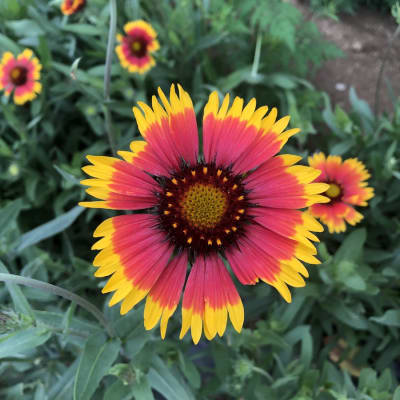
Gaillardia aristata (90 days) Open pollinated. Sun-loving native wildflower of the American Southwest is a favorite of butterflies and of gardeners who make bouquets. Perennial.
Oryza sativa (115 days) Open pollinated. Upland short-grain hardy Russian variety adapted to dry-land production. Can withstand a light frost. May be direct seeded in warmer regions.
Oryza sativa (115 days) Open pollinated. Upland variety from Japan. This great-tasting short-grained brown rice is much easier to hull and process with human-powered equipment than other varieties. Does not require flooding.
Oryza sativa (120 days) Open pollinated. Short grain light brown rice, can work in Zone 5b in paddies from direct sowing but does best from transplants.
Oryza sativa (120 days) Open pollinated. Lowland variety from northern Japan. Pearly white short-grain sweet-sticky rice is great for mochi and fries well.
Valerianella locusta (45 days) Open pollinated. Very cold-hardy small-seeded small-leaved strain of this winter staple salad green. Can be overwintered.
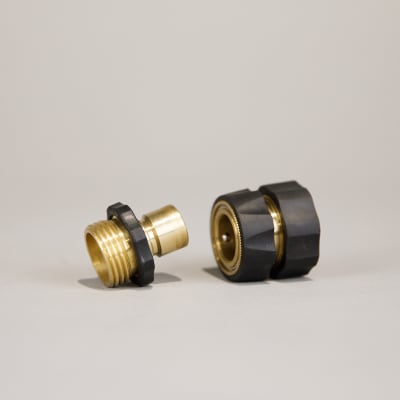
A lifesaver for anyone who changes or moves hoses on a regular basis. Fittings simply snap together for a watertight seal. Allows you to switch hoses without even turning the water off!
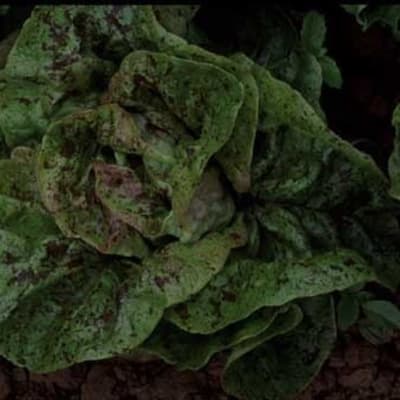
Lactuca sativa (55 days) Open pollinated. Heirloom. Very attractive bibb lettuce has apple-green leaves splashed with maroon-red flecks. Selected for resistance to tip burn.
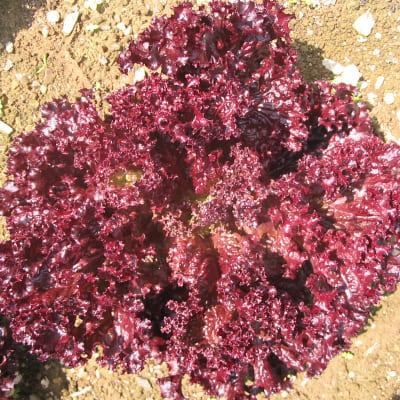
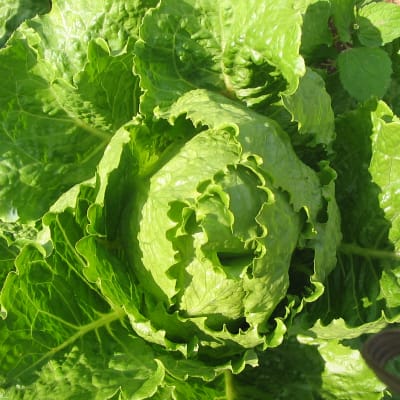
Lactuca sativa (60 days) Open pollinated. Slightly ruffled green leaf lettuce is tinged bronze at the tips. Extreme cold tolerance. Fall, winter and spring production.
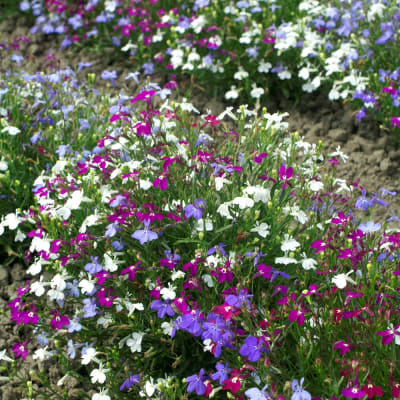
Lobelia pendula (60 days) Open pollinated. Very uniform tiny lush flowers bloom continuously from early summer to early fall to grace your garden, window boxes and hanging baskets. Annual.
Cucumis melo Green flesh. (80 days) F-1 hybrid. Green flesh. Round uniform 1.5-3 lb fruit with light but full net. Skin blushes yellow as fruit ripens. Harvest at full slip.
Urtica dioica Open pollinated. Perennial. Grows 3-6'. Young shoots and leaves are delicious steamed as spring greens, very high in minerals and protein.
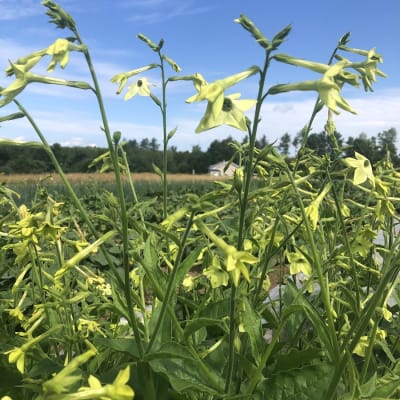
Nicotiana sylvestris Open pollinated. Clusters of drooping tubular white blossoms that perfume the garden day and night. Full powerful scent. 4–5' tall.
Allium cepa Deep red skin. (107 days) F-1 hybrid. 16-18 oz glossy deep red globes similar to Redwing, but it sizes more consistently regardless of dry or wet conditions.
Coix lacryma-jobi (100 days) Open pollinated. Sets pendulous sprays of globular pearly purple-grey seeds, which may be strung as beads for necklaces. Spiky 2–3' stalks good for planters or as filler in dried fall arrangements.
Withania somnifera Open pollinated. Upright shrub 2' with green-to-yellow flowers ripening to red berries. Roots are dried at the end of the growing season and used internally powdered or tinctured.
Arctostaphylos uva-ursi 6-10". Low-growing evergreen groundcover. Can sprawl to 15'. Pinkish-white flowers in spring. Small red berries persist into winter. Self-pollinating. Z2.
Ceanothus americanus Small compact shrub fixes nitrogen and attracts pollinators. Leaves historically used as tea and medicine. Grows in poor soils. Native to N. America. Z4.