Mycorrhizae form beneficial relationships with the roots of most plant species: they boost plant growth by improving the roots’ ability to take up nutrients, water and oxygen.
A poignant and galvanizing collection of essays and conversations with respected Black leaders, brilliantly woven together by Leah Penniman of Soul Fire Farm, author of Farming While Black.
An approachable botany textbook and herbal field guide to North American plants with colorful illustrations on nearly every page. Regularly updated by the author since its release in 1996.
Filled with clear how-to and how-not-to instructions, along with useful illustrations and laugh-out-loud humor, Turnbull walks through the basics and delves into specifics for more than 150 plants.
A soil science book for everyone! Filled with farmer anecdotes, insightful reference charts, and illustrations, this book is both engrossing and practical for anyone who works with soil.
The definitive guide to growing garlic. He covers varietal differences and history, and provides in-depth cultural information on growing, harvesting, storing and marketing garlic.
A standout among the many no-till books. Frost provides a deep look into the living nature of soil while broadening our practical understanding of how to grow crops in a regenerative way.
With plenty of scientific detail and practical knowledge about a variety of regenerative practices, Phillips reveals how mycorrhizal fungi are deeply embedded in healthy soils and plant physiology.
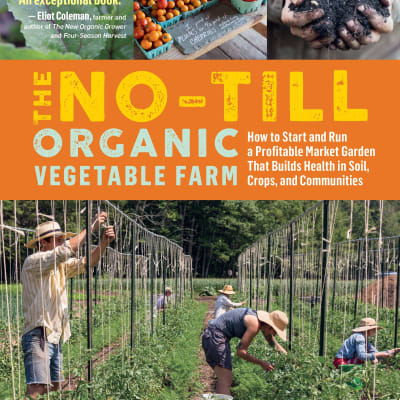
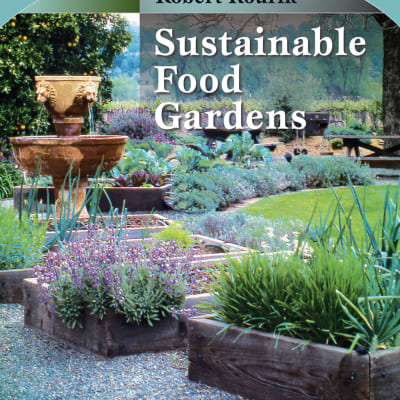
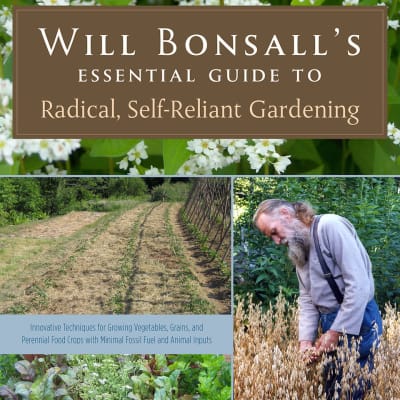
A holistic approach emphasizing efficiency and solvency, but also quality of life. Breathe life into your growing endeavors and make your garden a more joyful place for all.
Lorimer profiles 235 native plants, describing their growing needs and habits, wildlife value and native habitat, with gorgeous color photos to emphasize the unique beauty of each species.
Painted portraits of People working for Earth Justice (including 5 from Maine!), accompanied by concise biographies and framed by essays about earth justice.
First published in 1973, this comprehensive guide to canning, freezing and drying the garden’s bounty has been updated and offers useful recipes and trustworthy food-safety protocols.
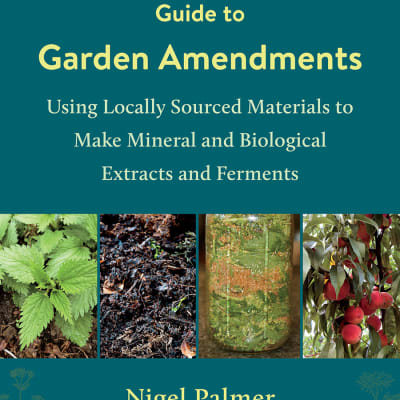
This book dives deep into the chemical and biological workings of your garden soil! Plenty of in-depth science, but also includes 12 soil amendment recipes simple enough for a layperson to follow.
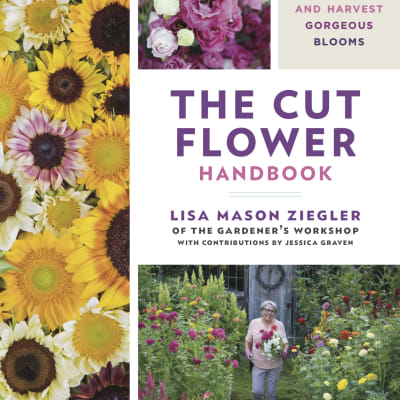
Placing emphasis on those with special health and dietary needs, Deppe covers her Golden Rules of Gardening, five essential crops you need to survive and thrive, as well as recipes and seed saving.
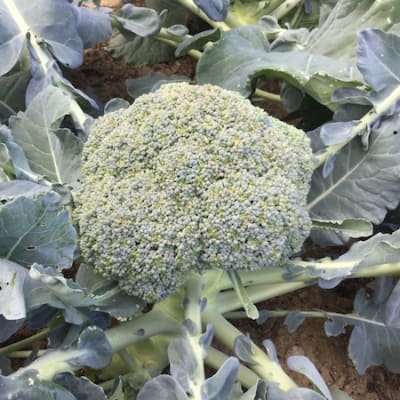
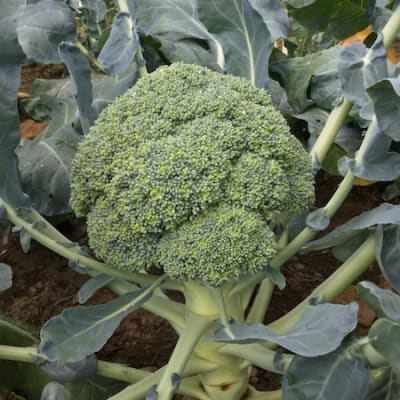
Brassica oleracea (botrytis group) (75 days) F-1 hybrid. Dark green large heads with medium-fine bead. Heat-tolerant in spring and summer, also good for fall harvests.
Brassica oleracea (botrytis group) (85 days) F-1 hybrid. Consistent yields of exceptionally tender, high-quality blue-green domed 8” heads with rather large beads. Tolerates some heat.
Brassica oleracea (botrytis group) (90 days) F-1 hybrid. Late-summer to fall, delivers a dark green semi-domed 6-8" head with medium-small tight bead. Abundant side shoots, good heat tolerance.
Brassica oleracea (botrytis group) (91 days) F-1 hybrid. Large plants set uniform medium-green 8" domed heads with medium-tight bead. Very few side shoots. Reliable production even under stress.
Brassica oleracea (botrytis group) (94 days) F-1 hybrid. Large deep green heads are finely beaded, high domed with no lobing. Amazing resilience and crazy-weather tolerance.
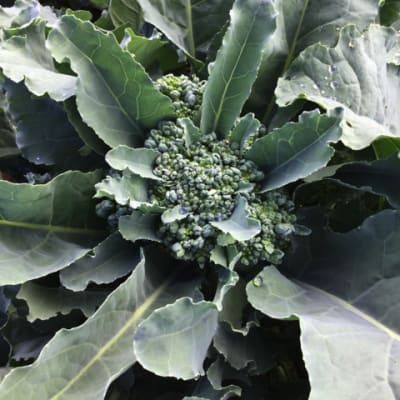
Brassica oleracea (botrytis group) (56 days) Open pollinated. Sweet stalks and stems produce succulent small green loose heads with very large beads. Abundant side shoots. Excellent flavor and heat tolerance.
Brassica oleracea (gemmifera group) (120 days) F-1 hybrid. 1" tightly wrapped sprouts are widely spaced for ease of harvest and good air circulation. Vigorous and sturdy plants showed little aphid damage.
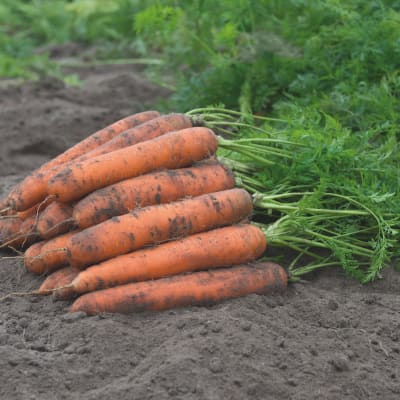
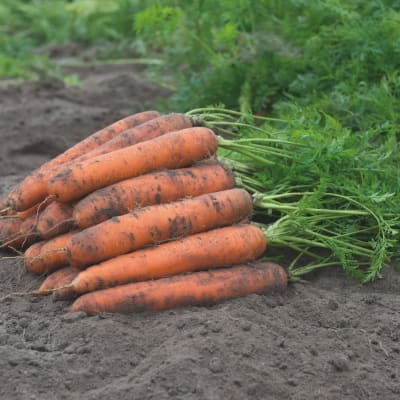
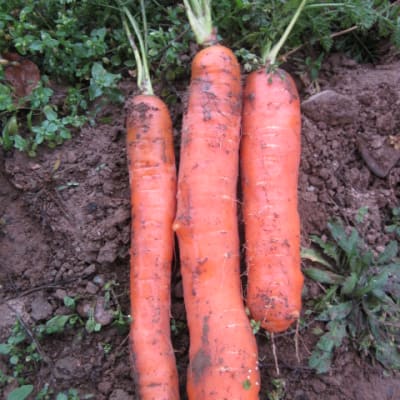
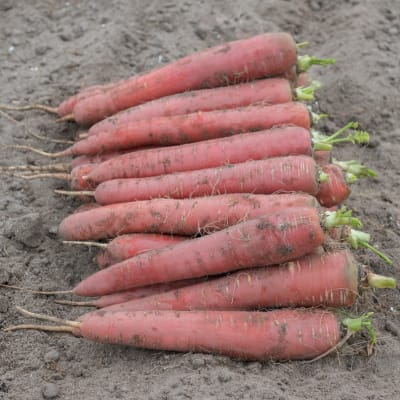
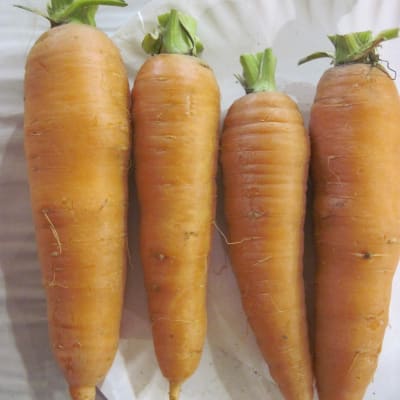
Daucus carota (55 days) Open pollinated. Early coreless translucent pinkish-orange blunt-tip roots. Mild sweetness boosted by “carrot perfume.” Upright tops good for bunching.
Daucus carota (68 days) Open pollinated. Uniform cylindrical 7" roots with unusually good interior color, crisp texture and fine flavor. Holds well; an excellent keeper too.
Daucus carota (55 days) F-1 hybrid. Blunt Nantes-type 7-8" orange carrot with strong green tops and a medium core. Snappy, sweet and juicy. Use fresh or store.
Brassica oleracea (botrytis group) (68 days) F-1 hybrid. Pastel orange uniform heads of dense curds on sturdy plants. Highly adaptable; consistently performs well in a range of conditions, including heat stress.
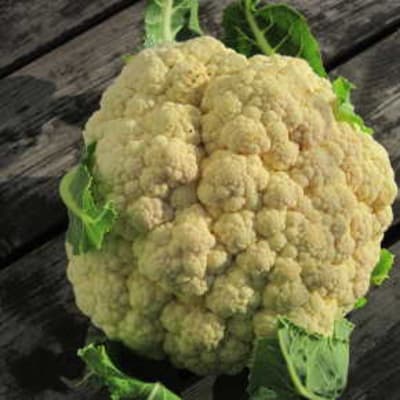
Brassica oleracea (botrytis group) (93 days) F-1 hybrid. Very large upright plants set dense 2-4 lb attractive white domed heads. Tender with very good flavor.