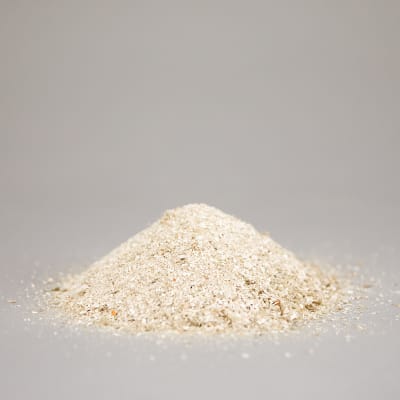
Spread this blend of granite, zeolites, gypsum, micronutrients and humates in that fall, and it will improve soil structure, remineralize, and enhance nutrient availability for the next spring!
NPK: 3.4-2.2-3.5. An excellent all-purpose fertilizer for those who prefer to avoid animal products. Great for flower bulbs because it won’t attract critters.
NPK: 4-4-0 avg. 18% Ca avg. A macronutrient-rich byproduct of crab processing. Will help you grow massive specimens of field-grown cannabis. Improves lodging resistance and reduces branch breakage.
NPK: 5-4-3 (with 9% Ca). Composted and processed poultry litter provides a good balance of major plant nutrients and other essential elements. Pasteurized to neutralize weed seeds and pathogens.
Malus spp.This is a twig for grafting. Fall, bronze-blushed yellow skin, yellowish flesh. Tender mild juicy aromatic fruit for fresh eating and cooking. Productive and annual bearing. Z4.
Malus spp. Late fall, green skin. Full bittersweet cider apple. Low acidity and a nice astringency. If you’ve been looking for late-ripening bittersweets, try this one. Z4.
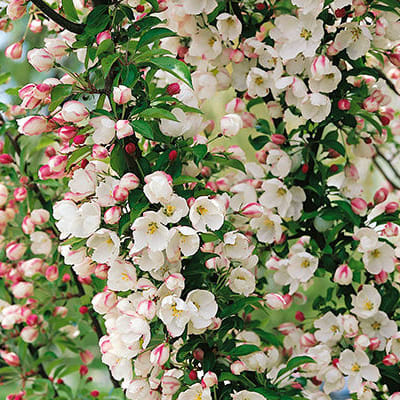
Malus spp. Orange-red skin. Red buds open to red-tinged white textured single blooms. An excellent crab for persistent fruit and disease resistance. Very distinctive upright form. Z4.
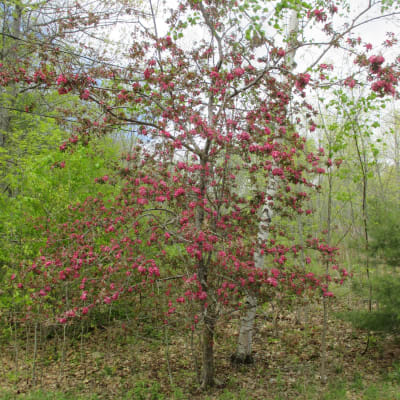
Malus spp. Maroon-blushed green skin. Ornamental flowering crabapple with beautiful rose-like blossoms and bitter green fruit. Very high in tannin. Great for cidermakers! Blooms late. Z4.
Ocimum basilicum minimum (70 days) Open pollinated. 8" and maintains a compact mound of light green leaves and white flowers. Its leaves are small, thin and strongly scented.
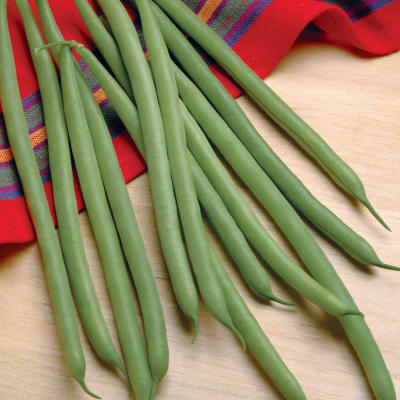
Phaseolus vulgaris (56 days) Open pollinated. High yields of tasty 5–7" straight slender round dark green beans. Holds quality well both on the plant and after harvest.
Cicer arietinum (105 days dry) Open pollinated. A garbanzo developed to be tolerant of cold soils and light frosts. 2' plants with ornamental flowers bear abundant two-seeded pods with black medium-sized beans.
Beta vulgaris (55 days) Open pollinated. Round rose-gold beet. Zoned white-yellow raw interior cooks to light orange. Short light green tops with gold stems and veins.
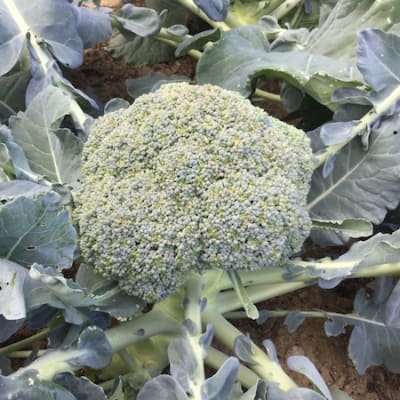
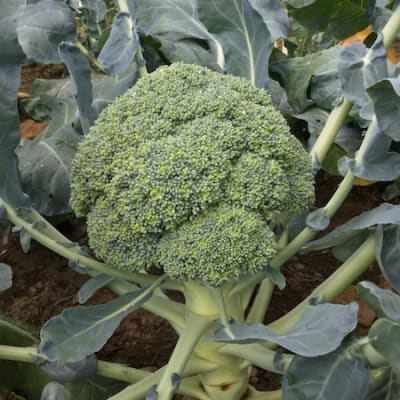
Brassica oleracea (botrytis group) (75 days) F-1 hybrid. Dark green large heads with medium-fine bead. Heat-tolerant in spring and summer, also good for fall harvests.
Brassica oleracea (botrytis group) (62 days) F-1 hybrid. Consistent 6–8" high-domed heads with gorgeous blue-green beads. Resilient variety developed for growers in the Northeast.
Brassica oleracea (botrytis group) (72 days) F-1 hybrid. Large broad purple heads, or wait for open floret stick-type stems. Easy to harvest from tall bushy plants.
Brassica oleracea (botrytis group) (94 days) F-1 hybrid. Large deep green heads are finely beaded, high domed with no lobing. Amazing resilience and crazy-weather tolerance.
Brassica oleracea (botrytis group) (98 days) F-1 hybrid. Reliable production of 4-5 lb heads avg 8" across. Tender and sweet with brassica zing. Enjoy raw or cooked. For fall production only.
Daucus carota (55 days) Open pollinated. Early coreless translucent pinkish-orange blunt-tip roots. Mild sweetness boosted by “carrot perfume.” Upright tops good for bunching.
Cosmos bipinnatus (75-90 days) Open pollinated. Delicate cosmos in rich hues ranging from burgundy to deep amber rose. The 2¼–3¼" flowers contrast nicely with bright green foliage. 3–4' tall.
Vaccinium macrocarpon White skin. Albino berries with red blush. Selected from a seedling found growing in a bog on an island off the coast of Maine. Lasts up to 6 months in cold storage. Z2.
Cucumis sativus (60 days) Open pollinated. Specialty Indian cuke. 4-5" fruit turn from cream to golden yellow to russet brown. All stages edible and very crisp. Vigorous.
Hordeum vulgare Open pollinated. An historic 6-rowed barley selected by Luther Burbank from California hulless barley. In his final seed catalog he called it “one of [his] greatest grain creations.”
Pennisetum glaucum (120 days) Open pollinated. Ornamental grass with deep-purple foliage and large purple seed spikes. Popular in arrangements. 4-5' tall.
Avena nuda (100 days) Open pollinated. Grain that’s easier to thresh than most other oats, though it still has a small hull that must be removed. A good variety to re-introduce growing grain on home ground.
Oryza sativa (115 days) Open pollinated. Upland variety from Japan. This great-tasting short-grained brown rice is much easier to hull and process with human-powered equipment than other varieties. Does not require flooding.
Amaranthus tricolor (120 days) Open pollinated. Very red Jamaican traditional green for Callaloo stew. Beautiful tricolor blaze makes it ornamental as well.
Triticum aestivum Open pollinated. Extremely cold hardy hard red wheat good for small spaces and well adapted to New England. Flour has great flavor and texture, and sturdy plants make great straw.
Eruca sativa (21 days baby, 35 days mature) Open pollinated. Profuse basal growth. Dense clusters of tasty lush leaves. Grows well in hot and cool seasons.
Eruca sativa (44 days) Open pollinated. Cross of two European heirlooms and selected for vigor and cold hardiness. Turns purple when it freezes. Full of flavor.
Diplotaxis erucoides (21 days baby, 50 days mature) Open pollinated. Wild Arugula. Deeply lobed dark green narrow leaves. Excellent for cold-season salads, but also shows good summer endurance.
Beta vulgaris (55 days for bunching, 35-40 days baby leaf) Open pollinated. Very dark lush green fully savoyed leaf, brilliant red contrasting stalk. Excellent regrowth for multiple harvests.
Beta vulgaris (55 days for bunching, 35-40 days baby leaf) Open pollinated. Very dark lush green fully savoyed leaf, brilliant red contrasting stalk. Excellent regrowth for multiple harvests.
Beta vulgaris (56 days) Open pollinated. Gold, yellow, orange and pink stems, midribs and veins. Tender dark green to bronze leaves with mild chard flavor.