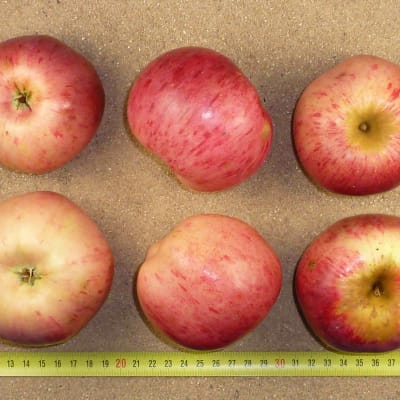
Malus domestica Late summer, red-striped skin. Borowinka seedlings are standard-sized, vigorous, disease resistant and cold hardy. Grow these trees for their own fruit, or as rootstock for grafting. Early to midseason blooms. Z3.
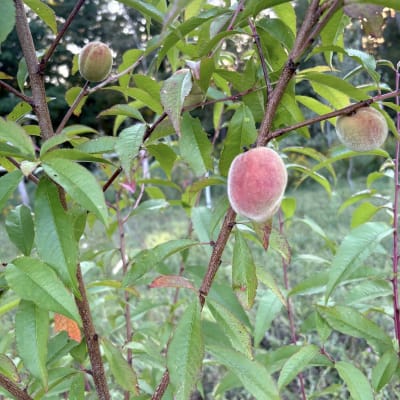
Prunus persica Yellow flesh. Commonly grown as hardy disease-resistant rootstock. Known to grow relatively true to type. Fruit best for processing, decent for fresh eating. Plant for fruit or grafting. Z4.
Prunus persica White flesh. Very late-ripening fruits are white-fleshed, sweet and tart, best for juicing and drying. Long prized as a cold-resistant dwarfing rootstock and gaining popularity for it tasty fruit. Z3.
A great boost for transplants, potted plants and garden soils. Improves soil structure, provides a generous dose of slowly released nutrients and enhances microbial activity.
NPK: 2.5-6-3. Show your flowers you appreciate them by treating them to dinner now and then. This mix is formulated to feed both soil and plant to encourage healthy foliage and lush, colorful blooms.
Malus spp.This is a twig for grafting. Late summer-early fall, red-striped skin. Summer-Fall. Medium-sized fruit great for eating fresh. Makes great mid-winter sauce. Extremely rare. Z4.
Malus spp. Late summer, red-striped skin, yellowish flesh. From Russia, well before 1800. Known in New England as one of the very best pie apples! Extremely hardy. Scab resistant. Z3.
Malus spp. Fall, red-striped skin. Bittersharp cider apple. Small astringent very juicy fruit. The most bitter apple you’ll ever taste. Not for eating fresh! Z4.
Prunus mandshurica Extremely hardy drought-resistant tree native to northeast China, far east Russia and Korea. Useful in breeding new frost-resistant varieties. Fruit is of variable eating quality. Z3.
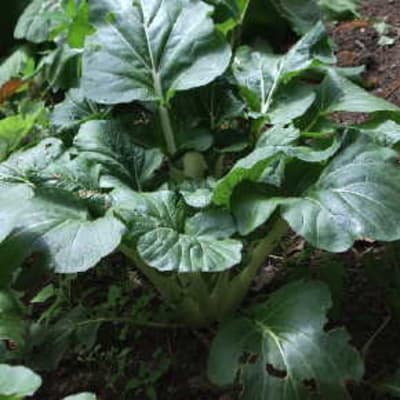
Brassica rapa (chinensis group) (50 days) F-1 hybrid. Uniform pac choi heads with dark green leaves and thick succulent basal stems. For summer and fall crops.
Beta vulgaris (55 days) Open pollinated. Round rose-gold beet. Zoned white-yellow raw interior cooks to light orange. Short light green tops with gold stems and veins.
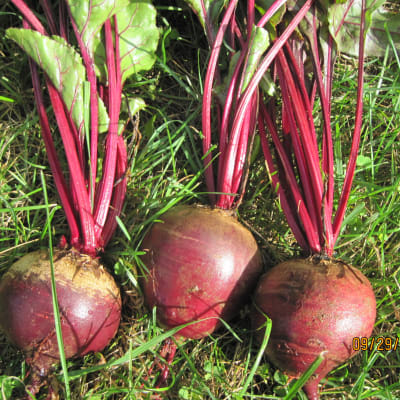
Beta vulgaris (60 days) Open pollinated. Heirloom. Uniform globular smooth red beet. Tender interior with deep red flesh. A favorite of home gardeners and canners.
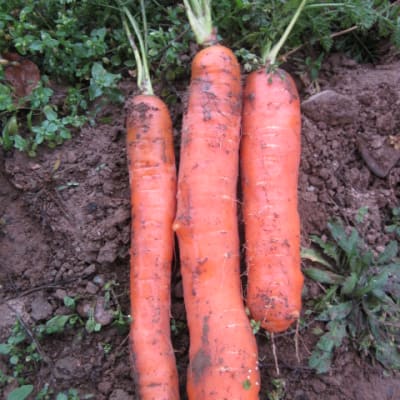
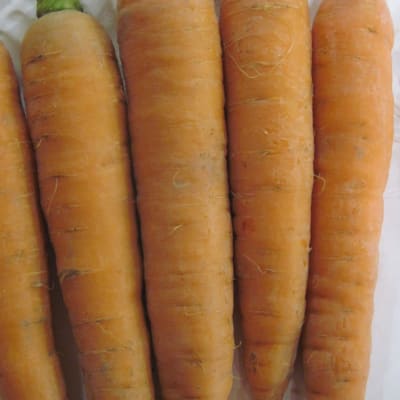
Daucus carota (55 days) F-1 hybrid. Blunt Nantes-type 7-8" orange carrot with strong green tops and a medium core. Snappy, sweet and juicy. Use fresh or store.
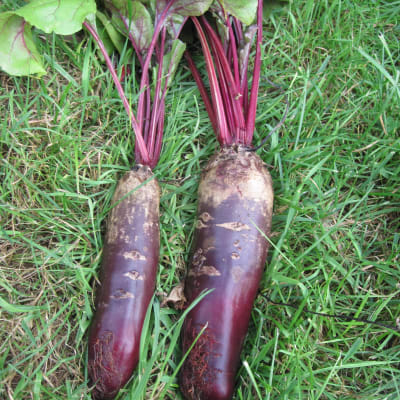
Daucus carota (70 days) Open pollinated. French heirloom. Thick 5-7" long red-orange carrot. Performs well in heavy soil. Excellent flavor and long storage.
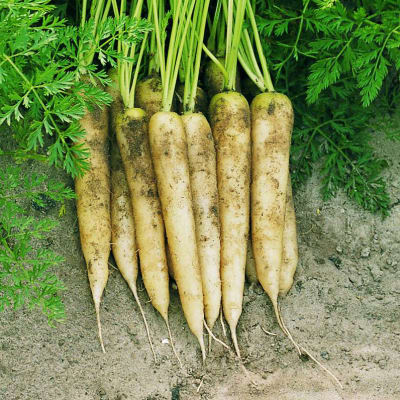
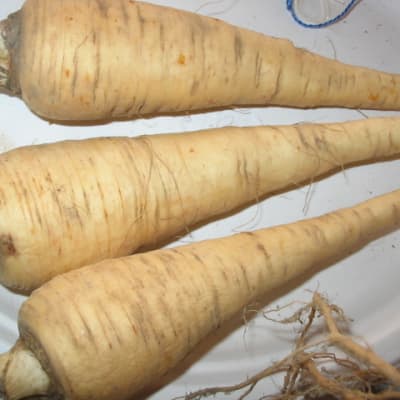
Daucus carota (70 days) F-1 hybrid. Straight 8" creamy-white carrot. Good texture and flavor, both raw and cooked. Develops green shoulders at full-size.
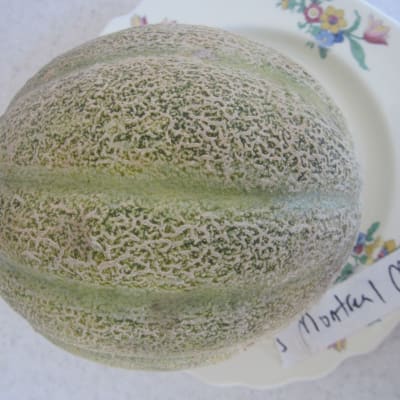
Cucumis melo Green flesh. (89 days) Open pollinated. Green-fleshed heirloom, once the most widely grown in Canada, New England. Netted and ribbed fruits with aromatic silky texture. Can get quite large.
Allium cepa Yellow skin. (110 days) F-1 hybrid. Uniform blocky globes, 2 lbs each, with tall tops. Best for storage; keeps until mid-May. Flavor a balance of sweet and tang. Long-day northern type.
Codonopsis pilosula Open pollinated. Perennial to Zone 4. Used in Chinese medicine like ginseng, but considerably easier to grow than true Panax ginseng.
Levisticum officinale Open pollinated. Perennial. Umbelliferous, attracts beneficial insects, grows 3-6' and makes a dramatic architectural element in a decorative border.
Actaea racemosa 5-7' tall. Long arching racemes of creamy white serpentine flower spikes. Flowers mid to late summer. Medicinal. Woodland native and pollinator powerhouse. Z3.