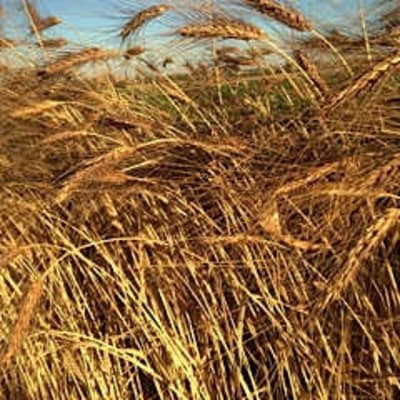
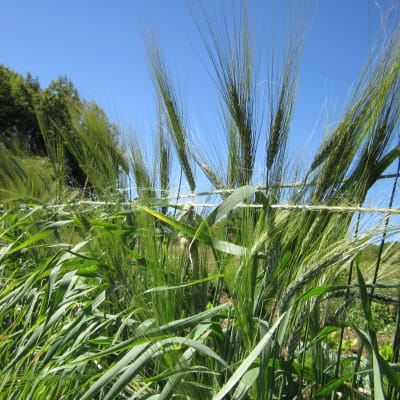
Triticum aestivum (95 days) Open pollinated. Dual-purpose spring wheat: Harvest early for ornamental grain, later for 6-row wheat for baking.
read more
Triticum durum Open pollinated. Too beautiful to eat! Used for wheat weaving and flower arrangements. Four rows with blue-grey husks and long black awns. Sow in April, reap in Sept.
read more
Pyrus communis Fall. Distinctive sweet rich spicy buttery flavor. Melting juicy tender white flesh. Bears huge crops annually. Good pollinator for other varieties. Z4.
read more
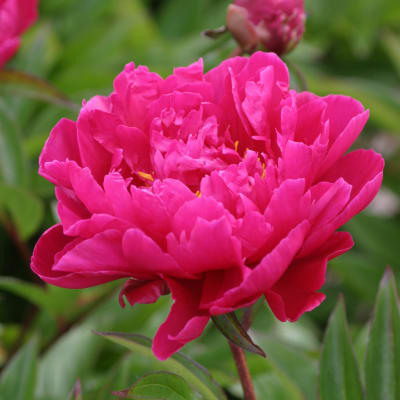
Paeonia lactiflora 24–36" tall. A symphony of coral, peach, melon and pink shades in semi-double form. Very fragrant and packed with petals. Early. Z3.
read more
Petunia × hybrida F-1 hybrid. Pink, with white throats. Wave Series petunias are excellent for landscaping and show extreme drought tolerance.
read more
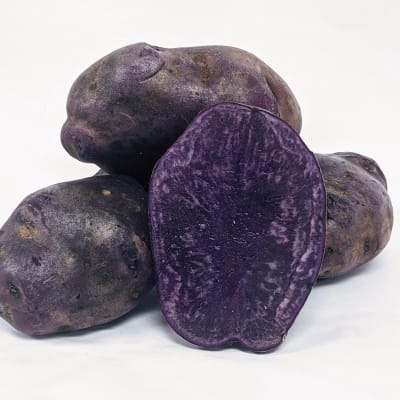
Solanum tuberosum Mid-season, blue skin, blue flesh. Maintains its purple color after boiling, roasting or frying. This spud is packed with powerful antioxidants.
read more
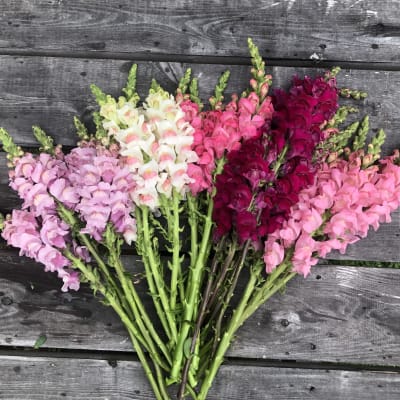
Antirrhinum majus (110 days) F-1 hybrid. A marvelous assembly of our favorite pinks and purples from the Potomac Snapdragon series. All colors mature at the same time and have impressively sturdy stems and a long vase life.
read more
These shears have straight blades with slightly rounded tips, which prevent damage to fruiting and vining crops, herbs and flowers. Carbon steel blades have a chromium coating to stop corrosion.
read more
Solanum tuberosum Late season, buff skin, white flesh. Released in 1932 by the USDA and Maine, it is the standard to which all storage potatoes are compared. Very well suited to a Maine growing season.
read more
Calcium helps strengthen plants’ cell walls, improving crop quality, disease resistance and storage capacity. Can help prevent problems like blossom end rot and bitter pit.
read more
Copper is necessary for efficient photosynthesis and respiration and affects the sugar content and flavor of produce. Contains 4% chelated copper derived from copper sulfate.
read more
Iron is essential for chlorophyll development and function, and is also involved in nitrogen fixation by legumes. Contains 5% chelated iron derived from ferrous sulfate.
read more
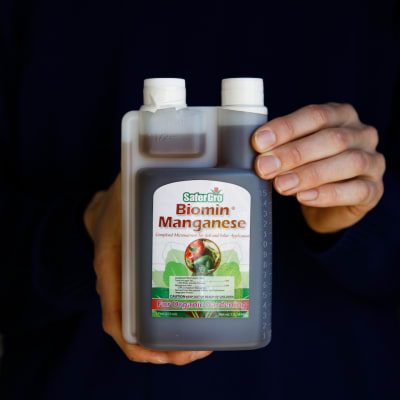
Manganese helps plants to synthesize chlorophyll and is used in electron transport during photosynthesis. Contains 1% nitrogen from vegetable protein and 5% chelated manganese.
read more
Zinc is a component of auxin, an essential growth hormone, and is also necessary for proper root development. Improves cold tolerance. Contains 7% zinc derived from zinc sulfate.
read more
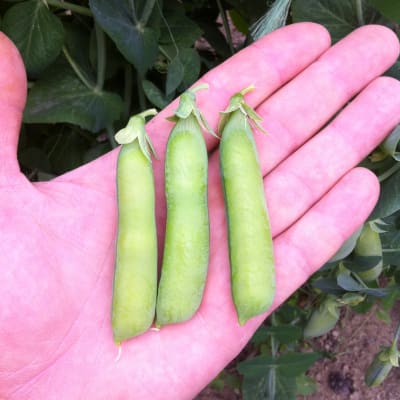
Phaseolus vulgaris (70 days shell, 90 days dry) Open pollinated. White Cannellini bean. 5-6" short fat pods contain 5 plump seeds. Excellent flavor.
read more
Vaccinium corymbosum Mid-Late. 5-6'. Dense clusters of large fruit with exquisite balanced sweet and tart flavor. Stores well in refrigeration. Large vigorous upright shrub. Z4.
read more
The book you need to grow apples organically. This revised and expanded version includes apple-growing basics, as well as the latest research and strategies for successful organic orchards.
read more
A gift to a world disoriented by ecological collapse and haunted by the question of what to do, Eisenstein’s book gets to the heart of the predicament of how to heal our planetary wounds.
read more
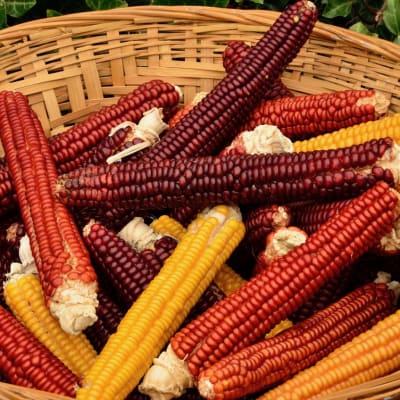
Zea mays (85 days) Open pollinated. Early and productive true flint corn superb for cornbread, johnny cakes and polenta. 8–12" ears with 8–12 rows.
read more
Zea mays (85 days) Open pollinated. This superior flour corn boasts hardiness, earliness and vigor. Ears are solid-colored and can be sorted for use based on kernel color: Pancake White, Parching Red, Parching Starburst and Brown Gravy.
read more
Bupleurum griffithii (90 days) Open pollinated. Everlasting annual. Features round leaves and unusual yellowish flowers air dry perfectly, retaining their color. Great filler for bouquets.
read more
Capsicum chinense (90 days) Open pollinated. A Scotch Bonnet–type infamous for its extreme heat, their distinctive flavor makes them a key ingredient in West Indian jerk sauces.
read more
Microscopic sharp edges cut into insects’ bodies and cause death by dehydration. Insects cannot develop resistance to this mode of action. Good for cutworm protection.
read more
Prunus americana 15-20' Not a hybrid, but it may be the best pollinator for hybrid plums. Very decent red, yellow and orange 1" plums, suitable for fresh eating, canning and freezing. Z3.
read more
Allium cepa (aggregatum group) (110 days) F-1 hybrid. Lustrous pinky-bronze shallot with elongated 4–5" bulbs that are easy to peel and slice. Sweet and slightly citrusy when raw, also great sautéed.
read more
Fragaria × ananassa Large shiny red perfectly shaped fruit is firm, sweet and slightly aromatic. Keeps its size all season. Popular with commercial growers. Low incidence of fruit rots and foliar diseases. Z4.
read more