Malus spp. Summer, dark red skin, white flesh. The standard Maine summer cooking apple, especially pies. Medium-sized dark red fruit. Juicy subacid white flesh tinged with red. Z3.
Malus spp. Fall, rusty red skin, deep pinky red flesh. Medium-large red-fleshed apple. Use for sauce, pies. Very sharp and bitter in cider. Two-toned flowers, bronze-red foliage. Z3.
Malus spp. Fall-winter, green skin, light yellow-green flesh. Large, crisp and tart. Classic New England cooking apple; also great fresh eating. Keeps well into winter. Z4.
Malus spp. Fall-winter, russeted red skin. Medium-large, sharp, crisp, rich, aromatic dessert apple. Also good in cider. Great fresh eating till January. Blooms midseason. Z4.
Malus spp. Winter, russeted green skin. Rich, spicy and juicy. A great late-winter dessert apple; good cooking. Stores until summer. Scab resistant. Z4.
Malus spp. Late fall, russeted red skin. Exquisite dessert fruit is fine-grained juicy and snappy. Clean fruity finish with superior aromatics. Keeps until March. Likely hardy to Z3.
Malus spp. Fall-winter, yellow skin. Large high-quality sweet dessert fruit. A modern apple worthy of the grocery-store world. Keeps most of the winter. Z4.
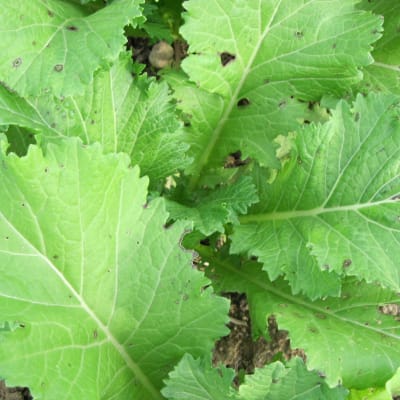
Brassica juncea (47 days mesclun, 62 full size) Open pollinated. Sweet succulent ribs and moderately pungent winter-hardy greens. Good for summer mesclun; excellent cut-and-come-again.
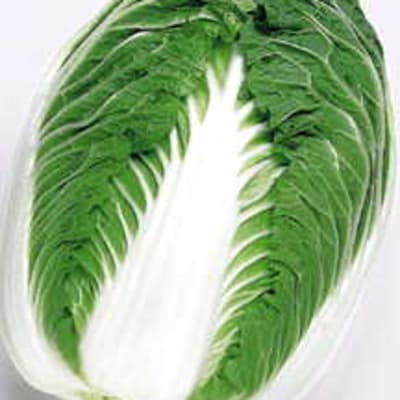
Brassica oleracea (alboglabra group) (45 days) Open pollinated. Dark green large tender leaves with just the right kind of mustardy bite. Prolific yields can be harvested at full size or as baby greens.
First published in 1973, this comprehensive guide to canning, freezing and drying the garden’s bounty has been updated and offers useful recipes and trustworthy food-safety protocols.
Brassica oleracea (botrytis group) (95 days) Open pollinated. Handsome uniform dark-green 5-6" heads. Abundant side shoots over a long harvest window. Ideal home-garden variety for the fall.
Celebrate cider with this T-shirt featuring full-color paintings of ten famous cider apples and the catchphrase “it’s always ok to be bitter.” Fitted cut.
Provides consistent water flow regardless of slope or hose length. No external parts to snap off or leak. Does not clog as easily as soaker hose. With proper care, tubing will last 10 years or more.
Pennisetum glaucum (120 days) Open pollinated. Ornamental grass with deep-purple foliage and large purple seed spikes. Popular in arrangements. 3-5' tall.
Hablitzia tamnoides (45 days) Open pollinated. Perennial spinach-like green. Hardy vine from the Caucasus grows 6-9' long for 2-3 months beginning very early spring. Heart-shaped attractive leaves.
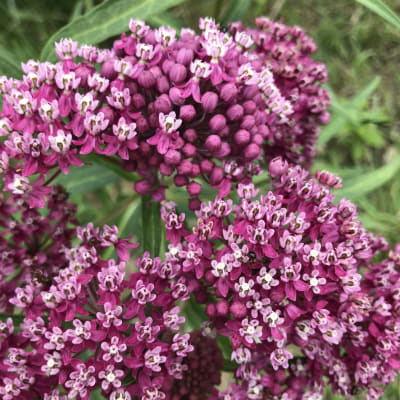
Asclepias syriaca Open pollinated. Perennial to Zone 4. These 5' tall showy native wildflowers are an important member of the wild habitat. Buds open to large balls of sweetly fragrant pink flowers.
Arctostaphylos uva-ursi 6-10". Low-growing evergreen groundcover. Can sprawl to 15'. Pinkish-white flowers in spring. Small red berries persist into winter. Self-pollinating. Z2.
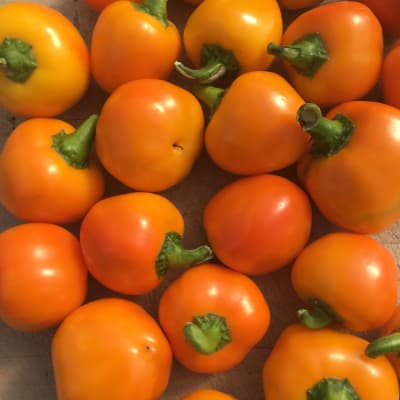
Capsicum annuum Tangerine skin. (74 days) Open pollinated. Round 1-2" shiny bright tangerine fruits on sturdy plants. Heat is comparable to a mild jalapeño, but varies with the weather.
Capsicum annuum Red skin. (74 days) Open pollinated. This large blocky market-type pepper produces good-sized glossy dark green 3–4 lobed peppers on tall bushy plants, even in adverse conditions.
Widely known to effectively repel burrowing mammals like moles, voles, gophers, rabbits, ground squirrels and armadillos. Much cheaper and more versatile than granular castor oil products.
Solanum tuberosum Mid to late season, purple skin, purple flesh. Dig them as sweet little fingerlings early or hold out for larger potatoes later in the season. Distinctively earthy flavor and pleasantly waxy texture.
Raphanus sativus Plum skin, white flesh. (26 days) Open pollinated. Popular plum-colored ping pong ball-sized radish with crisp white flesh. Tolerant to culture under row cover.
Raphanus sativus Yellowish tan skin, white flesh. (30 days) Open pollinated. Polish origin. Medium-sized bunching radish with yellow-tan russeted skin. White flesh is crunchy, crisp and lightly spicy.
Spinacia oleracea (30 days) Open pollinated. Prized as a baby green for its striking magenta-red stems and veins in deep green arrowhead leaves. For the cooler ends of the season only.
Spinacia oleracea (25-30 days to baby leaf, 45 days mature) F-1 hybrid. Tender smooth leaves perfect for the baby cut. Mature, large leaves still have mild sweet flavor. Bolt tolerant, disease resistant.
Spinacia oleracea (38 days) F-1 hybrid. For fall and early winter. Fast-growing high-yielding nearly smooth 5" by 6" spinach. Mild flavor. Not for spring.
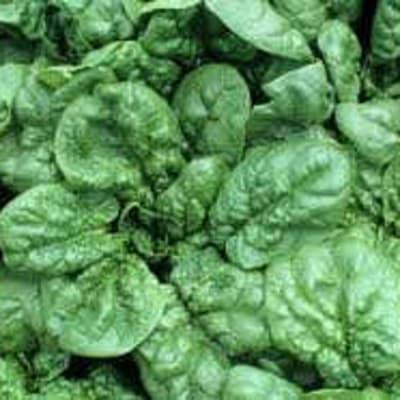
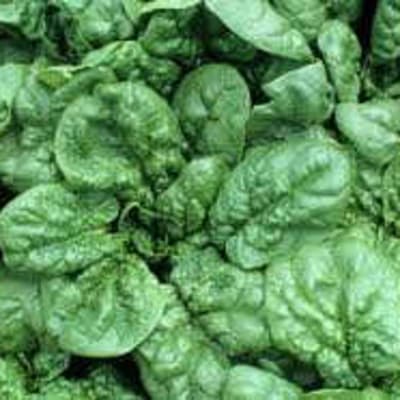
Spinacia oleracea (37 days) F-1 hybrid. For spring and fall. Large thick dark green smooth but slightly savoyed spinach. Juicy and sweet. Vigorous, upright growth. Bestseller.
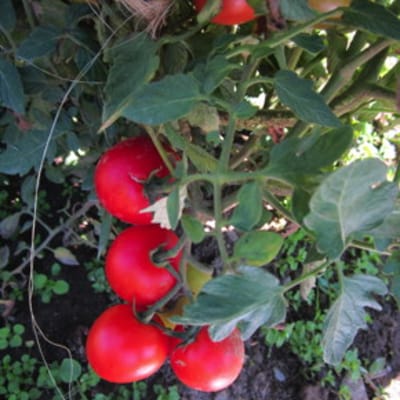
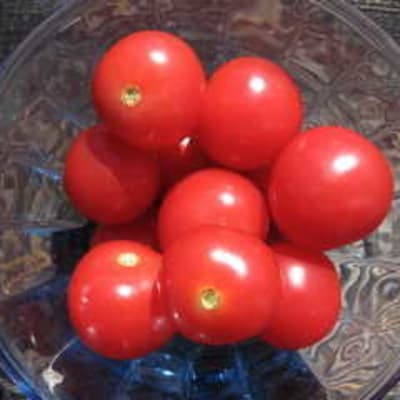
Solanum lycopersicum Red skin. (69 days) F-1 hybrid. Red round two-bite unblemished fruits. Juicy, rich, sprightly. Very marketable. Great vigor and disease-resistance.
Solanum lycopersicum Apricot yellow skin. (57 days) F-1 hybrid. Apricot-yellow small round cherry. Deep sweetness with citrusy, winey tartness. Early and extremely prolific, producing until frost. A modern classic.
Solanum lycopersicum Deep rosy pink skin. (75 days) F-1 hybrid. Gorgeous deep rose large 20-30g cherry. Slowly ripens from pink to deep rose with matte finish. Low-acid, tasty, mellow.
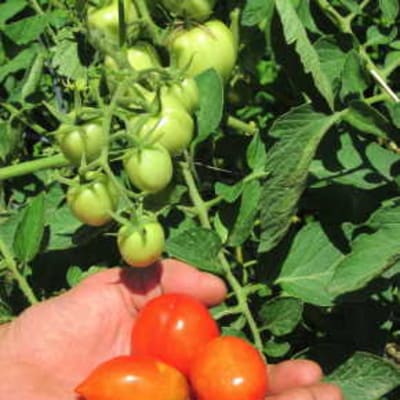
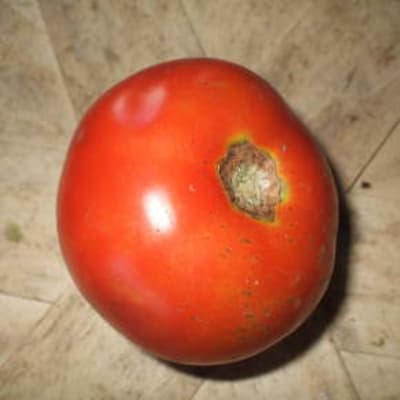
Solanum lycopersicum Red skin. (68 days) Open pollinated. Red 2.5-3 oz plum tomato. Firm fruits amazingly early. Small loaded plants with clean fruits.
Solanum lycopersicum Red skin. (58 days) Open pollinated. Red, variable in size but up to 4". Unusually tasty for such an early variety. Performs best in cool summers. Determinate.