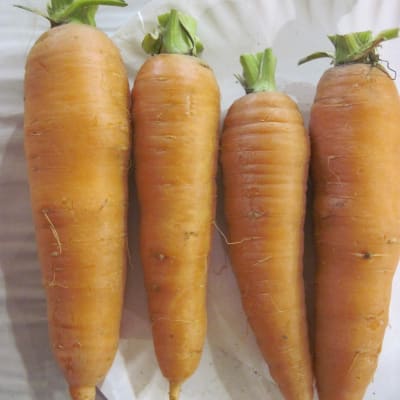
If thoughts of crisp carrots in March set your mouth watering, you'll love this well-illustrated tour of root cellar designs, featuring varietal selections, best storage conditions, and recipes.
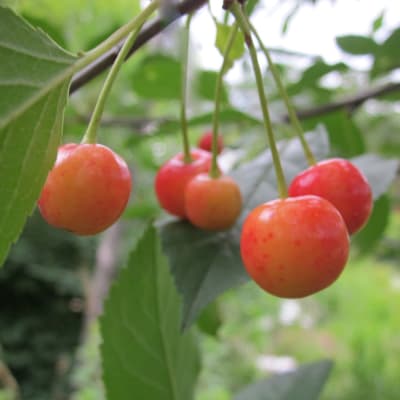
Prunus cerasus Summer, bright red skin. French heirloom. Most famous of all pie cherries. Aromatic firm-fleshed bright red fruit makes a clear light pink juice. Great for processing. Z3/4.
Prunus avium Summer, black-mahogany red skin. Large sweet fruit. Vigorous, productive, upright; bears consistently in central Maine. Self-pollinating, but benefits from second variety. Z4/5.
Prunus avium Summer, dark red skin. Good-quality dark red fruit. Survived –30° with minimal winterkill in central Maine. Vigorous. Requires second variety for pollination. Z4.
Prunus avium Summer, red-blushed yellow skin. Classic dessert cherry. Very large. Good fresh or canned. One of the hardiest sweet cherries. Requires second variety for pollination. Z5.
Prunus cerasus × P avium Midsummer, black skin. Hardy good-quality sweet cherry with juicy medium-firm black flesh. Self-pollinating, and will pollinate other sweet cherries. Z4/5.
Prunus avium Summer, red-blushed gold skin. All-around excellent sweet cherry for the Northeast. Sweet light-colored flesh. Good size, great flavor and heavy cropping. Disease and crack resistant. Self-pollinating. Z4.
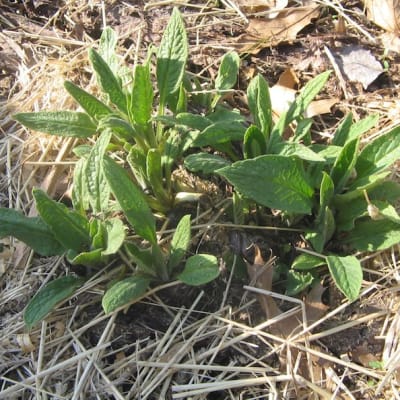
Symphytum × uplandicum 24–48" tall. Great companion plant for orchards. Excellent addition to the compost pile. Rich in silica, nitrogen, magnesium, calcium, potassium and iron. Z3.
Brassica oleracea (gongylodes group) Green skin, white flesh. (45 days) F-1 hybrid. Very early consistently high-quality green kohlrabi. Tender with sweet flavor.
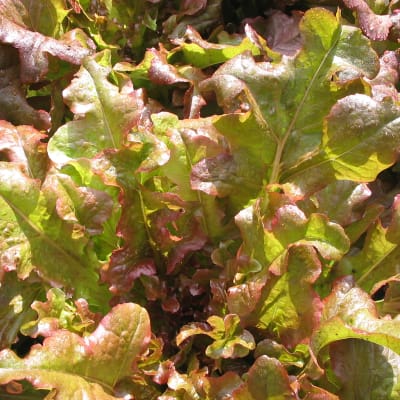
Lactuca sativa (50 days) Open pollinated. Very deep red savoyed leaves with extreme ruffling. Good flavor and texture. Fair heat resistance and good cold tolerance.
Lactuca sativa (48 days) Open pollinated. Very large vigorous oakleaf lettuce with extra-frilled bright pink and bronze leaves. Withstands some heat. Start in early spring for an amazing show.
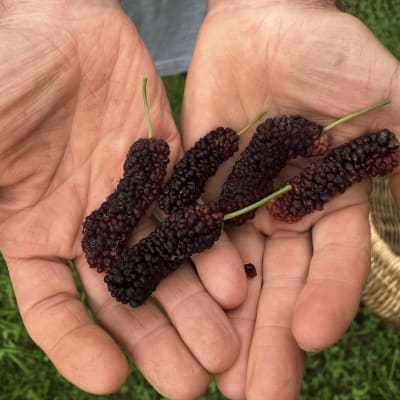
Morus hybrid 30x20' Cold hardy northern selection similar to Illinois Everbearing with larger fruit that ripens 2 weeks earlier. Very productive trees are great when you need a lot of fruit at once. Z4.
Morus hybrid 30x20'. One of the hardiest mulberries! Tasty medium-sized fruit ripens over several weeks in midsummer. Self-fruitful grafted cultivar. Its mother tree is now more than 170 years old. Z3.
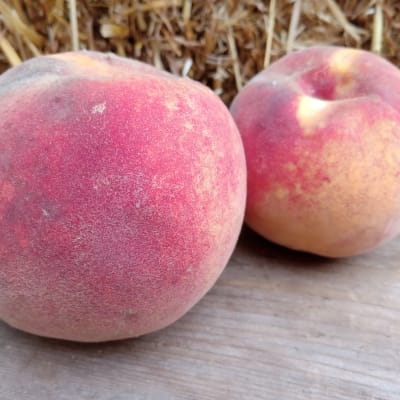
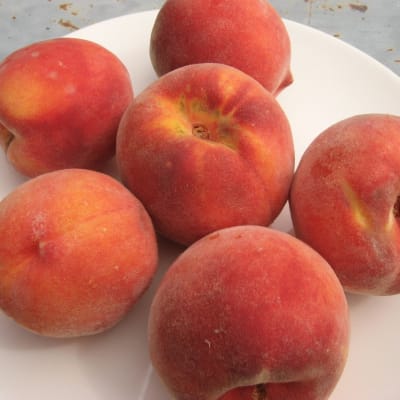
Prunus persica White flesh. Late. White flesh is firm, melting and juicy. All-purpose and freestone. Large vigorous productive tree. Resistant to bacterial spot. Z4/5.
Prunus persica Yellow flesh. Mid. Large fruit with yellow flesh is sweet and juicy. An overall great all-purpose peach for fresh eating, canning or baking. Freestone. Z5.
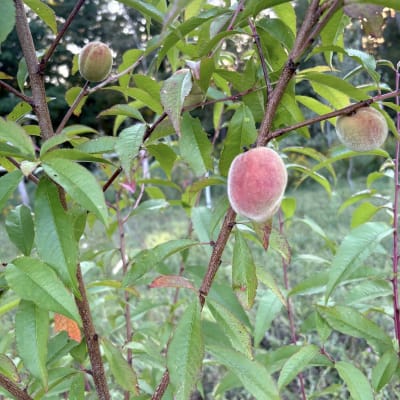
Prunus persica Yellow flesh. Commonly grown as hardy disease-resistant rootstock. Known to grow relatively true to type. Fruit best for processing, decent for fresh eating. Plant for fruit or grafting. Z4.
Prunus persica White flesh. Early-Mid. Peento-type peach is flat, semi-freestone with sugary white flesh. Great for drying. Heavy yields on vigorous tree. Z4.
Prunus persica White flesh. Very late-ripening fruits are white-fleshed, sweet and tart, best for juicing and drying. Long prized as a cold-resistant dwarfing rootstock and gaining popularity for it tasty fruit. Z3.
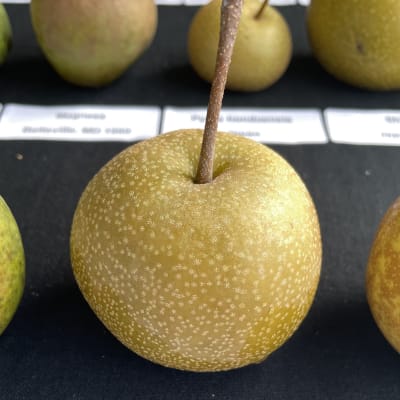
Pyrus pyrifolia Late summer, russeted gold skin, white flesh. Large long-stemmed fruit fruit with medium-thick skin. Crisp juicy fresh eating. Stores one month. Z4/5.
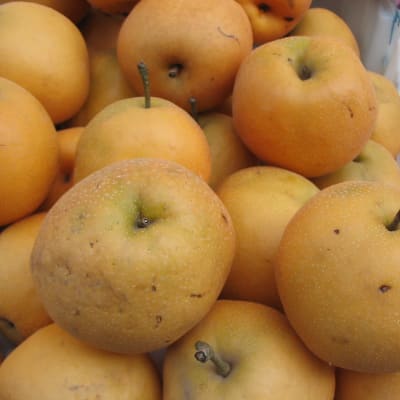
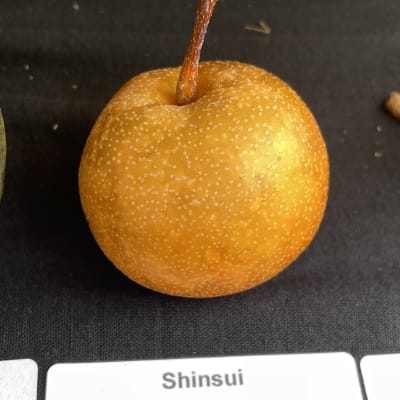
Pyrus pyrifolia Late summer, russeted orange-brown skin. Large fruit with sweet crisp juicy flesh. Candy-sweet with aromatic flavors of caramel. Great for fresh eating and canning. Stores two months. Z4/5.
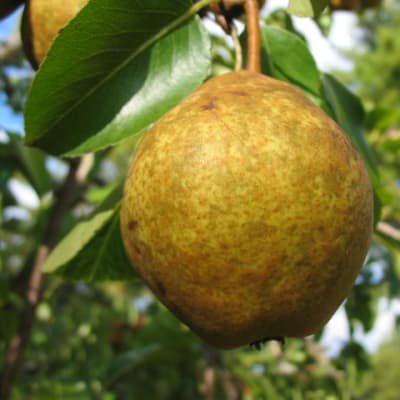
Pyrus pyrifolia Fall, russeted brown skin, yellowish flesh. Medium-large lumpy round brownish russeted Asian pear. Crisp juicy yellow flesh. Stores up to three months. Z4/5.
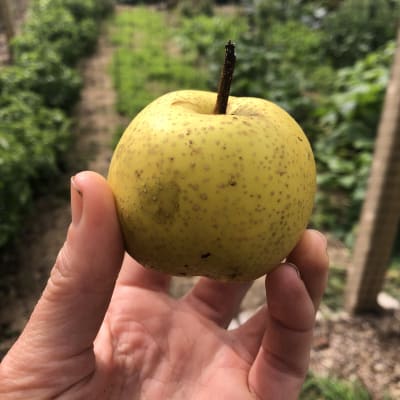
Pyrus pyrifolia Late summer, medium-bright yellow skin, white flesh. Medium-sized Asian pear, with little to no russeting. White crisp flesh. Keeps about three months. Precocious and productive tree. Disease resistant. Z4/5.
Pyrus pyrifolia Summer, russeted yellow skin. Medium-sized crisp juicy fine-textured very sweet Asian pear. Not as firm as others. Keeps about 6 weeks. Z4/5.
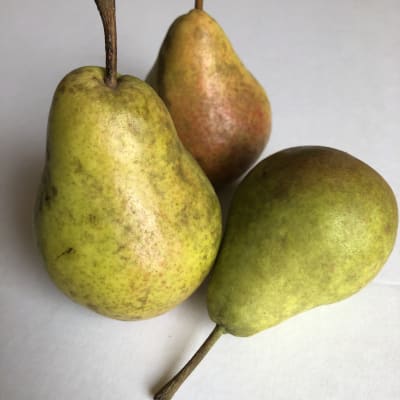
Pyrus communis Late summer, greenish yellow skin. Large greenish-yellow classic obtuse-pyriform pear. Adaptable to many climates and soils. Full reliable annual crops. Z4.
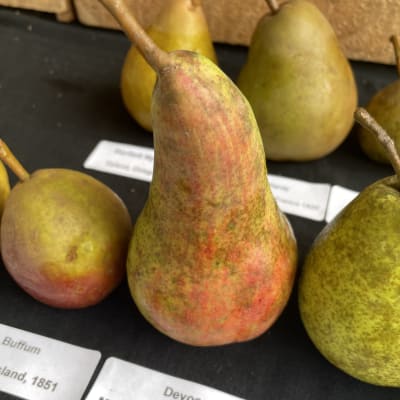
Pyrus communis Fall, russeted dark yellow skin, white flesh. Distinctive sweet rich spicy buttery flavor. Melting juicy tender white flesh. Bears huge crops annually. Good pollinator for other varieties. Z4.
Pyrus communis Fall, greenish yellow skin, yellowish flesh. A superior dessert pear with sweet very juicy flesh. Better wear a bib. Highly ornamental tree. Z4.
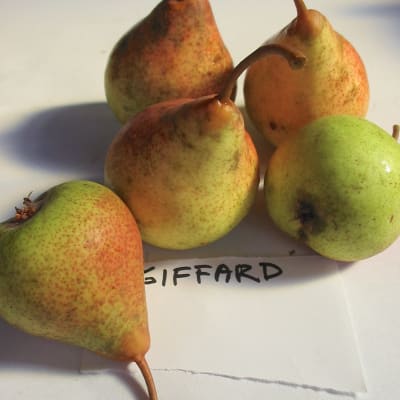
Pyrus communis Late summer, red-blushed golden yellow skin, white flesh. Fine-grained buttery flesh is juicy and sweet with notes of honey and vanilla. Begins bearing at a young age. Z4.
Pyrus communis Early summer, yellow-green skin, white flesh. Sweet juicy white flesh with no grit. Very productive and hardy. Strong resistance to fireblight. Z4.
Pyrus communis Late fall-winter, mottled blushed green skin. Frankendorf, Germany. Coarse flesh, good flavor. Great storage pear. Can keep until April in the root cellar. Z4.
Pyrus communis Early fall, yellowish skin, off-white flesh. Soft fine flesh is sweet and flavorful with almost no grit cells. Produces annual crops of delicious medium-sized fruit. Bears heavily. Z3.