Solanum lycopersicum (70 days) Open pollinated. Outstanding cooking and canning tomato with old-time flavor. Medium-sized 4–6 oz deep oblate fruits.
read more
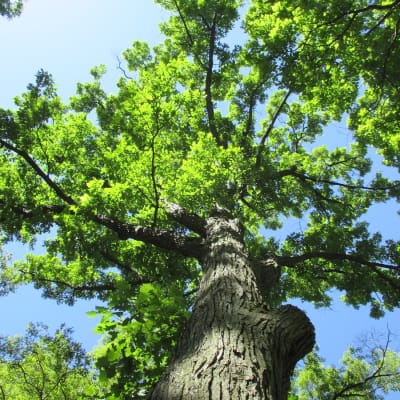
Juglans nigra 70-90'. Spectacular shade tree with open rounded crown. Nuts have sweet earthy rich flavor. May begin to bear in 5-10 years. Z4.
read more
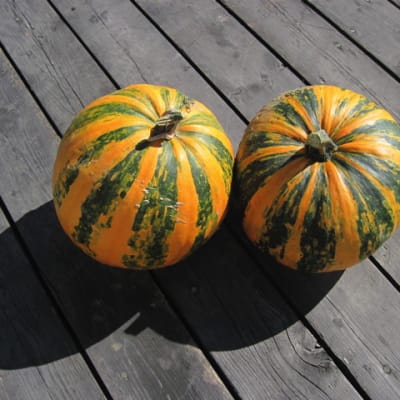
Cucurbita maxima (120 days) Open pollinated. Extra-large squash-pumpkin. Deep orange 50-100 lb fruit. Up to 70" around. For massive jack o' lanterns, and for showing off.
read more
Quercus macrocarpa 70-80' x same. Hardiest of the white oaks with a deeply grooved massive trunk and a wide-spreading crown. Dark green foliage. Large fringed acorns. Z3.
read more
Morus hybrid 30x20'. One of the hardiest mulberries! Tasty medium-sized fruit ripens over several weeks in midsummer. Self-fruitful grafted cultivar. Its mother tree is now more than 170 years old. Z3.
read more
Biochar helps your soil sequester more carbon and emit less nitrous oxide. Also provides a dream home for beneficial bacteria and fungi, while preventing essential nutrients from leaching away.
read more
Brassica oleracea (botrytis group) (62 days) F-1 hybrid. Consistent 6–8" high-domed heads with gorgeous blue-green beads. Resilient variety developed for growers in the Northeast.
read more
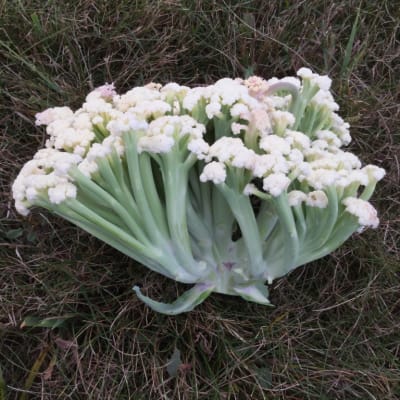
Brassica oleracea (botrytis group) (60 days) F-1 hybrid. Flowering stick type cauli with fine-textured curd. Florets extend into a single-serve branch to be harvested individually. Delicate Japanese beauty.
read more
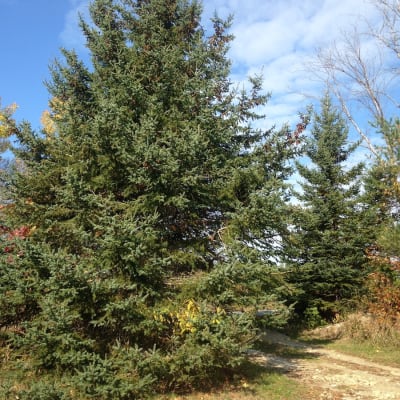
Picea glauca 60-80'. Native conifer, one of the best trees for wind blocks and privacy screens. Adaptable and tolerant to wind, drought and cold. Z2.
read more
Solanum melongena (88 days) Open pollinated. Italian heirloom. White with lavender streaking, plump, 3-4" wide by 5" long. Fruits avg 2 lb. Creamy, delicate, great for gourmet markets.
read more
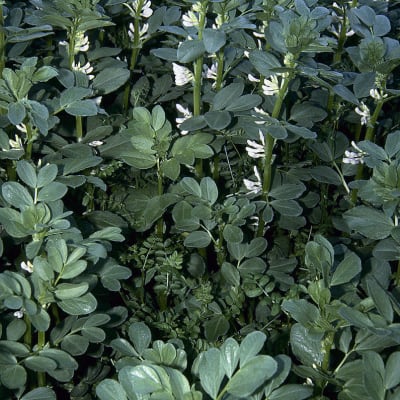
Vicia faba Annual or winter annual legume. Great for fixing nitrogen, and building large amounts of biomass. Bell beans will happily sprout in half-frozen soil, and tolerate a wide range of soil conditions.
read more
Pisum sativum var. arvense Annual legume. Also called Forage Peas. Great as weed-smothering workhorse soil builder, or a tasty and highly digestible forage. Likes cool moist conditions. Will grow in most soil types.
read more
Sorghum bicolor (105 days) Open pollinated. Sprays of ornamental seedheads in gold, bronze, brown, black, burgundy, red and cream are great for making natural straw brooms and classic autumnal displays. Small shiny seeds are beloved by birds.
read more
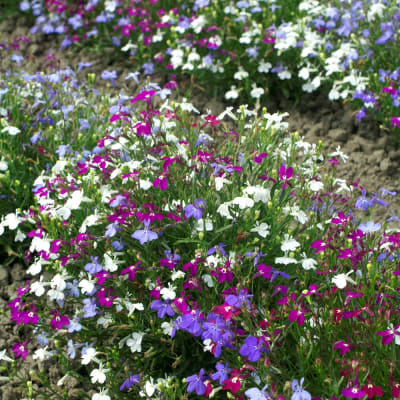
Lobelia pendula (60 days) Open pollinated. Very uniform tiny lush flowers bloom continuously from early summer to early fall to grace your garden, window boxes and hanging baskets. Annual.
read more
Nicotiana sylvestris Open pollinated. Clusters of drooping tubular white blossoms that perfume the garden day and night. Full powerful scent. 4–5' tall.
read more
Centaurea americana (90 days) Open pollinated. Annual. Resembles a thistle, but no prickles. Grassy honey-like fragrance. Native to south-central U.S. and northeastern Mexico.
read more
Talinum paniculatum (95 days) Open pollinated. Petite pink flowers on thin stems mature into airy glistening bronze-to-burgundy sprays of teensy seedpods. Annual.
read more
Lavatera trimestris Open pollinated. Mix contains mostly pink shades and some white. Explosion of funnel-shaped blossoms on 2' tall bushy plants.
read more
Rubia tinctorum Open pollinated. Ancient and excellent source of red dye. Harvest roots after three years and grind to yield a wash- and light-fast red dye par excellence. 4' plants.
read more
Pycnanthemum incanum Open pollinated. A culinary herb, excellent cutflower and pollinator fave! “Mintier than mint” and less likely to spread.
read more
Capsicum chinense (90 days) Open pollinated. A Scotch Bonnet–type infamous for its extreme heat, their distinctive flavor makes them a key ingredient in West Indian jerk sauces.
read more
Broad-spectrum control of bacterial and fungal diseases on vegetables, fruits, nuts, ornamental trees, shrubs, flowering plants, houseplants and tropical plants grown in home gardens or greenhouses.
read more
Biological insecticide made of commercial strength Bt, and labeled for a wide variety of caterpillar and moth pests on practically every agricultural crop there is.
read more
A botanical insecticide derived from chrysanthemum that has a rapid knockdown and high kill rate, but low toxicity for humans and other vertebrates. Commercial use only. Please apply with care.
read more
Cucurbita pepo (110 days) Open pollinated. Plentiful plump dark brown hulless seeds show a good balance of mild nuttiness and underlying rich earthy potency. Feed yourself, your animals and your chickens all winter and spring!
read more
Verbena bonariensis (90 days) Open pollinated. Proud strong 3”4' stems topped with vibrant purple flowers that bloom from July to October. Ideal cutflower. Extremely drought-resistant.
read more
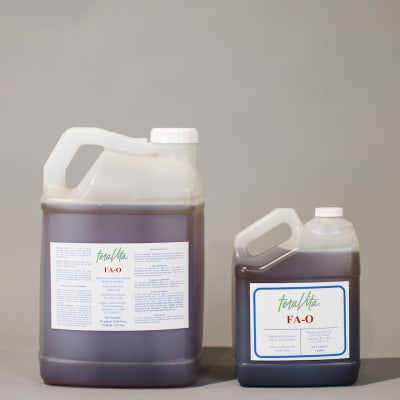
Fulvic acid is a powerful antioxidant and chelator: one molecule can transport 60 or more minerals into plant cells for a more efficient and effective fertilization program
read more
Malus spp. This is a twig for grafting. 25x30'. Classic culinary crab. Apricot-pink buds, large fragrant pure white single flowers. Beautiful fruit makes flavorful ruby-red jelly. Z2.
read more
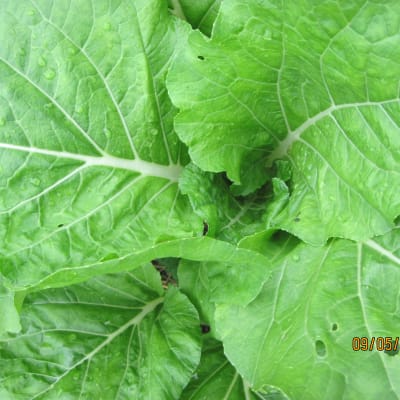
Brassica rapa (chinensis group) (50 days) Open pollinated. Classy pac choi with celery-like white stems and vase-shaped 15-18" tall heads. Succulent stems and tender greens.
read more
Ocimum basilicum (60 days) Open pollinated. An attractive 12-18" fine-leaved plant with purple stems, seed heads and flowers. Lends its distinctly strong licorice-anise basil flavor to Thai food.
read more
Beta vulgaris (60 days) Open pollinated. Heirloom, also known as Winter Keeper. The best winter storage beet. Glossy green tops with no purple.
read more
Brilliantly framed as a detective story, this book is a must for anyone interested in apples and the old-timey experts behind the scenes. Filled with photographs and beautiful illustrations.
read more
Brassica oleracea (capitata group) (40-60 days) F-1 hybrid. Pointy-headed green cabbage, can grow up to 8-10 lbs. Excellent weather-stress tolerance.
read more