100% organic cotton canvas bag featuring the amazing harvest artwork of Fedco’s own Sarah Oliver. Tote bag is 12½" wide x 14½" tall. 24" handles. Square bottom.
NPK: 3-4-6.1 By popular demand! A Fedco Blend formulated to meet the needs of field-grown (outdoor) fruiting Solanaceous crops: tomatoes, peppers, eggplants and tomatillos.
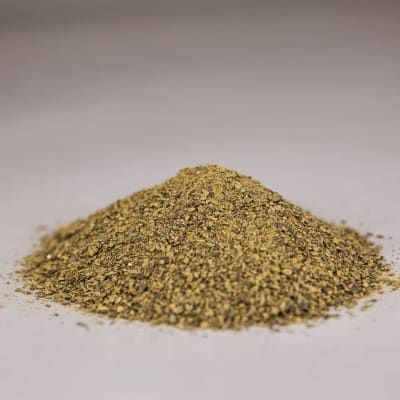
For soil: excellent source of naturally chelated elements, enzymes, and amino acids. For livestock: excellent source of iodine, vitamin A and dozens of other vitamins and trace minerals.
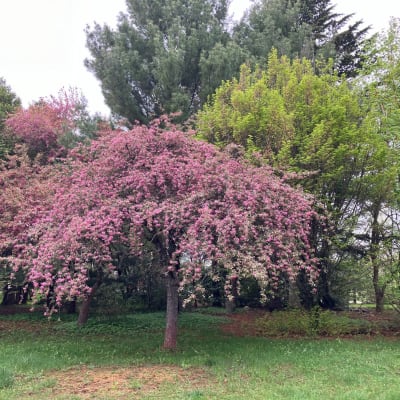
Malus spp. Bright red skin. Very rare! A true weeper, wide spreading and cascading in tufts and mounds. Single pink blossoms and bright red crabapples. Z3.
Ocimum basilicum (70 days) Open pollinated. Impressive yields from shapely plants well suited to pots or the field. Classic sweet Genovese flavor and a marvelously potent aroma. Resists powdery mildew.
Brassica oleracea (botrytis group) (90 days) F-1 hybrid. Late-summer to fall, delivers a dark green semi-domed 6-8" head with medium-small tight bead. Abundant side shoots, good heat tolerance.
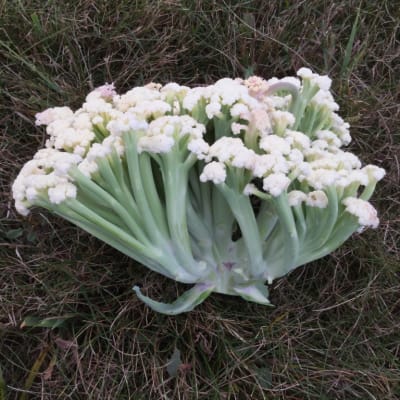
Brassica oleracea (botrytis group) (60 days) F-1 hybrid. Flowering stick type cauli with fine-textured curd. Florets extend into a single-serve branch to be harvested individually. Delicate Japanese beauty.
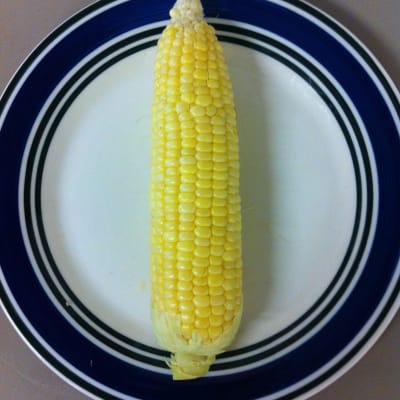
Zea mays (68 days) Synergistic F-1 hybrid. Early fancy tip-filled 8" ears. Quality and flavor like a late corn. Good cold-soil emergence. Often a single ear per stalk.
Zea mays (95 days) Open pollinated. A nutrient-dense grain that is fast maturing under harsh conditions, and stands strong for machine harvest. The soft starch makes fluffy cornbread and also binds well for Johnnycakes and tortillas.
Raphanus sativus var. niger Broadleaf annual. Roots penetrate hardpans and loosen soil down to 30" or beyond. Takes up available soil nutrients and prevents losses to leaching or runoff. Suppresses weeds if planted thickly.
Raphanus sativus var. niger Broadleaf annual. Roots penetrate hardpans and loosen soil down to 30" or beyond. Takes up available soil nutrients and prevents losses to leaching or runoff. Suppresses weeds if planted thickly.
A superior soil-building cover crop mix. The oats come up first and are pulled down by the peas, which are then pulled down by the smothering vetch. Weeds don’t stand a chance in that jungle!
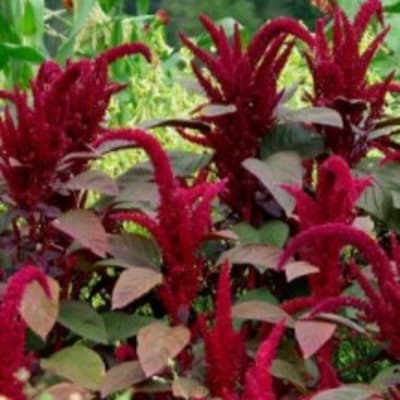
Amaranthus hybridus (65 days to flower, 125 days to seed) Open pollinated. Is it a green vegetable? An ornamental? A gluten-free grain? Why, yes! No wonder Amaranth was sacred in pre-Columbian Mexico.
Hordeum vulgare Open pollinated. An historic 6-rowed barley selected by Luther Burbank from California hulless barley. In his final seed catalog he called it “one of [his] greatest grain creations.”
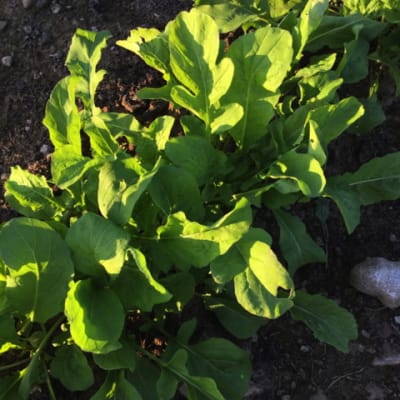
Eruca sativa (47 days) Open pollinated. Great-tasting musky greens. Bolt resistant strain. Cold tolerant, great for early spring, late fall, over-wintering.
Eruca sativa (47 days) Open pollinated. Musky, cold tolerant greens, great for early spring, late fall, over-wintering. Eat the flowers if you miss some of the greens.
Brassica napus (pabularia group) (60 days) Open pollinated. Unsurpassed tenderness and flavor. Green oakleaf with purple veining darkens in cold weather. Wilts quickly once picked. Great microgreens.
Brassica napus (pabularia group) (60 days) Open pollinated. Unsurpassed tenderness and flavor. Green oakleaf with purple veining darkens in cold weather. Wilts quickly once picked. Great microgreens.
Lactuca sativa (48 days) Open pollinated. Hefty wine-red Batavian forms open rosette that folds together like a romaine at maturity. Shiny red leaves, green in the center, good for baby leaves.
Lactuca sativa (32 days baby, 60 mature) Open pollinated. Modern classic. Adds intense deep red color and full-bodied flavor to baby salad mix. Not recommended for full-size heads. Cold tolerant.
Lactuca sativa (53 days) Open pollinated. Grand Rapids-type with slow early growth and pale-green leaves. Excellent heat tolerance and bolt resistance. Recommended for summer production.
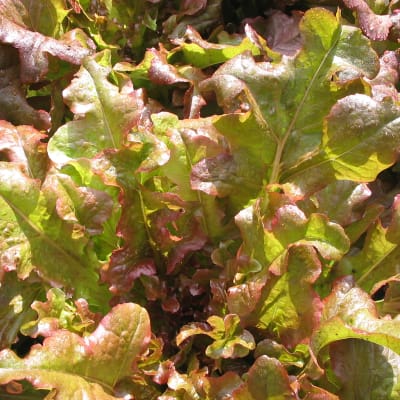
Lactuca sativa (48 days) Open pollinated. Very large vigorous oakleaf lettuce with extra-frilled bright pink and bronze leaves. Withstands some heat. Start in early spring for an amazing show.
Urtica dioica Open pollinated. Perennial. Grows 3-6'. Young shoots and leaves are delicious steamed as spring greens, very high in minerals and protein.
Pyrus pyrifolia Late summer, russeted gold skin, white flesh. Large long-stemmed fruit fruit with medium-thick skin. Crisp juicy fresh eating. Stores one month. Z4/5.
Multi-colored strips around a menacing metallic eye. Successfully tested against some of Maine’s toughest crows! Most effective if moved around the garden from time to time. Protects a 15-20' ra
Helps induce systemic resistance to a broad range of fungal diseases in most edible crops. Preferable to copper fungicide on cannabis, and worth a try to prevent late blight in your potatoes!
Tiny particles of kaolin clay prevent insects from recognizing their targets, and, if they land, inhibit their access to the plant’s surface and cause irritation and excessive grooming.
Solanum tuberosum Mid to late season, yellow skin, yellow flesh. Consistently high yields of large tubers across diverse growing regions and conditions. Holds its shape well when boiled.