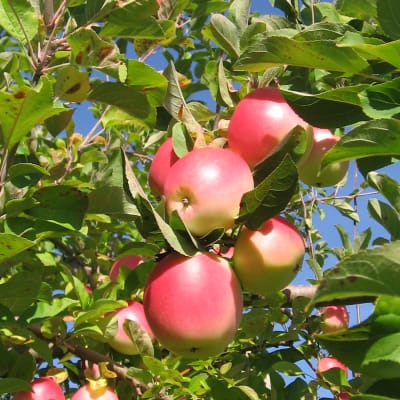
Malus spp. Fall. Modern apple bred for disease resistance, shelf life and flavor. Great fresh eating. Flesh stays white when sliced. Easy-to-grow annual producer. Z4.
read more
Malus spp. Fall-winter. Large high-quality sweet dessert fruit. A modern apple worthy of the grocery-store world. Keeps most of the winter. Z4.
read more
Malus spp. This is a twig for grafting. Late summer. 20x30' White single flowers on large somewhat weeping tree. Red-blushed roundish 1½-2" fruit good for cooking and cider ripens late summer. Z4.
read more
Malus spp. This is a twig for grafting. Winter. One of the oldest American apples. Reddish juice is great for cider. Outstanding pies. Excellent keeper. Z4.
read more
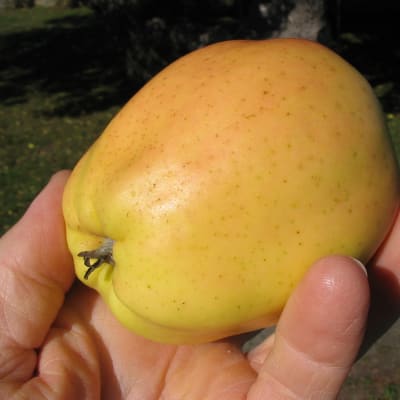
Malus spp. Fall-winter. Famous American heirloom apple. Large brilliant shiny yellow with a bright red blush. Best for fresh eating: aromatic, slightly crisp, juicy, mild. Good sauce. Z4.
read more
Malus spp. This is a twig for grafting. Fall-winter. Famous American heirloom apple. Large brilliant shiny yellow with a bright red blush. Best for fresh eating: aromatic, slightly crisp, juicy, mild. Good sauce. Z4.
read more
Malus spp. This is a twig for grafting. Winter. Large firm crisp fine-grained juicy aromatic all-purpose apple does everything well, including keeping all winter. Blooms early-midseason. Z4.
read more
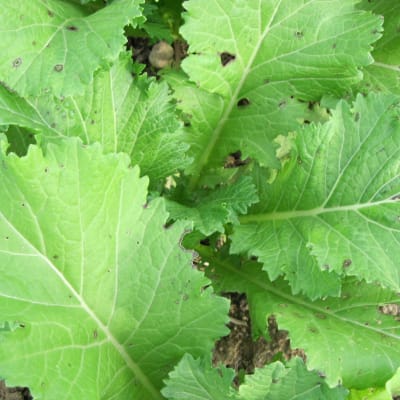
Brassica juncea (47 days mesclun, 62 full size) Open pollinated. Sweet succulent ribs and moderately pungent winter-hardy greens. Good for summer mesclun; excellent cut-and-come-again.
read more
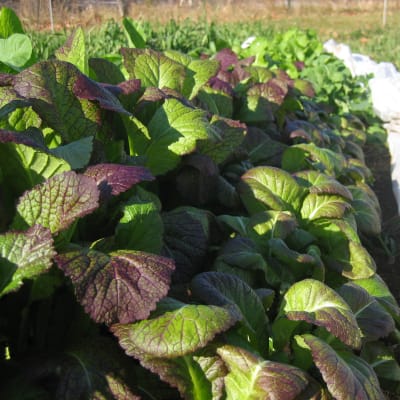
Brassica juncea (integlifolia group) (45 days) Open pollinated. Japanese heirloom. Large purple-tinted savoyed leaves. Peppery flavor. Standard mesclun ingredient. Cold tolerant.
read more
Brassica oleracea (alboglabra group) (45 days) Open pollinated. Dark green large tender leaves with just the right kind of mustardy bite. Prolific yields can be harvested at full size or as baby greens.
read more
Centaurea cyanus (90 days) Open pollinated. Annual. Ruffled dark maroon flowers, sometimes called Black Gem Bachelor’s Button. 3' tall. Hard to find.
read more
Ocimum basilicum (70 days) Open pollinated. The heaviest-yielding variety, recommended for drying, all-around great eating, and large-scale pesto production.
read more
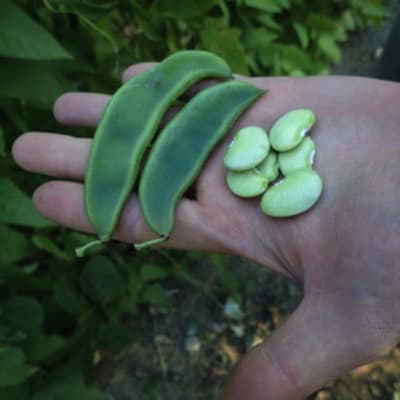
Phaseolus lunatus (106 days) Open pollinated. 8" pods, dependably produces at least four large creamy white seeds per pod. Vines can grow 10'.
read more
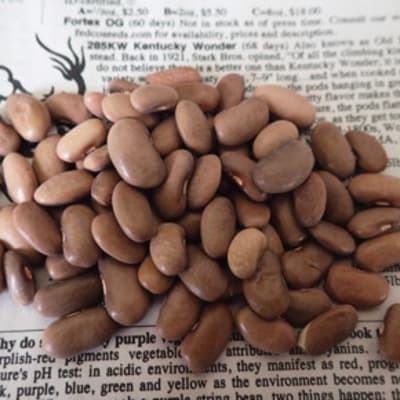
Phaseolus vulgaris (68 days) Open pollinated. Heirloom bears 7-9" pods with nutty flavor. Very productive. Excellent for freezing. Brown seed.
read more
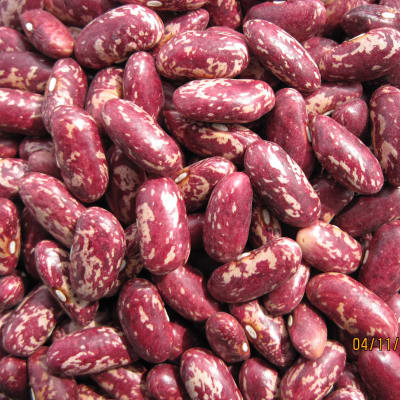
Phaseolus vulgaris (89 days) Open pollinated. Large white kidney bean with red-brown soldier-like figures on the eye. Popular New England bean.
read more
This guide forgoes a full taxonomy of each species in favor of highlighting a few unique traits that single out each one. Features plenty of color photos of each detail to help you ID your trees.
read more
A gift to a world disoriented by ecological collapse and haunted by the question of what to do, Eisenstein’s book gets to the heart of the predicament of how to heal our planetary wounds.
read more
Full of tools to plan for success before your first seed hits the soil. If I’d had this book when I started farming, I would have avoided many mistakes!
read more
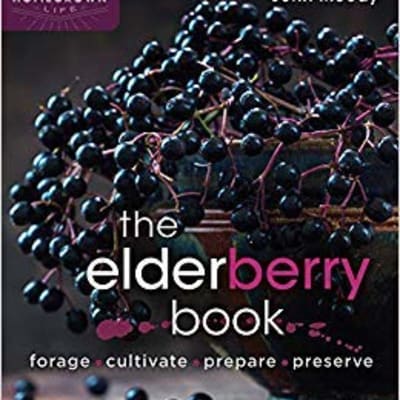
Highlights reasons to plant an elderberry bush and how to do it successfully. He walks us through a history of the plant, its cultivation and propagation, and its many uses in food, tools and toys.
read more
A foundational approach to herbal preparations and medicine making, and a must-read for anyone interested in incorporating medicinal herbs into daily life via an assortment of delicious recipes!
read more
If thoughts of crisp carrots in March set your mouth watering, you'll love this well-illustrated tour of root cellar designs, featuring varietal selections, best storage conditions, and recipes.
read more
Brassica oleracea (botrytis group) (91 days) F-1 hybrid. Large plants set uniform medium-green 8" domed heads with medium-tight bead. Very few side shoots. Reliable production even under stress.
read more
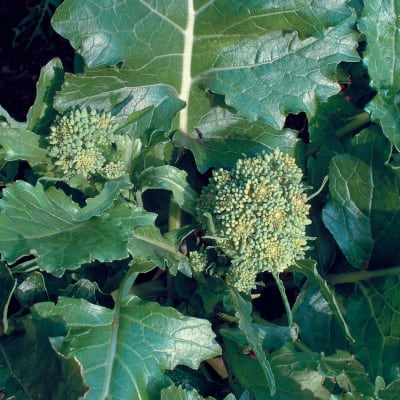
Brassica rapa (ruvo group) (40 days) Open pollinated. A non-heading version of broccoli with a more pungent flavor. Harvest young stems, leaves and small flower buds to steam, stir-fry or add to salads.
read more
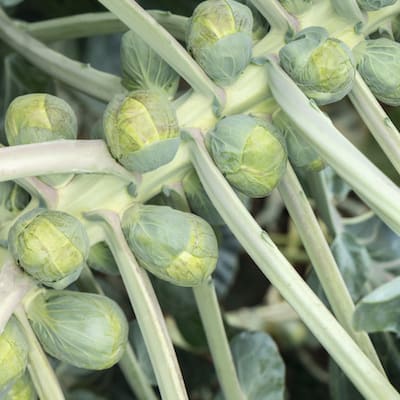
Brassica oleracea (gemmifera group) (98 days) F-1 hybrid. 30-36" stalks that are vigorous and sturdy. Open foliage makes for low presence of aphids.
read more
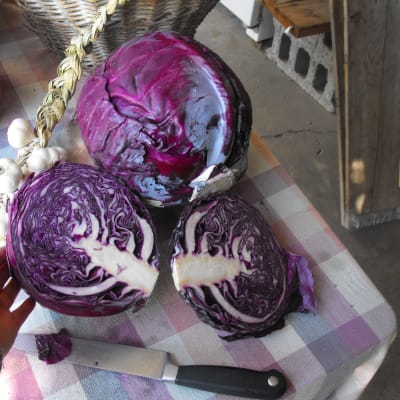
Brassica oleracea (capitata group) (105 days) Open pollinated. Compact deep-burgundy red heads are excellent raw, cooked or fermented. In good storage they'll keep till March.
read more
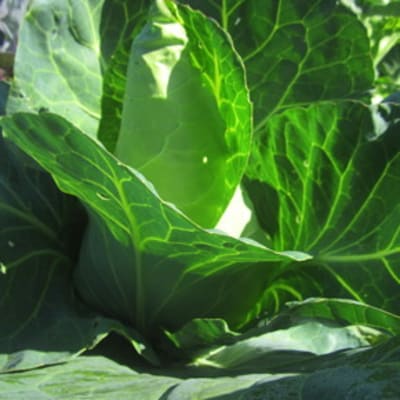
Brassica oleracea (capitata group) (80 days) F-1 hybrid. Dark green solid 4-8 lb heads hold well in weather stress. Stores well until spring.
read more
Brassica oleracea (capitata group) (100 days) F-1 hybrid. Impressive round green heads average a whopping 8–10 lb and reliably store until spring.
read more
Brassica oleracea (capitata group) (85 days) F-1 hybrid. Deep purple-red rock-hard round heads avg 4-6 lb. Excellent for long storage. Very cold hardy.
read more
Eschscholzia californica (60 days) Open pollinated. Cheery cup-shaped silky blooms range from light orange to deep rust, opening their faces to the sun each morning and closing up again at night.
read more
Brassica oleracea (botrytis group) (62 days) F-1 hybrid. This super early deep purple cauliflower with tight curds will start forming heads before than any other purple around.
read more