Allium cepa Purple-red skin. (110 days) Open pollinated. 19th century heirloom. Large medium-firm deep purple-red flattened globes with pinkish-white fine-grained flesh. Long-day. Keeps till late winter.
Allium cepa Red skin. (114 days) Open pollinated. Red storage onion. Flat square-shouldered top tapering like a barrel to a narrower flat bottom. Tops slow to go down.
Allium cepa Yellow skin. (110 days) F-1 hybrid. Uniform blocky globes, 2 lbs each, with tall tops. Best for storage; keeps until mid-May. Flavor a balance of sweet and tang. Long-day northern type.
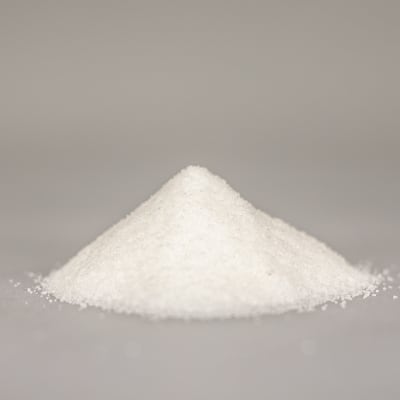
Safe, nontoxic, easy to use hydrogel formulation absorbs and holds water. The swollen crystals adhere to plant roots, reducing transplant shock. Useful for garden seedlings as well as woody plants.
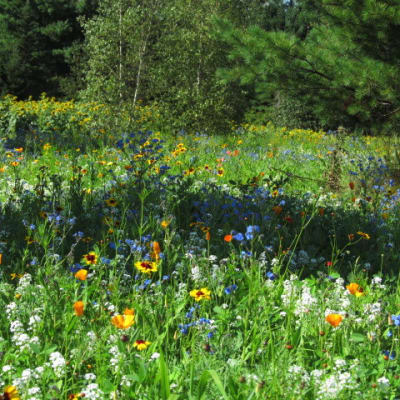
Centaurea americana (90 days) Open pollinated. Annual. Resembles a thistle, but no prickles. Grassy honey-like fragrance. Native to south-central U.S. and northeastern Mexico.
Bupleurum griffithii (90 days) Open pollinated. Everlasting annual. Features round leaves and unusual yellowish flowers air dry perfectly, retaining their color. Great filler for bouquets.
Clarkia amoena (90 days) Open pollinated. 3" “satin flowers” blooms in red, pink, salmon, lavender and white, and with a bright red patch in the heart of the four petals. Best for cutting.
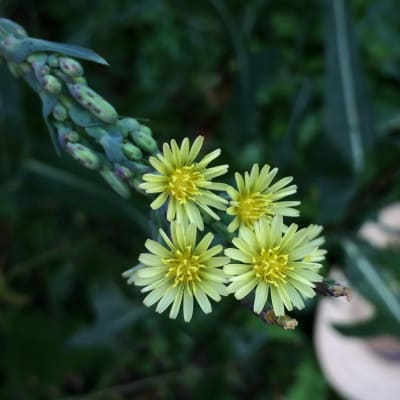
Lactuca serriola (60 days) Open pollinated. Readily grows as a spring-sown annual.Young leaves are edible, and the plant can be milked for its medicinal latex.
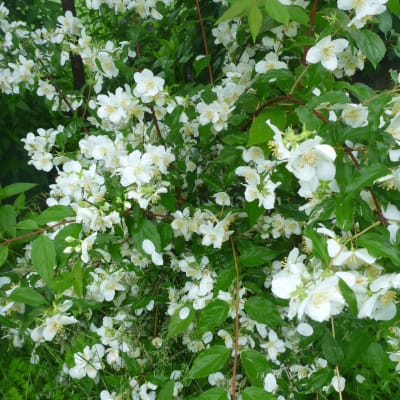
Philadelphus lewisii 4-5' x 3-4' Medium-sized loosely arching ornamental blooming shrub. A “blizzard” of sweet citrusy fragrance from white blossoms in late spring. Z3.
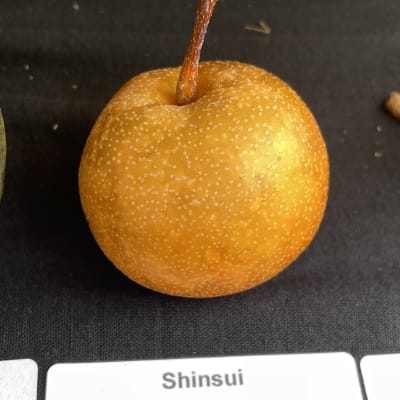
Pyrus pyrifolia Summer, russeted yellow skin. Medium-sized crisp juicy fine-textured very sweet Asian pear. Not as firm as others. Keeps about 6 weeks. Z4/5.
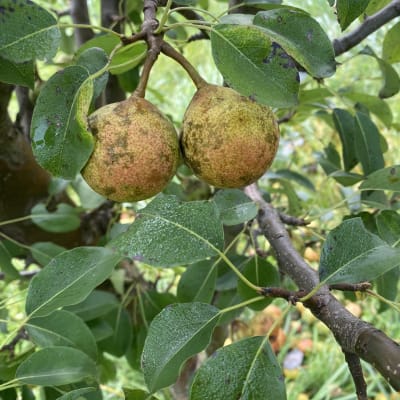
Pyrus communisThis is a twig for grafting. Late fall-winter, mottled blushed green skin. Frankendorf, Germany. Coarse flesh, good flavor. Great storage pear. Can keep until April in the root cellar. Z4.
Pyrus communis Midsummer, red-blushed green skin. Sweet dessert and canning pear. Eat them fresh, can them in quarters, and juice the rest. Fireblight-free. Z3.
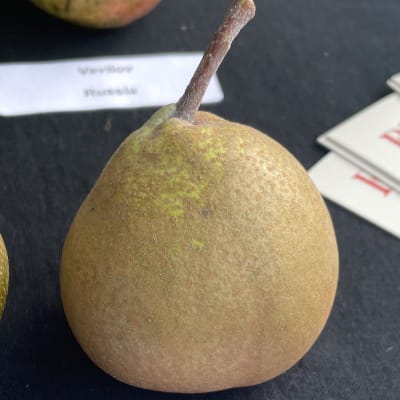
Pyrus communis Winter, russeted yellow skin. Great storage pear with fantastic flavor. One of our favorites! Highly attractive fruit shines and glows. High yielding. Z4.
Pyrus communis Fall, red-blushed yellow skin. Medium-sharp perry pear. Too bitter for fresh eating but very good for making a strong aromatic perry. Also suitable for cooking. Medium-small spreading tree. Probably Z4.
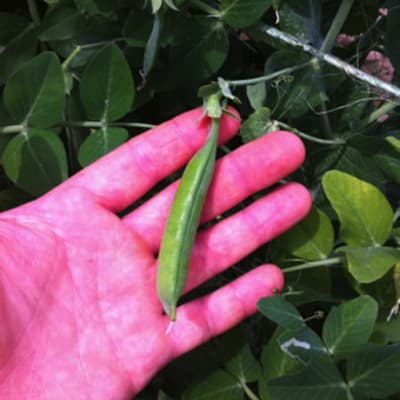
Pisum sativum (65 days) Open pollinated. Prolific Tendersweet bears 2½–3" dark green and slightly curved snap pods. Has a longer picking window than most quick and short types.
Paeonia lactiflora 24–36" tall. A symphony of coral, peach, melon and pink shades in semi-double form. Very fragrant and packed with petals. Early. Z3.
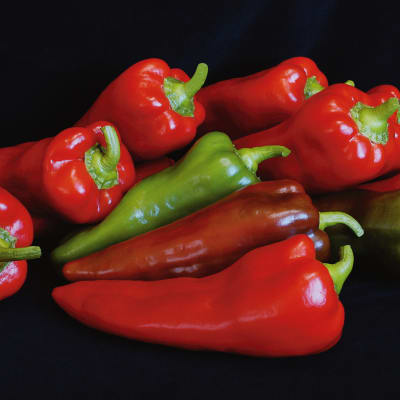
Capsicum annuum Red skin. (70 days) F-1 hybrid. Deep carmine horn-shaped 2.5x6" fruits. Classic Italian Corno di Toro type. Unusually sweet. Widely adapted and early maturing.
Capsicum annuum Red skin. (76 days) Open pollinated. Shiny red thin-walled 8" long tapering frying pepper. Sweet mild flavor, good raw and especially fried. High yielding.
Capsicum annuum Orange skin. (100 days) Open pollinated. Shiny orange fruits are a bit longer than a habanero but they pull off the look. Bushy short plants bear about 2 dozen sweet—not hot— fruits.
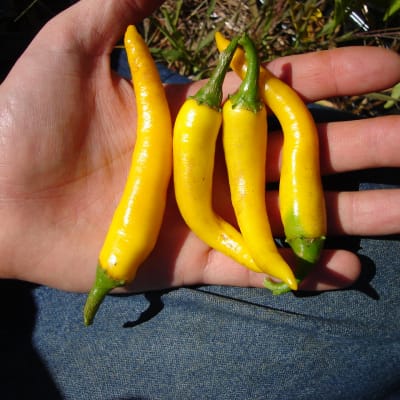
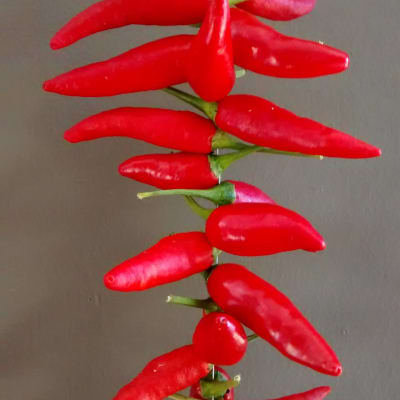
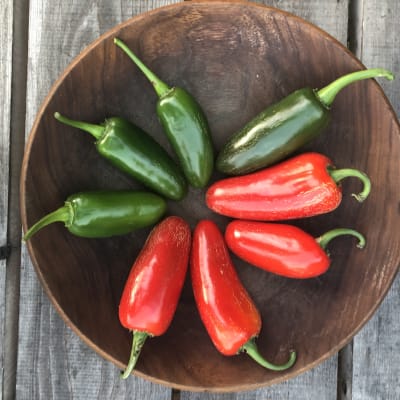
Capsicum annuum Red skin. (75 days) Open pollinated. The 2½–3 x ½" bright scarlet fruits have thin walls and classic serrano heat. Perfect for fresh salsa, pickling and hot sauces
Capsicum annuum Red skin. (88 days) Open pollinated. This rare Pennsylvania Dutch heirloom packs considerable heat. Rarely eaten raw, the peppers were traditionally used for pickling and pepper vinegar.
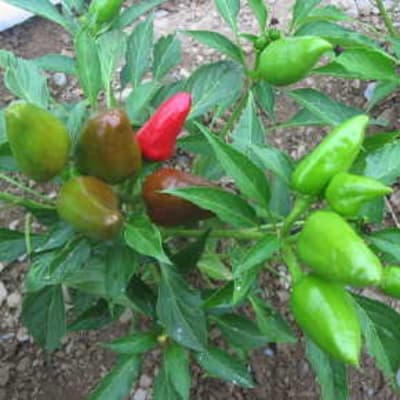
Capsicum annuum Red skin. (82 days) Open pollinated. Tiny bright red 1" conical fruits stand erect from foliage. Very hot, 25,000-40,000 Scovilles. Pretty and prolific.