Perilla frutescens var. crispa (85 days) Open pollinated. Japanese heirloom. Ornamental and edible purplish-red anise-scented leaves. Used in sushi, sauces, garnishes, pickles, stir-fries, and to color umeboshi plums red.
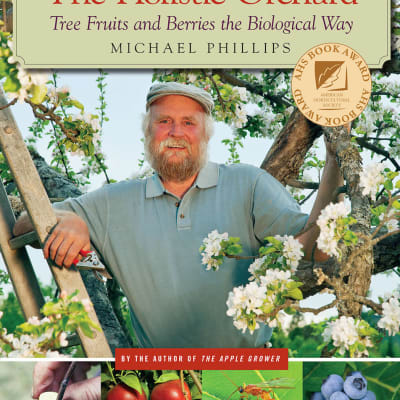
Covers a wide range of crops, while addressing orchard design, dynamics and horticulture in unparalleled detail. Pruning, planting, companion planting, spraying, not spraying—it's all here!
Malus spp. Winter, deep purple skin, greenish white flesh. Uniquely dark fruit with well-balanced flavor. Excellent pies and cider. Maine heirloom. Best eating late Dec. to March. Great keeper. Z4.
Malus spp.This is a twig for grafting. Winter, deep purple skin. Uniquely dark fruit with well-balanced flavor. Excellent pies and cider. Maine heirloom. Best eating late Dec. to March. Great keeper. Z4.
These galvanized metal limb spreaders are more durable than the plastic versions we used to carry. Use them to establish optimal crotch angles on... read more
Galvanized metal limb spreaders are more durable than the plastic versions. Use them to establish optimal crotch angles on young tree branches. Bundle of 12 spreaders in four sizes.
Galvanized metal limb spreaders are more durable than the plastic versions. Use them to establish optimal crotch angles on young tree branches. Bundle of 12 spreaders in four sizes.
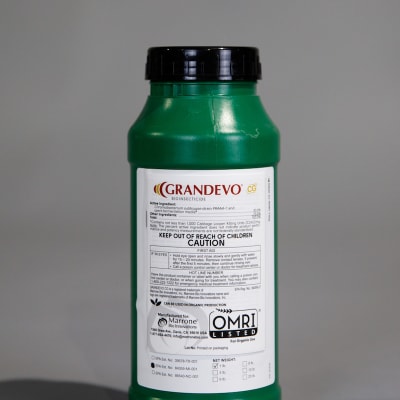
Tiny particles of kaolin clay prevent insects from recognizing their targets, and, if they land, inhibit their access to the plant’s surface and cause irritation and excessive grooming.
Reduces plant damage from sucking and chewing insects including Colorado potato beetle larve. Faster-acting than most biological products: stops feeding activity within one minute of exposure.
Phaseolus vulgaris (60 days shell, 85 days dry) Open pollinated. Plump shiny black beans! Can be harvested as a shell or dry bean. Dry pods resist shattering, yet are easy to shell.
Solanum melongena White-streaked lavender skin. (88 days) Open pollinated. Italian heirloom. White with lavender streaking, plump, 3-4" wide by 5" long. Fruits avg 2 lb. Creamy, delicate, great for gourmet markets.
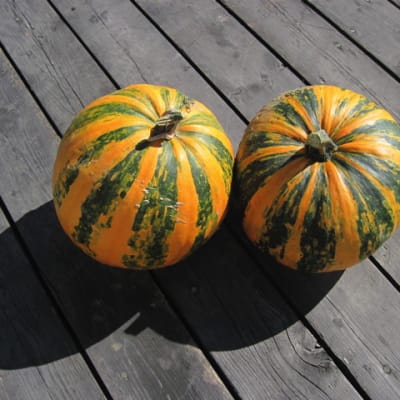
Cucurbita pepo Green-streaked orange skin. (110 days) Open pollinated. Plentiful plump dark brown hulless seeds show a good balance of mild nuttiness and underlying rich earthy potency. Feed yourself, your animals and your chickens all winter and spring!
Raphanus sativus Rosy pink skin, white flesh. (25 days) Open pollinated. Rosy-pink color with bright white flesh, crisp and mild. Oblong plump roots hold longer than others without cracking or getting soft and pithy.
Brassica oleracea (capitata group) (110 days) F-1 hybrid. Flat-topped 5-7 lb green heads. Tender, sweet, juicy; ideal for rolls, wraps and krauts. Not for storage. Holds well in the field.
Avena sativa Annual grass. Vigorous, lush foliage. Significantly more biomass production than common oats, making them superior for cover-cropping/soil-building, and for feeding livestock. Organic seed.
Hordeum vulgare Open pollinated. An historic 6-rowed barley selected by Luther Burbank from California hulless barley. In his final seed catalog he called it “one of [his] greatest grain creations.”
Pennisetum glaucum (120 days) Open pollinated. Ornamental grass with deep-purple foliage and large purple seed spikes. Popular in arrangements. 4-5' tall.
Pennisetum glaucum (120 days) Open pollinated. Ornamental grass with deep-purple foliage and large purple seed spikes. Popular in arrangements. 3-5' tall.
Solanum tuberosum Mid to late season, red skin, red flesh. Plump fingerlings with smooth skin, excellent color retention and high yields. They're also tasty as heck!
Raphanus sativus Purple skin, purple flesh. (50 days) F-1 hybrid. Bluish-purple skin and greenish-purple shoulders. Interior white ringed deep purple with streaks and a purple sunburst core.
Physalis ixocarpa Yellow skin. (60 days) Open pollinated. Sweet and tropical, like a ground cherry, perfect for fresh eating, roasting, grilling and for fruity salsas. A flavor that surprises and delights!
Solanum tuberosum Late season, tan skin, yellow flesh. The most consistent fingerling in shape and size. Versatile in the kitchen and stores beautifully through the winter.