Prunus armeniaca Red-speckled orange skin. Heirloom English variety now standard in the U.S. Orange fruit speckled with red is sweet, aromatic and firm yet juicy. Great for fresh eating, canning and drying. Z5.
Prunus armeniaca Midsummer, yellow-orange skin. One of the best-tasting of the Harrow series of hardy apricots, but not quite as cold tolerant as others. Drips with sweet juice. Z4/5.
Prunus armeniaca Mid-late summer, orange skin. Multipurpose sweet freestone variety is good for fresh eating, canning and drying. Most cold hardy of the Harrow series. Z4.
Prunus mandshurica Extremely hardy drought-resistant tree native to northeast China, far east Russia and Korea. Useful in breeding new frost-resistant varieties. Fruit is of variable eating quality. Z3.
Prunus × dasycarpa Deep reddish purple skin, crimson orange flesh. Cross between apricot and myrobalan plum. Rare. Makes flavorful dried fruit that rivals dried mango. Tangy, sweet, satisfying. Z6; worth trialing in Z4/5.
Prunus armeniaca Summer, yellow-orange skin. Small roundish yellow-orange apricot with a red blush. Smooth juicy freestone flesh with a mild sweet flavor. Extremely hardy. Z3.
Prunus armeniaca Mid-late summer, pale yellow skin. From Iran, these apricots are sugary with large sweet edible almond-like pits. Very hardy and worth trialing in the Northeast. Z3.
Prunus cerasus Summer, dark red skin. Brought to US from Hungary in the 90s during a search for later blooming cherries. One of the best sour cherries for fresh eating and processing! Z4/5.
Prunus cerasus Summer, dark red skin. Very dark red-black-skinned pie cherry. Dark red flesh and juice. Recommended for pies and all other cookery. Z4/5.
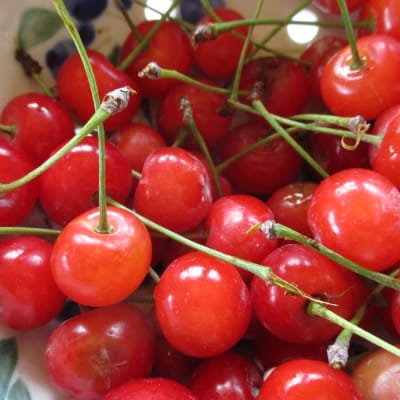
Prunus cerasus Summer, bright red skin. Heirloom pie cherry grows successfully in Aroostook County. Similar to Montmorency. Hardy, productive, long-lived, disease resistant. Z3.
Prunus cerasus Summer, bright red skin. French heirloom. Most famous of all pie cherries. Aromatic firm-fleshed bright red fruit makes a clear light pink juice. Great for processing. Z3/4.
Prunus avium Summer, black-mahogany red skin. Large sweet fruit. Vigorous, productive, upright; bears consistently in central Maine. Self-pollinating, but benefits from second variety. Z4/5.
Prunus avium Summer, dark red skin. Good-quality dark red fruit. Survived –30° with minimal winterkill in central Maine. Vigorous. Requires second variety for pollination. Z4.
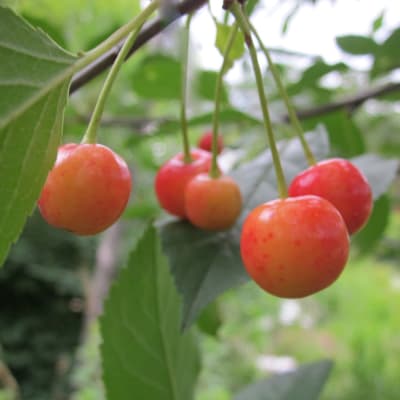
Prunus avium Summer, red-blushed yellow skin. Classic dessert cherry. Very large. Good fresh or canned. One of the hardiest sweet cherries. Requires second variety for pollination. Z5.
Prunus cerasus × P avium Midsummer, black skin. Hardy good-quality sweet cherry with juicy medium-firm black flesh. Self-pollinating, and will pollinate other sweet cherries. Z4/5.
Prunus avium Summer, red-blushed gold skin. All-around excellent sweet cherry for the Northeast. Sweet light-colored flesh. Good size, great flavor and heavy cropping. Disease and crack resistant. Self-pollinating. Z4.
Prunus tomentosa 6-10' x same. Broad dense highly ornamental fruiting shrub blooms early. Excellent hedge and edible landscape plant. Plant two or more for pollination. Z2.
Prunus maritima 6' × 5-6'. Rounded dense suckering shrub found along ocean beaches. Showy white blooms in spring. Edible plums in late summer. Plant two for fruit. Z3.
Prunus glandulosa 5-6' x 3-4'. An early spring spectacle of pink double flowers. Branches are nearly covered with the impressive blooms ranging all shades of pink. Z4.
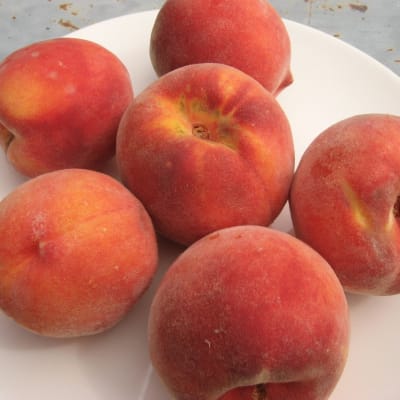
Prunus persica White flesh. Late. White flesh is firm, melting and juicy. All-purpose and freestone. Large vigorous productive tree. Resistant to bacterial spot. Z4/5.
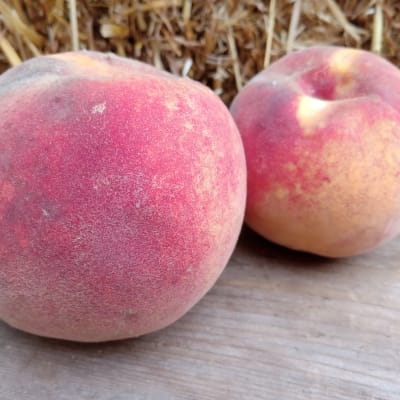
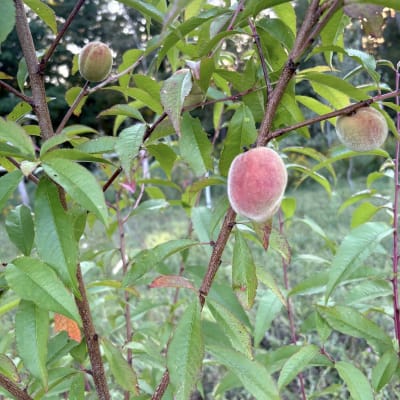
Prunus persica Yellow flesh. Mid. Large fruit with yellow flesh is sweet and juicy. An overall great all-purpose peach for fresh eating, canning or baking. Freestone. Z5.
Prunus persica Yellow flesh. Commonly grown as hardy disease-resistant rootstock. Known to grow relatively true to type. Fruit best for processing, decent for fresh eating. Plant for fruit or grafting. Z4.
Prunus persica White flesh. Early-Mid. Peento-type peach is flat, semi-freestone with sugary white flesh. Great for drying. Heavy yields on vigorous tree. Z4.
Prunus persica White flesh. Very late-ripening fruits are white-fleshed, sweet and tart, best for juicing and drying. Long prized as a cold-resistant dwarfing rootstock and gaining popularity for it tasty fruit. Z3.
Prunus americana 15-20' Not a hybrid, but it may be the best pollinator for hybrid plums. Very decent red, yellow and orange 1" plums, suitable for fresh eating, canning and freezing. Z3.
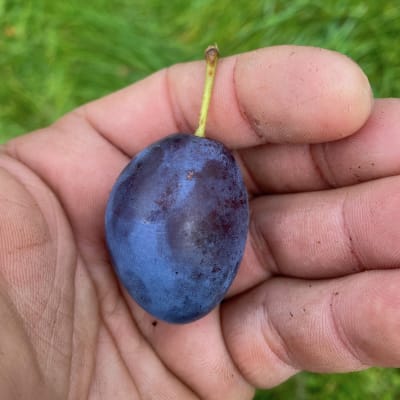
Prunus domestica Blue skin, golden yellow flesh. A relatively new plum showing promise in commercial and home orchards. Very juicy sweet yellow flesh. Clingstone. Z5.
Prunus spp.This is a twig for grafting. Mid-late summer, yellowish green skin. Small semi-freestone plum has tender juicy melting flesh with rich flavor. Often considered the best dessert plum. Z4.
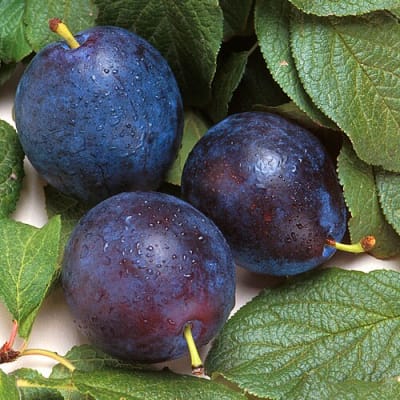
Prunus domestica Late summer, dark purple skin, greenish yellow flesh. Often considered the sweetest European plum. Use fresh, dried, frozen, canned and in preserves. Abundant annual crops. Z3.
Prunus Early summer, reddish purple skin, yellow flesh. One of the first European plums to fruit in the season, and one of the hardiest varieties out there. Z3.
Prunus Late summer, dark bluish purple skin, greenish amber flesh. Famous in Bosnia and Herzegovina for making sweet and creamy preserves, and fermenting into brandy. Z4.