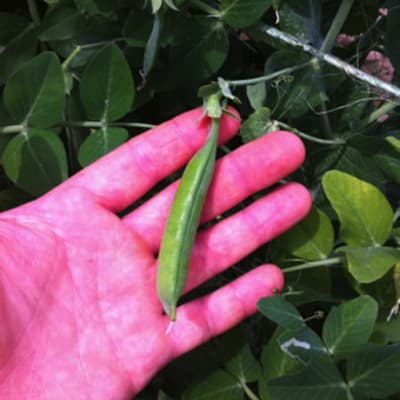
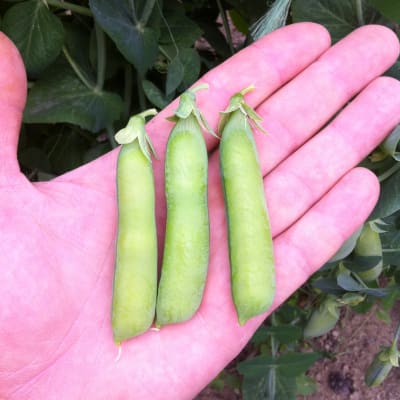
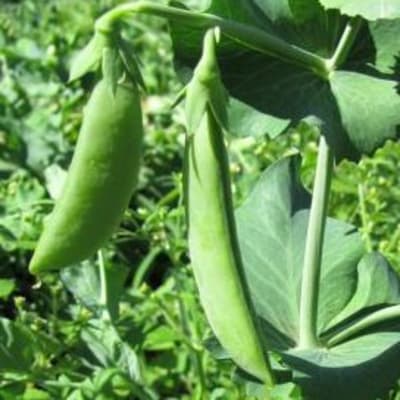
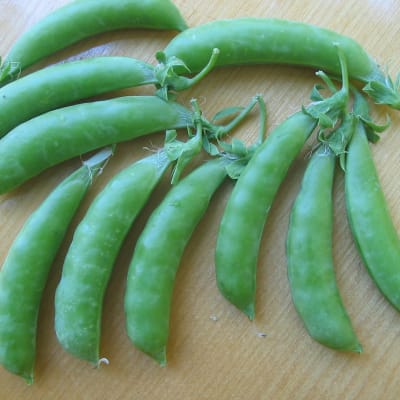
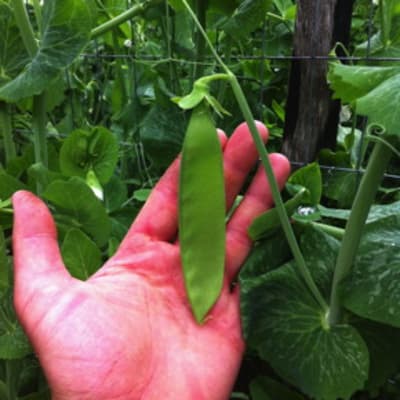
Pisum sativum (68 days) Open pollinated. Miragreen’s rich green color is matched only by the flavor of the peas themselves. As a freezer pea it has no equal. Prolific, with an average of 8.3 peas per pod.
Pisum sativum (58 days) Open pollinated. Earliest snap pea, on 2' vines. Use to start the season, and allow extra space between rows if you do not stake.
Pisum sativum (65 days) Open pollinated. Standard mid-season variety, preferred by commercial growers for heavy yields and extreme weather tolerance. 3' vines.
Pisum sativum (65 days) Open pollinated. Named for its tremendous yields borne on 3' vines. Although the pods are slow to sweeten, they develop a good pea flavor which becomes more sugary as they fill.
Pisum sativum (68 days) Open pollinated. Far tastier than dwarf varieties. 5-7' vines, need strong stakes. Pods reach superb sweetness only when completely filled.
Pisum sativum (68 days) Open pollinated. Far tastier than dwarf varieties. 5-7' vines, need strong stakes. Pods reach superb sweetness only when completely filled.
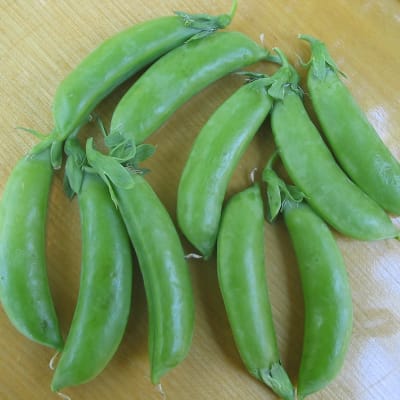
Pisum sativum (65 days) Open pollinated. Prolific Tendersweet bears 2½–3" dark green and slightly curved snap pods. Has a longer picking window than most quick and short types.
Pisum sativum var. arvense Annual legume. Also called Forage Peas. Great as weed-smothering workhorse soil builder, or a tasty and highly digestible forage. Likes cool moist conditions. Will grow in most soil types.
Lathyrus latifolius Open pollinated. The traditional English cottage sweet pea. Shades of rose, white and pink in big clusters. Good cutflowers. Climbs 6'.
This dynamic cover crop duo has become a favorite of growers who value its vigorous growth and soil-building prowess, along with the assurance that it will winterkill up North.
Vigna unguiculata (65 days shell, 90 days dry) Open pollinated. Cowpeas for the North! Small white bean matures quickly. Easy-to-pick yellow pods. Beautiful yellow flowers on bushy semi-erect plants.
Cicer arietinum (105 days dry) Open pollinated. A garbanzo developed to be tolerant of cold soils and light frosts. 2' plants with ornamental flowers bear abundant two-seeded pods with black medium-sized beans.
Lathyrus odoratus Open pollinated. Oldest and among the most fragrant of all sweet peas. Deep maroon-purple upper petals with deep violet-blue lower petals. 5' vines.
Lathyrus odoratus Open pollinated. Soft primrose-cream blossoms with dark lilac bands at the edges. Long stems perfect for cutting. Lovely fragrance. 4–6' vines.
Lathyrus odoratus × L. belinensis Open pollinated. Pale mauve-pink and deeper-hued lavender-blue wings, grandiflora type, growing to 6', with 3-4 flowers per stem.
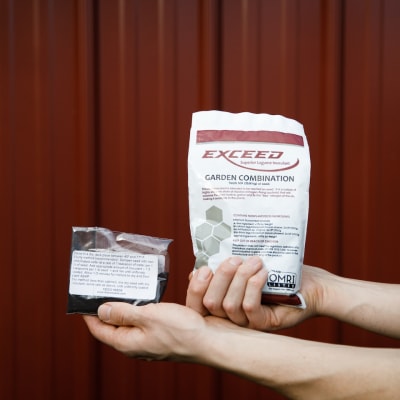
Inoculates peas, sweet peas, cowpeas, dry beans, peanuts, lentils, limas, vetch, and Sunn Hemp. We recommend using fresh inoculant each time you plant a legume.
A superior soil-building cover crop mix. The oats come up first and are pulled down by the peas, which are then pulled down by the smothering vetch. Weeds don’t stand a chance in that jungle!
Lathyrus odoratus Open pollinated. An antique striated variety. Blossoms contain subtle variations of bright reds with creamy white streakings. Heavily perfumed. Vines grow to 3'.
Lathyrus odoratus Open pollinated. Semi-dwarf 20" bush-type plants need no support, produce full-length stems. Mix includes chianti, pink, blue-violet and lavender.
Lathyrus odoratus (75 days) Open pollinated. Mixture of crimson, scarlet, white, lavender, deep rose, medium blue and pink. Long stems make ideal cutflowers. 4-6' staking variety.
Lathyrus odoratus (60 days) Open pollinated. Mix of blue, lavender, pink, purple, chocolate, orange and scarlet, streaked with white. Huge blossoms and great as a cutflower. Over 5' tall.
This mix offers organic matter production, nitrogen fixation, nutrient scavenging, erosion control, and weed suppression. Perfect for no-till growers and gardeners who work with hand tools only.
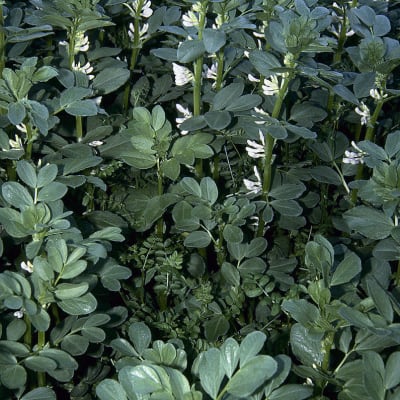
Vicia faba Annual or winter annual legume. Great for fixing nitrogen, and building large amounts of biomass. Bell beans will happily sprout in half-frozen soil, and tolerate a wide range of soil conditions.
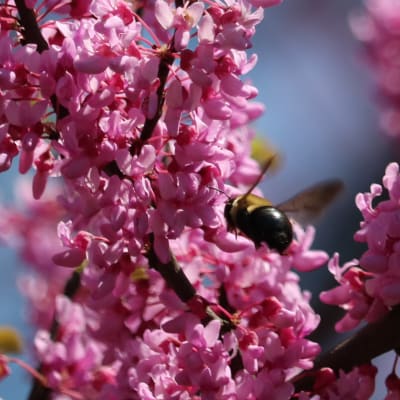
Cercis canadensis 25-30' × same. Small vase-shaped ornamental tree. Clusters of brilliant edible purplish-pink pea-like flowers fill the entire tree in spring. Z4/5.