Capsicum annuum (71 days) Open pollinated. Red 4-6" long wrinkled tapered pendent fruits. Good fresh, roasted, strung into ristras, or dried and ground. Prolific.
read more
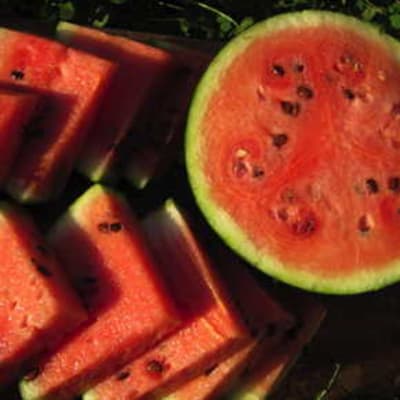
Citrullus lanatus (71 days) Open pollinated. Modern classic. Crunchy orange-red flesh. Dark green to nearly black round 4-15 lb fruit. Extra early and hardy.
read more
A superior soil-building cover crop mix. The oats come up first and are pulled down by the peas, which are then pulled down by the smothering vetch. Weeds don’t stand a chance in that jungle!
read more
Zingiber officinale (120 days) Suitable for high tunnel cultivation, even in our northern climate! Rose-tinged pearlescent skin will draw customers from yards away.
read more
A broad-spectrum preventative product made with Bacillus subtilis for the control or suppression of many important plant diseases. May be used as a drench or foliar spray.
read more
Made with thyme oil and corn oil, greenhouse tests show CannControl to prevent and eliminate powdery mildew, gray mold, mites, aphids, whiteflies, thrips and fungus gnats.
read more
High-grade mineral oil for control of powdery mildew, scale, mites and other insects on trees and vegetables. Kills mildew on contact, and protects sprayed surfaces for 10-14 days.
read more
Microscopic sharp edges cut into insects’ bodies and cause death by dehydration. Insects cannot develop resistance to this mode of action. Good for cutworm protection.
read more
Solanum tuberosum Mid-season, tan skin, yellow flesh. A lovely potato with bountiful yields. Some sources mention Austrian Crescent tubers as long as 10"!
read more
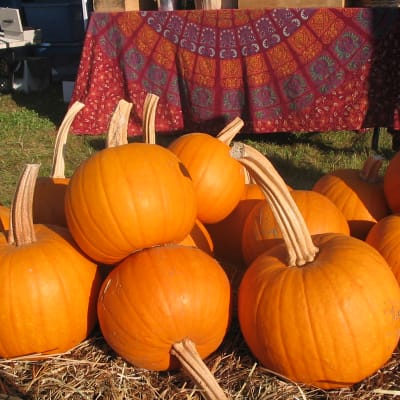
Cucurbita pepo (100 days) Open pollinated. Heirloom. 7-8 lb rich-orange globed fruit with distinct finely russeted netted skin. Excellent for pies.
read more
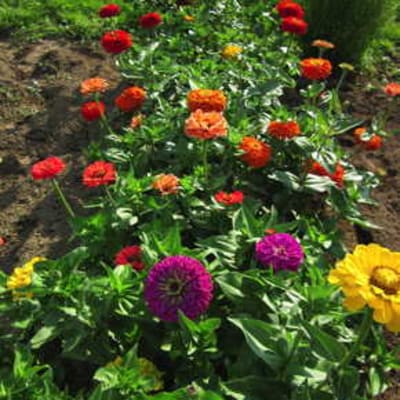
Zinnia elegans (85 days) Open pollinated. 3-4' tall and bushy blooms with masses of brilliant 4-6" double flowers in red, yellow, orange, lavender, maroon, violet and white.
read more
Molasses is a source of important nutrients, including manganese, magnesium, copper, potassium and calcium. Food grade, shelf stable. Plants and beneficial microbes have a sweet tooth, too!
read more
Malus spp. This is a twig for grafting. Late summer. From Russia, well before 1800. Known in New England as one of the very best pie apples! Extremely hardy. Scab resistant. Z3.
read more
Malus spp. Fall. Small and flavorful! Crisp, juicy, tart, tangy, spicy. Good in hard cider. Keeps till January. Precocious and productive. Z4.
read more
Ocimum basilicum (60 days) Open pollinated. Purple stems and flowers of standard Thai, but displayed upon a strong bushy umbrella form with wide and beautifully ample flowers.
read more
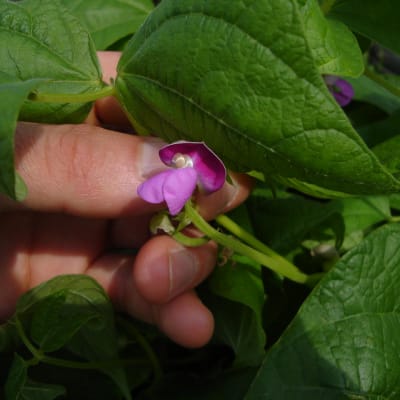
Phaseolus vulgaris (57 days) Open pollinated. 6" creamy yellow pods mottled with purple tiger stripes. Seeds are purplish brown with blue stripes.
read more
The book you need to grow apples organically. This revised and expanded version includes apple-growing basics, as well as the latest research and strategies for successful organic orchards.
read more
Full of inspiration and practical advice for gardeners and professional growers. Contains lunar and astronomical charts correlated with planting data, along with interesting articles and essays.
read more
Hardwood tomato stakes, 1"x1"x6', bundle of 25. Pointed on one end. Locally harvested and milled hardwood (either ash or oak). Walk-in sales only.
read more
Hosta 18" tall and 36" wide. Rounded heavily corrugated blue leaves with wide chartreuse margins. White flowers smoked with lavender. Holds its margin color well through the season. Z3.
read more
Iris versicolor 30-36" tall. Northeastern native species with gorgeous blue-violet flowers with bold purple veining and a white and lemon-yellow blaze. Early. Z2.
read more
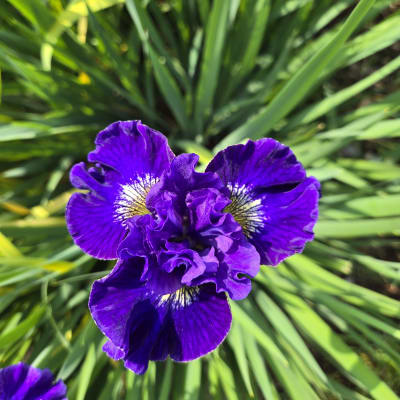
Iris sibirica 32" tall. Bred by legendary Maine hybridizer Currier McEwen in shades of creamy white with accents of yellow-green and buttery yellow. Early midseason to late. Z3.
read more
Lactuca sativa (46 days) Open pollinated. Folded and blistered light green leaves wrap into a tight crisp whorled 4" head that easily makes a single-serving salad.
read more
Lactuca sativa (42 days) Open pollinated. Popular heirloom. Early looseleaf lettuce, 16" in diameter. Large crumpled juicy light-green leaves. Will not stand heat.
read more
Liatris spicata 30-36" tall. Dreamy white flower wands above fine grass-like foliage. Blooms from July to September. Great for cutflowers. Z3.
read more
Liatris pycnostachya 40-48" tall. . North American native with tall brilliant purple wands loved by butterflies in midsummer. Great cutflowers. Z3.
read more
Liatris spicata 20-30" tall. Magenta-purple flower spikes above fine grass-like foliage. Blooms from July to September. Great for cutflowers. Z3.
read more
Cucumis melo (75 days) F-1 hybrid. Exceptionally early, reliable, and even-ripening 2½–3½ lb melons with high sugar content and rich muskmelon flavor. Favored by organic market farmers and serious melon fans.
read more
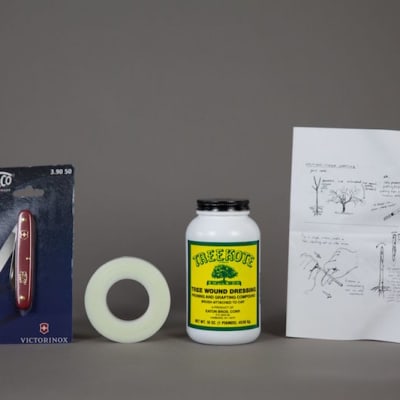
The basics you’ll need to graft fruit trees and other any woody plants. Includes: parafilm grafting tape, grafting knife, grafting compound, and illustrated instructions.
read more
Lavatera trimestris Open pollinated. Mix contains mostly pink shades and some white. Explosion of funnel-shaped blossoms on 2' tall bushy plants.
read more
Pycnanthemum virginianum 24-36" tall. Makes a tasty minty tea traditionally used to settle indigestion. Spreads readily. Densely flowered, attractive to pollinators. Native. Z4.
read more
Capsicum annuum (68 days) F-1 hybrid. Bright red 3x5" elongated 3 to 4-lobed bell. Juicy, sweet, with a hint of spiciness. Sets well, even in cool weather.
read more
Increases the life and effectiveness of pesticides by forming a sticky elastic film that holds the application in contact with leaf surfaces. Can withstand heavy rainfall. Will not clog or foam
read more
A wetting agent and spreader-sticker. Increases the longevity and effectiveness of pesticide applications and forces hydrophobic potting media (like dry peat moss) to more readily absorb water.
read more
Papaver Open pollinated. 3' tall. Mostly pink on the outer two thirds of the petal edge with a slight purple blush in the middle and on the petal backs. Double, but not a full pompon.
read more