Vitis spp. Mid. Clusters of medium-sized dark grapes with a heavy blue bloom. Our most popular seeded grape. Excellent for fresh eating, jelly and juice. Z3.
Vitis spp. Early-Mid. High-quality white wine grape imparts pineapple and grapefruit flavors with very floral characteristics. Also great for fresh eating. Z3/4.
Vitis spp. Mid-Late. Small-medium dark grapes in small to medium-sized clusters. The best variety this side of the Atlantic for a Pinot Noir-style red wine. Z3.
Vitis spp. Very Early. Large seedless blue berries good for fresh eating, juice or raisins. Resists cracking and performs well in hot wet summers. Very vigorous. Z5.
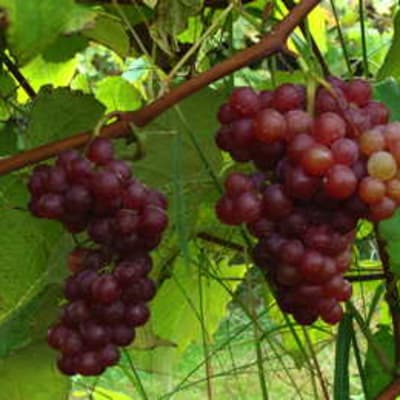
Vitis spp. Very Early. Large loose clusters of tender sweet pinkish-red grapes with a strawberry-like flavor. Good for fresh eating or juice. Stores well. Z4/5.
Hablitzia tamnoides (45 days) Open pollinated. Perennial spinach-like green. Hardy vine from the Caucasus grows 6-9' long for 2-3 months beginning very early spring. Heart-shaped attractive leaves.
Hosta Very large oval blue-green leaves, up to 16" long and 12" wide! Pale lavender flowers bloom midsummer. Foliage develops best blue color in light shade. Z3.
Hosta 18" tall and 36" wide. Rounded heavily corrugated blue leaves with wide chartreuse margins. White flowers smoked with lavender. Holds its margin color well through the season. Z3.
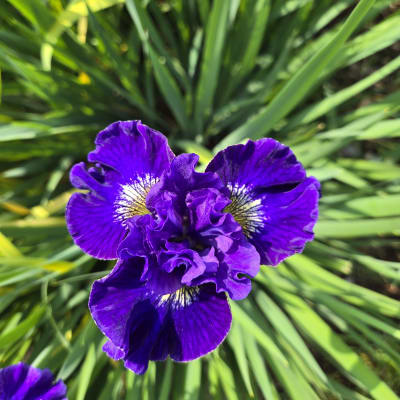
Iris versicolor 30-36" tall. Northeastern native species with gorgeous blue-violet flowers with bold purple veining and a white and lemon-yellow blaze. Early. Z2.
Iris sibirica 32" tall. Bred by legendary Maine hybridizer Currier McEwen in shades of creamy white with accents of yellow-green and buttery yellow. Early midseason to late. Z3.
Eutrochium fistulosum 4-6' tall. Dusky-rose flowers are held on beautiful wine-red stems dusted with a light purplish bloom. Adaptable to wet soils. Z4.
Brassica oleracea (gongylodes group) Green skin, white flesh. (130 days) Open pollinated. Czechoslovakian heirloom. Green kohlrabi can exceed 10" and 10 lb without getting woody. Crisp white interior is mildly tangy.
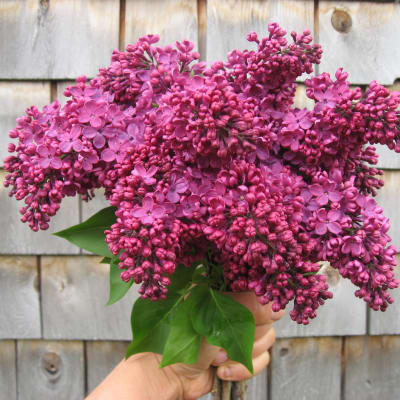
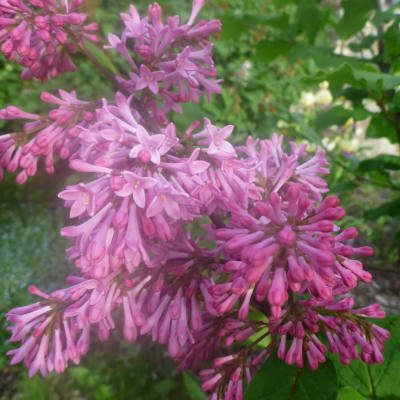
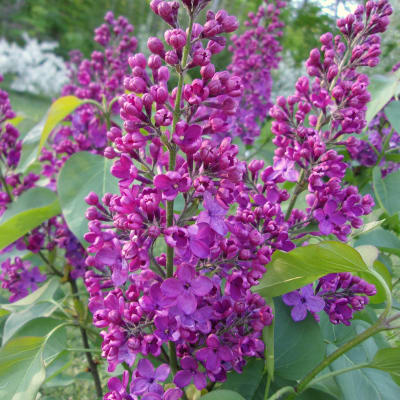
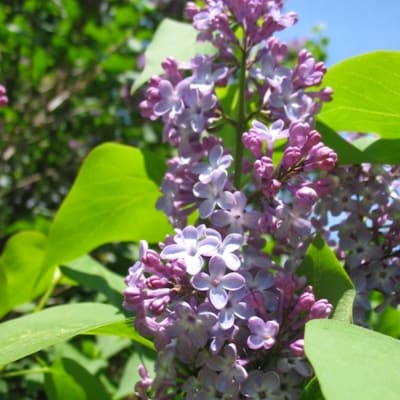
Syringa vulgaris Deep bluish-purple lilac with the biggest florets around: each single flower can reach up to 1½" wide! “So large they hang like clusters of immense grapes.” Z3.
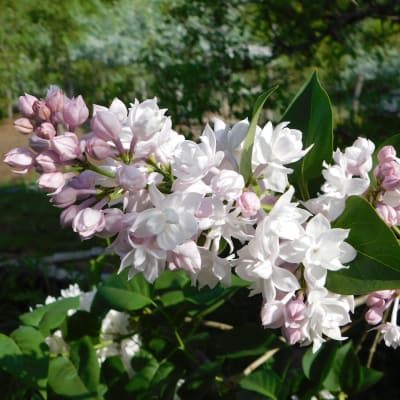
Syringa vulgaris 12x8'. Dazzling pearly lavender-pink buds open to delicate double light pink-shaded white flowers tinged with lavender. Long bloom period. Z3.
Syringa × tribrida 6-9' x same. Masses of dark reddish-pink buds open to lovely fragrant single deep pink blossoms after most other lilacs have faded. Plant as a specimen rather than in a hedge. Z3.
Syringa vulgaris 12x12'. Very fragrant large pure white double flowers in thick clusters. Slightly open wide-growing shrub. Beautiful accent for pinks and purples. Z3.
Syringa vulgaris 10' x same. Smallish clusters of exceptionally fragrant single light lavender-blue blooms. Blooms early and quits late. Can spread to form a massive shrub. Z3.
Syringa vulgaris 10' x same. Very fragrant large single reddish-purple blooms, with each petal edged in pure white. Unique and beautiful! Upright rounded open form. Z3.
Syringa vulgaris 8x8'. Among the deepest and darkest purple flowers of all lilacs. One of the best in cultivation. Large clusters of very fragrant large single florets. Provides stunning contrast with others. Z3.
Syringa vulgaris 12-15' x same. A mass of medium-light purple blooms. A magnificent New England sight for nearly 400 years. The best lilac for a spreading hedge. Z3.
Lilium This collection jumps off the silver screen into technicolor with style! A fragrant mix of 5 varieties in a classic palette of pinks and whites. Blooms in August.
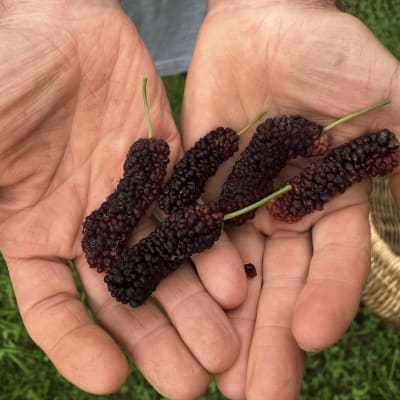
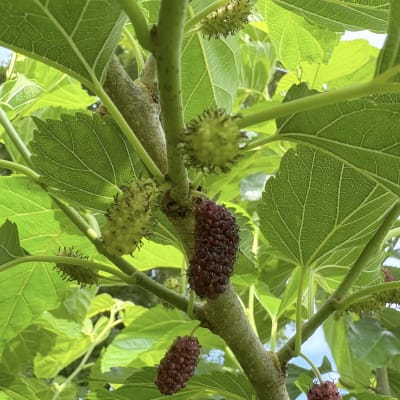
Morus hybrid 30x20' Cold hardy northern selection similar to Illinois Everbearing with larger fruit that ripens 2 weeks earlier. Very productive trees are great when you need a lot of fruit at once. Z4.
Morus hybrid 30x20'. One of the hardiest mulberries! Tasty medium-sized fruit ripens over several weeks in midsummer. Self-fruitful grafted cultivar. Its mother tree is now more than 170 years old. Z3.
Urtica dioica 3-6' tall. Young shoots are high in minerals and leaves are delicious steamed as early spring greens. Cooking removes the sting. Spreads readily; choose your site carefully. Z2.
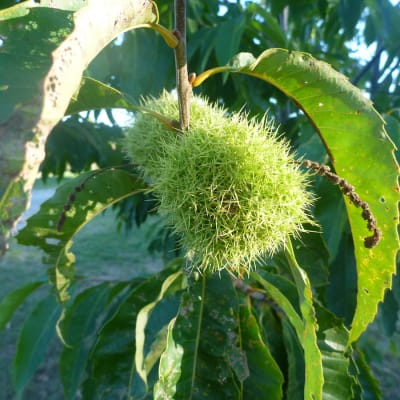
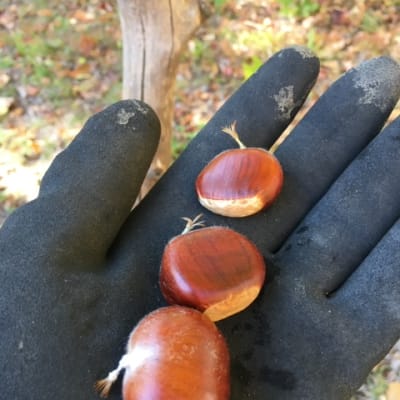
Castanea dentata Up to 100'. Once common in the eastern US. Important food source for people and wildlife. Not immune to blight but likely to thrive 10-30 years. Fast growing and precocious. Z4.
Castanea 40-60' x 30-40'. Hybrid crosses of mixed parentage. Parent trees show excellent blight resistance. Begins flowering at 3-5 years. Great flavor, high annual nut production. Z4.