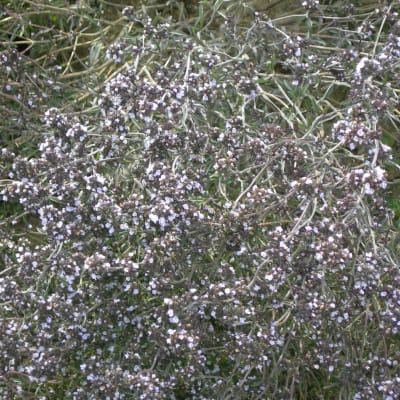
Origanum heracleoticum Open pollinated. Perennial to Zone 4, but survives some winters in Zone 3. The true culinary herb for Greek and Italian cooking. Low-growing with fragrant dull green and purple leaves and white flowers.
Pimpinella anisum (130 days) Open pollinated. White umbel flowers in July have delicate ornamental value. Seed ripens in August and September—wait until the tips of the fruits turn grey, and collect seeds before they turn black.
Agastache foeniculum Open pollinated. Perennial can grow 3' tall, 2' wide. Vigorous self-sower. Anise-scented foliage and purple flowers delightful as a tea or culinary seasoning, or filler in mixed bouquets.
Agastache foeniculum Open pollinated. Perennial can grow 3' tall, 2' wide. Vigorous self-sower. Anise-scented foliage and purple flowers are delightful as a tea or culinary seasoning, or filler in mixed bouquets.
Withania somnifera Open pollinated. Upright shrub 2' with green-to-yellow flowers ripening to red berries. Roots are dried at the end of the growing season and used internally powdered or tinctured.
Hyssopus officinalis Open pollinated. Perennial. Normally hardy to Zone 3. Beautiful aromatic perennial border plant that produces spikes of indigo flowers.
Alchemilla mollis Open pollinated. Perennial. 12-18" Bears large loose sprays of tiny greenish-yellow flowers from early summer onward. Makes a good border and ground cover in shady locations.
Spilanthes oleracea Open pollinated. Used as a ground cover in the south, it adds unusual beauty with its low growth habit and its cute yellow flowers with rayless red-orange centers.
Spilanthes oleracea Open pollinated. Used as a ground cover in the south, it adds unusual beauty with its low growth habit and its cute yellow flowers with rayless red-orange centers.
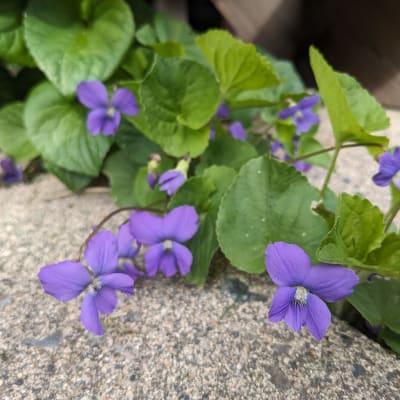
Viola sororia 6-10" tall. North American native with cheery blue-purple flowers and attractive heart-shaped leaves, all edible. Larval host plant for multiple species of butterflies. Z3.
Gaylussacia baccata 1-3' x 2-4'. Cousin of the blueberry. Less acidic, more mildly sweet flavor. Flowers in June, fruits in August. Full sun to part shade but fruits best in sun. Native to eastern U.S. and Canada. Z3/4.
Calycanthus floridus 6-10' x 6-12'. Beautiful native shrub with dark burgundy-maroon flowers and shiny leaves. Blooms early, flowers through summer. Highly fragrant. Z4/5.
Arctostaphylos uva-ursi 6-10". Low-growing evergreen groundcover. Can sprawl to 15'. Pinkish-white flowers in spring. Small red berries persist into winter. Self-pollinating. Z2.
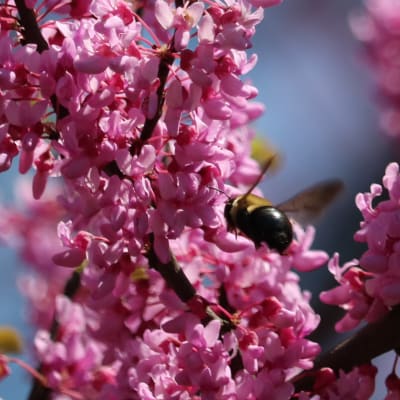
Cercis canadensis 25-30' × same. Small vase-shaped ornamental tree. Clusters of brilliant edible purplish-pink pea-like flowers fill the entire tree in spring. Z4/5.
Lindera benzoin 6-12' x 8-12'. Large rounded multi-stemmed fragrant native shrub suited to moist or wet areas. Soft-yellow flowers. Glossy red edible berries. Z5.
Clethra alnifolia 4-5' x same. Red buds and beautiful spires of heavenly scented deep-pink flowers appear for 6 weeks in midsummer. Erect oval habit. Z3.
Gaultheria procumbens 6-10". Aromatic evergreen native groundcover. Glossy dark green leaves. Bell-shaped white flowers in June. Vivid red berries. Self-pollinating. Z3.
Hamamelis virginiana 8-20' x same. Small fall-flowering tree or large shrub. Brilliant golden-yellow fall color. Quirky yellow flowers in November. Z3.
Cydonia oblonga Golden yellow skin, light yellow flesh. 10-25'. Oblong furrowed pear-shaped fruit with golden-yellow skin and mild light yellow flesh. Pink flowers. Good keeper. Ripens late summer to early fall. Z4/5.
Ranunculus 12-16" tall. All pink as a stand-alone set, or to mix with the pure whites, or any bunch of garden flowers. Folks will ask where you bought your arrangement.
Rosa gallica 2-4' x 3-4'. Low-growing rose with strongly scented double flowers. Crimson buds open pink and gradually turn violet then soft silvery grey. Nearly thornless. Z4.
Rosa gallica 5x5'. Classic old garden rose with large deep pink strongly aromatic flowers. Jaw-dropping beauty! Petals hold on in bouquets. Robust, hardy, easy to grow. Z4.
Rosa centifolia 4-5' x same. Gorgeous fragrant crimson double blooms, loaded with flowers June-July. Tiny globular glands on calyx and sepals looks like moss! Z4.
Rosa rugosa 4-5' x 5-6'. Large clusters of loose double fuchsia flowers with spicy fragrance. Vigorous wide-spreading habit. Large hips. Disease resistant. Z4.
Rosa carolina 2-4' x 5-10'. Single light pink 5-petaled flowers emerge May-June. Small red hips in fall. Found along streams, roads and open woods throughout New England. Full sun to partial shade. Native. Z2.
Salvia azurea 3-5' tall. North American native with delicate spires of sky-blue tubular double-lipped flowers and sweetly scented foliage. Incredible in mixed bouquets. Blooms from August to October. Z4.
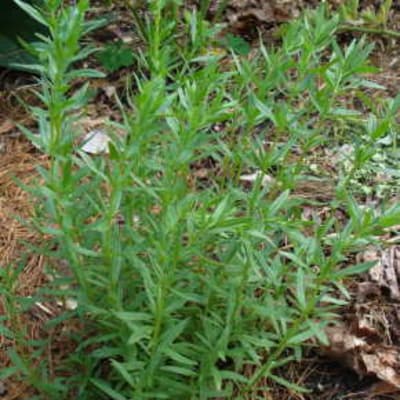
Satureja hortensis (70 days) Open pollinated. Annual grows to 1½' with narrow dark green leaves and lavender flowers. Cut often during growing season, before blossoms appear.
Sick and tired of poor yields from your container-grown cannabis or hemp? Ahoy, matey, this flowering and fruiting mix is for you! Also great for tomatoes and other vegetables, flowers or houseplants.
Great for filling their raised beds or large containers Coarser than potting mixes, and formulated as a complete soil for organic cultivation of woody plants, shrubs, herbs, vegetables and flowers.
Scutellaria lateriflora Open pollinated. Native spreading 1–2' perennial with numerous small blue flowers. Also known as Virginia Skullcap. Herbalists use it for headaches and insomnia.
These shears have straight blades with slightly rounded tips, which prevent damage to fruiting and vining crops, herbs and flowers. Carbon steel blades have a chromium coating to stop corrosion.
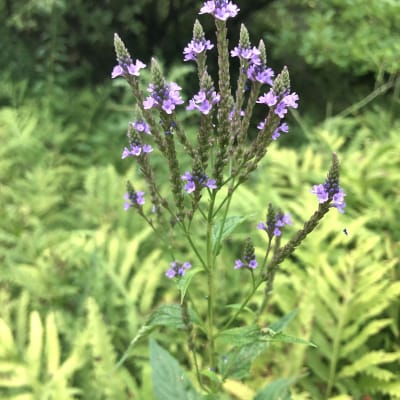
Verbena hastata 5-7' tall. Elegant tall branching spikes of vibrant blue-purple flowers. Attractive to pollinators. Used as a nervous-system tonic and mild sedative. Full sun. Native to North America. Z3.