Galvanized metal limb spreaders are more durable than the plastic versions. Use them to establish optimal crotch angles on young tree branches. Bundle of 12 spreaders in four sizes.
read more
Galvanized metal limb spreaders are more durable than the plastic versions. Use them to establish optimal crotch angles on young tree branches. Bundle of 12 spreaders in four sizes.
read more
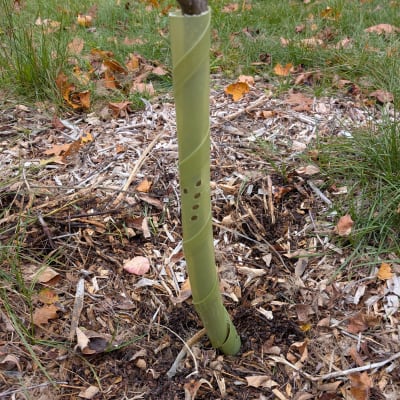
24" high spiral plastic guards protect tree trunks from mice and voles in the winter. Can be cut with scissors to customize height on very small trees, or use more than one to wrap wider trees.
read more
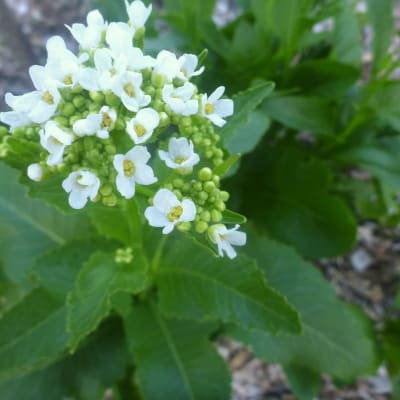
Silybum marianum Open pollinated. Named for the bold white splashes on its glossy leaves, said to be from Mary’s milk. Fast-growing 3-5' annual with leaves up to 8x24".
read more
Granular formulation of 10% castor oil in a base of fuller’s earth to deter, or gradually drive away, burrowing mammals like moles, voles, and groundhogs. One bag protects up to 5000 square feet
read more
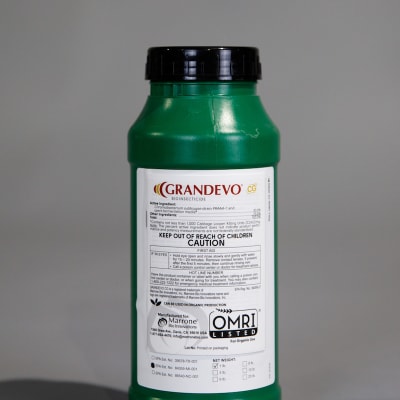
Tiny particles of kaolin clay prevent insects from recognizing their targets, and, if they land, inhibit their access to the plant’s surface and cause irritation and excessive grooming.
read more
Reduces plant damage from sucking and chewing insects including Colorado potato beetle larve. Faster-acting than most biological products: stops feeding activity within one minute of exposure.
read more
Spinosad is selectively active on a broad range of insects including caterpillars, flies, and some beetles, as well as sawflies, wasps, and, alas, bees. For home use only. Please apply with caution.
read more
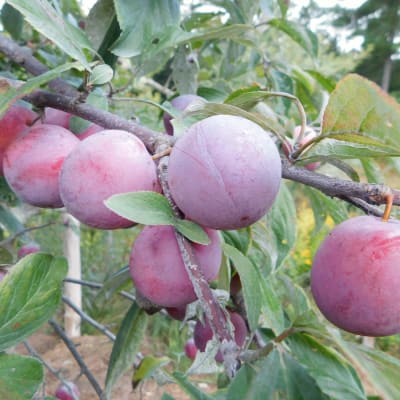
Prunus spp. Mid-late summer. Large red-purple plums with translucent yellow-orange tart flesh. Clingstone. Good fresh eating or canning. Bears reliably. Z3.
read more
Solanum tuberosum Mid-season, buff skin, white flesh. Smooth glossy skin and uniform tuber shape and size. Starchy texture is ideal for baking, mashing, fries and homemade chips.
read more
Cydonia oblonga 10-25'. Hardy Russian quince bred for disease resistance. For jellies and cider, stews and marmalades. Citrusy, fragrant with an orangey-pink hue. Z4/5.
read more
Cydonia oblonga 10-25'. Oblong furrowed pear-shaped fruit with golden-yellow skin and mild light yellow flesh. Pink flowers. Good keeper. Ripens late summer to early fall. Z4/5.
read more
Raphanus sativus (55 days) Open pollinated. Miniature daikon, 6-9" long by 1-3" wide. White with green shoulders. Lime-green flesh. Excellent storage.
read more
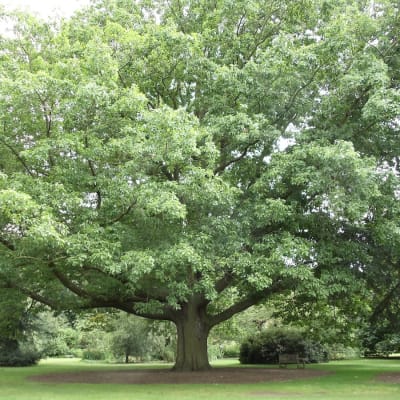
Quercus rubra 60-75' x 45'. The most common oak in northern New England. Magnificent open rounded crown. Fast growing. Tolerant of different conditions. Z4.
read more
Maclura pomifera 35-60' x same. Long-lived native shade tree. Strong orange rot-resistant wood. Great for fences or hedges. Strange grapefruit-sized fruits inedible for humans. Seed collected in Maine. Z4.
read more
Salix pendulina f. salamonii 50x50'. The classic weeping willow. Very large majestic graceful wide-spreading tree with golden drooping branches. Attracts loads of pollinators. Z3.
read more
Antirrhinum majus (110 days) F-1 hybrid. A marvelous assembly of our favorite pinks and purples from the Potomac Snapdragon series. All colors mature at the same time and have impressively sturdy stems and a long vase life.
read more
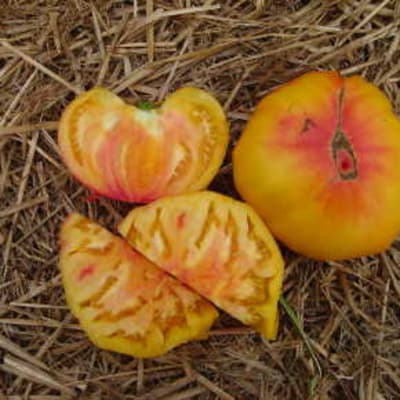
Solanum lycopersicum (85 days) Open pollinated. Striped 1 lb irregular fruits. Yellow and red marbled flesh, silky smooth with complex low-acid fruity sweetness.
read more
Dicentra formosa 14-20" tall. Heart-shaped blossoms in late spring. With good moisture, the lacy foliage look nice all season. Full to dappled shade. Z3.
read more
Vitis spp. Early-Mid. High-quality white wine grape imparts pineapple and grapefruit flavors with very floral characteristics. Also great for fresh eating. Z3/4.
read more
Actinidia arguta Female. Also called Ananasnaya. Tangy and sweet pineapple-like taste. Heavy yields are late to ripen. Requires Meader male for pollination. Z4.
read more
Lactuca sativa (49 days) Open pollinated. Unique Butterhead/Romaine combination with ruffled savoyed leaves dappled red and green. Very crisp and buttery.
read more
Chelone glabra 2–4' tall. Native wildflower blooms late along with the asters. A final feast for the bumblebees. Prefers moist soil, dappled light. Z4.
read more
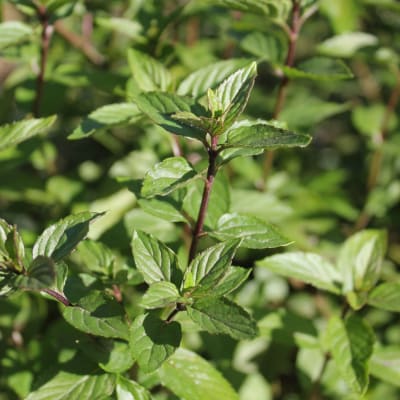
Mentha piperita 18-24" tall. Our favorite mint! Bright refreshing peppermint-patty flavor. Freshen your breath, settle your stomach and scent soaps and salves. Z4.
read more
Calycanthus floridus 6-10' x 6-12'. Beautiful native shrub with dark burgundy-maroon flowers and shiny leaves. Blooms early, flowers through summer. Highly fragrant. Z4/5.
read more
Cape Gooseberry - Tomatillos and Husk Cherry Seeds
Physalis peruviana (115 days) Open pollinated. Yellow fruits the size of cherry tomatoes on bushes 3-4' tall and wide. Tropical flavor; coconut, pineapple, citrus.
read more
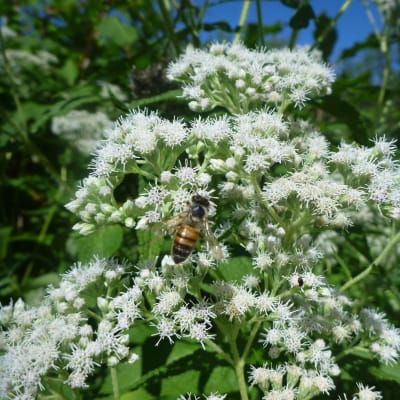
Eupatorium perfoliatum 5-7' tall. Flat-topped clusters of white to lavender flowerheads. Stimulates the immune system. Fetching addition to the perennial border. Z3.
read more
Aquilegia canadensis 12-24" tall. This eastern North American native features delicate red-spurred sepals with yellow petaled skirts. Blooms late May to early June. Irresistible to hummingbirds! Z3.
read more
Cornus amomum 8-12' x same. Large rounded long-limbed shrub. Effective for erosion control, wildlife or pollinator habitat. Maroon bark visible in winter. Suckers and spreads. Native to eastern U.S. Z4.
read more
Sempervivum Low-growing rosette-forming succulents produce runners and babies. Drought and heat tolerant. Cold-hardy too! Colorful mix of reds, greens and purples. Z3.
read more
Gaultheria procumbens 6-10". Aromatic evergreen native groundcover. Glossy dark green leaves. Bell-shaped white flowers in June. Vivid red berries. Self-pollinating. Z3.
read more
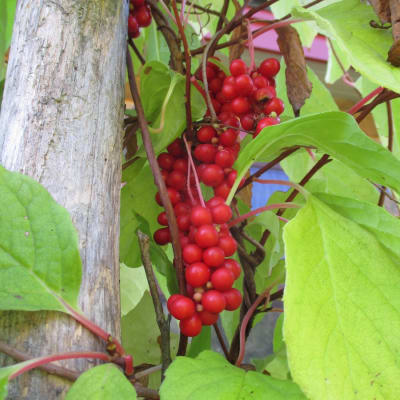
Schisandra chinensis 20' or taller. Ornamental vines produce flavorful medicinal berries. Adaptogenic fruit used to build the immune system and rejuvenate the body. Z4.
read more
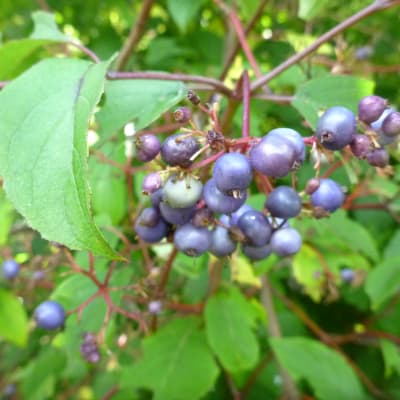
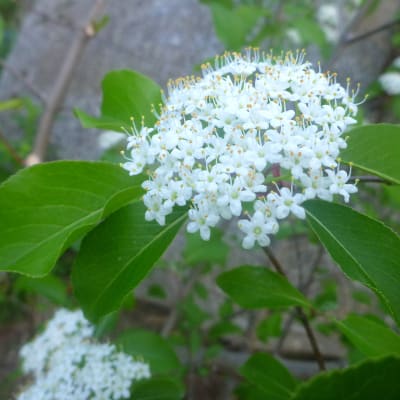
Viburnum prunifolium 12-15' x 8-12'. Rounded shrub with creamy white cymes in early spring. Suckering habit, but can be pruned. Bluish-black edible fruit clusters in fall. Z3.
read more