Malus spp.This is a twig for grafting. Winter, red-washed and striped skin. Medium-sized dessert apple is hard, crisp, juicy and sweet. One of the best keepers. Blooms late. Z3.
Malus spp.This is a twig for grafting. Fall, russeted yellow skin. From an ancient tree in Waterville, ME. Sweet with little acidity, excellent for cider and sauce. Z4.
Malus spp.This is a twig for grafting. Fall, purplish red-blushed skin, white flesh. Medium-sized, very juicy aromatic white flesh. Crisp with rich sweet flavor. Excellent fresh eating. Vigorous tree. Z4.
Malus spp. Fall, red skin. The most important apple in the Northeast. Delicious and aromatic. All-purpose. Annual bearer. Very susceptible to scab. Z4.
Malus spp.This is a twig for grafting. Fall, red skin. The most important apple in the Northeast. Delicious and aromatic. All-purpose. Annual bearer. Very susceptible to scab. Z4.
Malus spp.This is a twig for grafting. Fall, russeted green-yellow skin. Medium-small russet fruit with a longtime reputation as one of the very best dessert apples. Superb fresh eating. Keeps fairly well, still crunchy in January. Z3.
Malus spp.This is a twig for grafting. Late summer, red skin. 20x30' White single flowers on large somewhat weeping tree. Red-blushed roundish 1½-2" fruit good for cooking and cider ripens late summer. Z4.
Malus spp. Winter, russeted greenish bronze skin, white flesh. Excellent fresh eating. Very large russeted fruit with firm white fine-grained flesh and nutty sweet-sharp flavor. Good keeper. Z4.
Malus spp.This is a twig for grafting. Winter, russeted greenish bronze skin, white flesh. Excellent fresh eating. Very large russeted fruit with firm white fine-grained flesh and nutty sweet-sharp flavor. Good keeper. Z4.
Malus spp. Late summer, red-striped skin. Medium-sized, highly-flavored fruit. Good balance of acid/sweet. Crisp and juicy fresh-eating. Stores up to seven weeks. Z3.
Phaseolus vulgaris (50 days) Open pollinated. Concentrated sets of 5-5.5" pods. High yields even in adverse conditions. A popular favorite. Purple seed.
Phaseolus vulgaris (50 days) Open pollinated. Concentrated sets of 5-5.5" pods. High yields even in adverse conditions. A popular favorite. Purple seed.
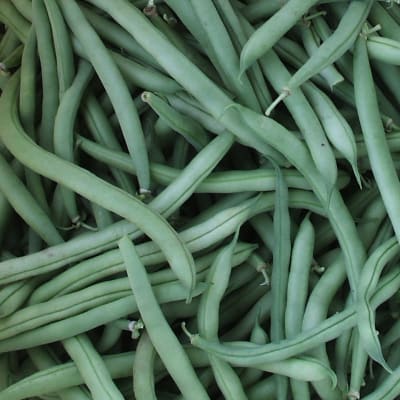
Phaseolus vulgaris (60 days) Open pollinated. Fortex begins producing early and keeps going into fall, long after others have quit. Its flavor and texture reign supreme, a distinctive nutty taste that can be enjoyed raw or cooked.
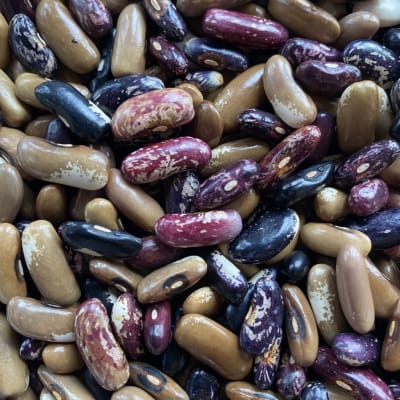
Phaseolus vulgaris (60 days) Open pollinated. Dubbed “weirdo beans,” by the student seed keepers at Troy Howard Middle School, these glorious mutts spin out a ragtag rainbow of patterns, habits and ancestral forms.
Beta vulgaris (60 days) Open pollinated. Grown for greens, not roots. Large glossy reddish-purple leaves. Holds quality in summer but best in fall and under winter cover.
Beta vulgaris (60 days) Open pollinated. Grown for greens, not roots. Large glossy reddish-purple leaves. Holds quality in summer but best in fall and under winter cover.
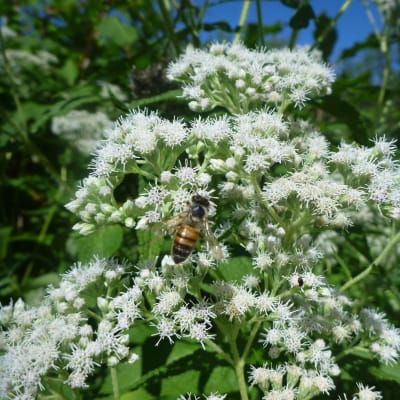
Eupatorium perfoliatum 5-7' tall. Flat-topped clusters of white to lavender flowerheads. Stimulates the immune system. Fetching addition to the perennial border. Z3.
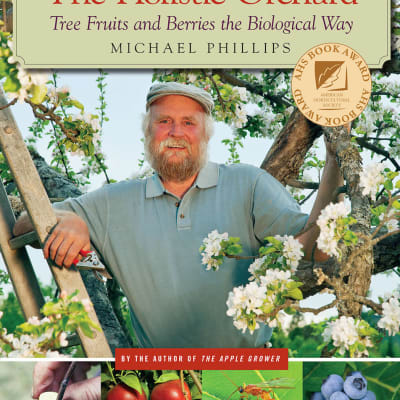
The book you need to grow apples organically. This revised and expanded version includes apple-growing basics, as well as the latest research and strategies for successful organic orchards.
Covers a wide range of crops, while addressing orchard design, dynamics and horticulture in unparalleled detail. Pruning, planting, companion planting, spraying, not spraying—it's all here!
Painted portraits of People working for Earth Justice (including 5 from Maine!), accompanied by concise biographies and framed by essays about earth justice.
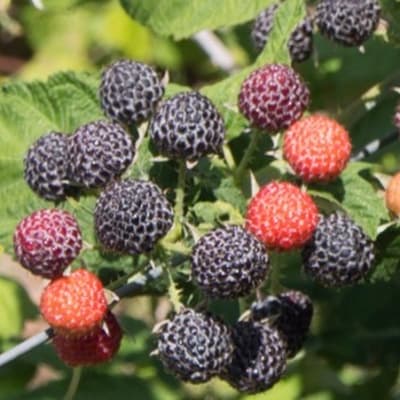
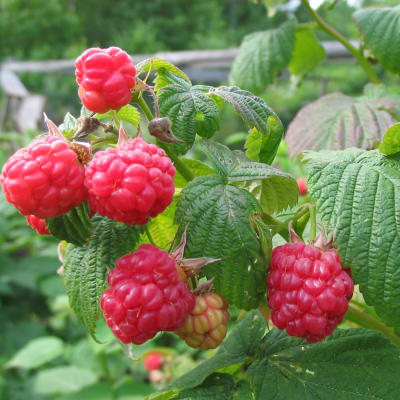
Rubus spp. Early-Mid. Round-conic medium-sized raspberries with an intense deep dark color. Strong aromatic tart flavor and perfect medium-soft texture. Z3.
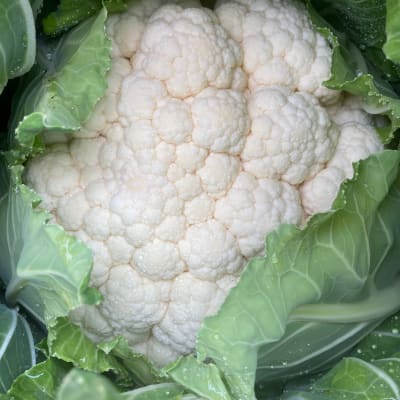
Brassica oleracea (botrytis group) (68 days) F-1 hybrid. Pastel orange uniform heads of dense curds on sturdy plants. Highly adaptable; consistently performs well in a range of conditions, including heat stress.
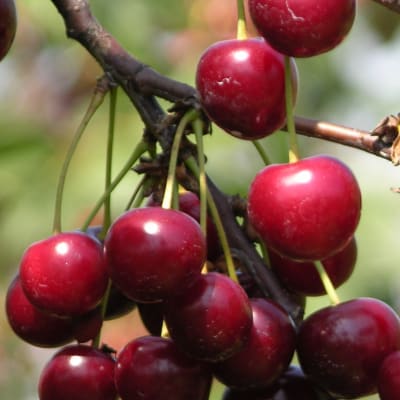
Prunus cerasus Summer, dark red skin. Very dark red-black-skinned pie cherry. Dark red flesh and juice. Recommended for pies and all other cookery. Z4/5.
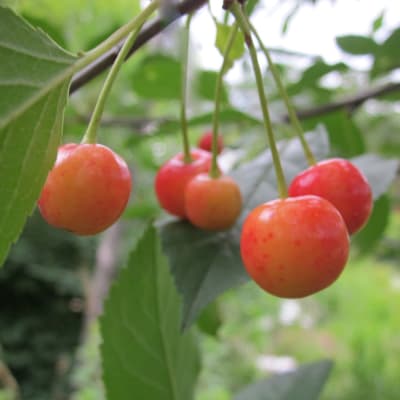
Prunus cerasus Summer, bright red skin. French heirloom. Most famous of all pie cherries. Aromatic firm-fleshed bright red fruit makes a clear light pink juice. Great for processing. Z3/4.
Picea pungens var. glauca 30-60'. Very popular specimen tree with frosty blue needles. Excellent for privacy screens, as it is fast growing after 3'. Native to western U.S. Z2.
Coreopsis tinctoria Open pollinated. Beautiful native ornamental. Provides a full palette of color from yellows and greens to rusts and browns-and even black.