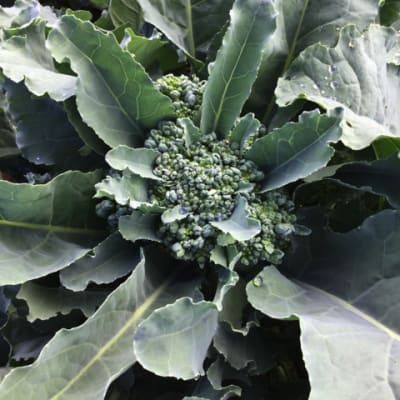
Brassica oleracea (botrytis group) (56 days) Open pollinated. Sweet stalks and stems produce succulent small green loose heads with very large beads. Abundant side shoots. Excellent flavor and heat tolerance.
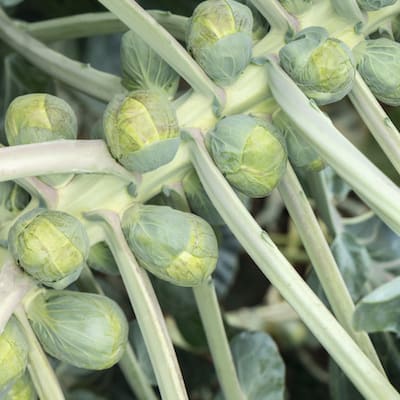
Brassica oleracea (gemmifera group) (120 days) F-1 hybrid. 1" tightly wrapped sprouts are widely spaced for ease of harvest and good air circulation. Vigorous and sturdy plants showed little aphid damage.
This design was featured on some staff-only apparel recently, and it was so well-loved that we decided to release it to the wider world on these 100% certified-organic cotton shirts.
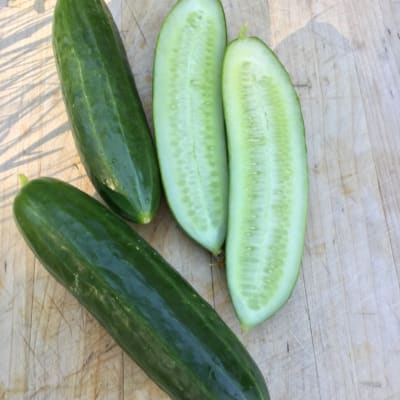
Cucumis sativus (62 days) Open pollinated. Extra-long Asian slicer. Uniform slender smooth-skinned 9-12" fruit with crisp non-bitter flesh. Excellent flavor.
Cucumis sativus (60 days) Open pollinated. Parthenocarpic pickler. Blocky, smaller than average fruit. Compact growth and small leaves. Can be grown under row cover.
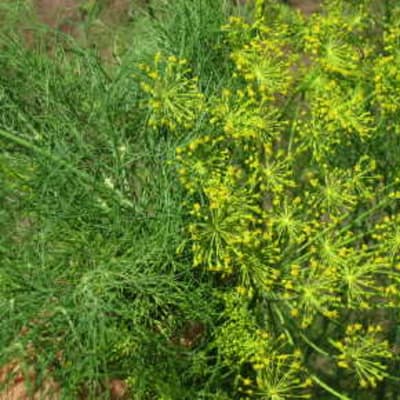
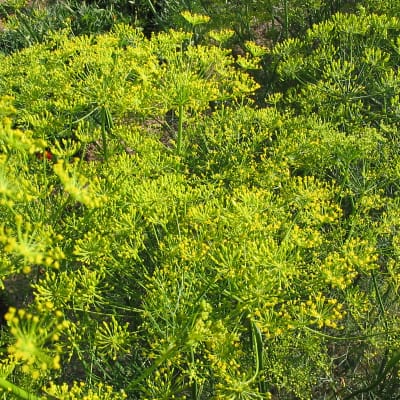
Anethum graveolens Open pollinated. Variety generally grown for its seeds. Can also be used as dill weed, but the foliage is slightly darker, coarser and stronger-tasting than that of Bouquet.
Luffa aegyptiaca Green skin. (110 days) Open pollinated. Used to make sponges and scrubbies. Also edible when harvested young. Requires a long season; start indoors.
Brassica napus (pabularia group) (55 days) Open pollinated. Cold hardy 18-28" purple and red-veined kale leaves grow frilly while remaining very tender. Good for bunches and mesclun mixes.
Brassica napus (pabularia group) (55 days) Open pollinated. Cold hardy 18-28" purple and red-veined kale leaves grow frilly while remaining very tender. Good for bunches and mesclun mixes.
Actinidia arguta Rusty red-blushed skin, green flesh. Female. Also called Ananasnaya. Tangy and sweet pineapple-like taste. Heavy yields are late to ripen. Requires Meader male for pollination. Z4.
Brassica oleracea (gongylodes group) Green skin, white flesh. (38 days) F-1 hybrid. A nicely rounded head, with rampant health and vigor. Crunch crisp texture and mild nutty sweetness.
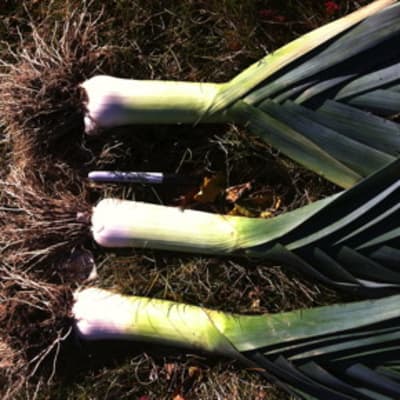
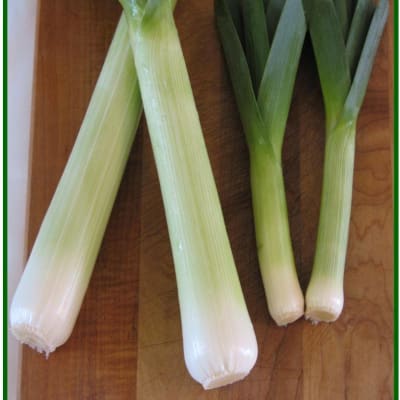
Allium ampeloprasum (porrum group) (75 days) Open pollinated. Dual-purpose "summer" leek. Direct seeded: 50 to 60 days for bunching. Or transplant for full-size August harvest.
Allium ampeloprasum (porrum group) (120 days) Open pollinated. Up to 4" across. Makes much of its growth below ground, protected from the cold; often withstands the rigors of winter to offer a delectable spring treat.
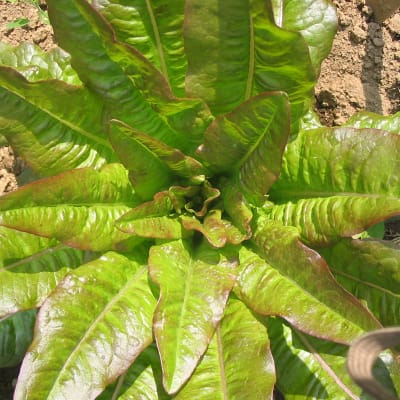
Lactuca sativa (50 days) Open pollinated. Rare. Starlike rosettes of glossy deer tongue-type leaves are tinged burgundy-red. Nutty texture and bitter-free. Very bolt resistant.
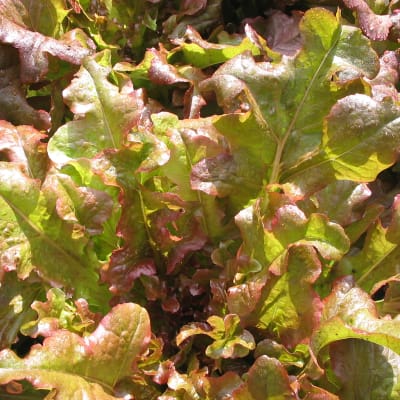
Lactuca sativa (45 days) Open pollinated. Frilly looseleaf lettuce with deeply cut pointed leaves. A standard component of salad mixes. Recommended for overwintering and cool weather.
Lactuca sativa (48 days) Open pollinated. Very large vigorous oakleaf lettuce with extra-frilled bright pink and bronze leaves. Withstands some heat. Start in early spring for an amazing show.
Allium tricoccum Open pollinated. Also called Wild Leeks. Bulb-forming perennial is a spring ephemeral. Delectable pungent flavor, a mix of garlic and onion, is true wildwood fare—worth the long wait.
Levisticum officinale Open pollinated. Perennial. Umbelliferous, attracts beneficial insects, grows 3-6' and makes a dramatic architectural element in a decorative border.
Spilanthes oleracea Open pollinated. Used as a ground cover in the south, it adds unusual beauty with its low growth habit and its cute yellow flowers with rayless red-orange centers.
Spilanthes oleracea Open pollinated. Used as a ground cover in the south, it adds unusual beauty with its low growth habit and its cute yellow flowers with rayless red-orange centers.
Stevia rebaudiana (100-120 days) Open pollinated. Stevia is several hundred times sweeter than sugar, and is used fresh, dried, powdered or in a liquid as a sugar substitute.
 Piracicaba Non-Heading Broccoli - OrganicSeedsunavailable,