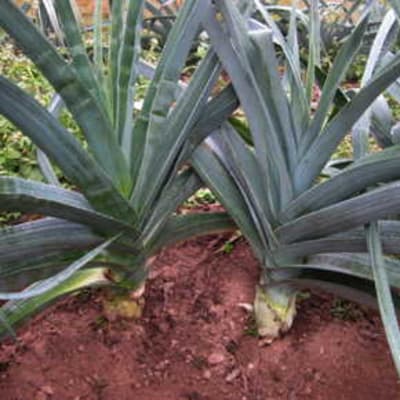
Allium ampeloprasum (porrum group) (84 days) Open pollinated. 6" tall, 3" thick shanks. Blue-green leaves. Very cold tolerant. A good candidate for overwintering.
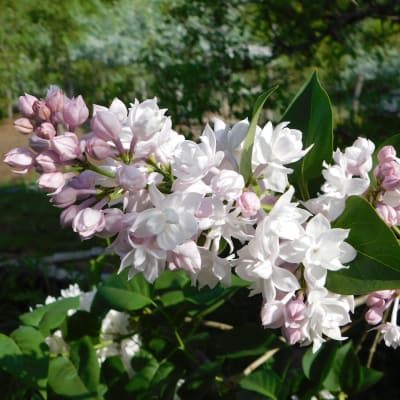
Syringa vulgaris 12x8'. Dazzling pearly lavender-pink buds open to delicate double light pink-shaded white flowers tinged with lavender. Long bloom period. Z3.
Tropaeolum minus (60 days) Open pollinated. Named for the dessert. Primrose-cream blossoms with pearly red centers. Sets abundant blooms above compact lily-pad foliage.
Coix lacryma-jobi (100 days) Open pollinated. Sets pendulous sprays of globular pearly purple-grey seeds, which may be strung as beads for necklaces. Spiky 2–3' stalks good for planters or as filler in dried fall arrangements.
Ammobium alatum (75 days) Open pollinated. Shimmery ½" pearl-like buds on long stems add a studded silvery sparkle to both fresh summer arrangements and to dried bouquets and wreaths.
Cephalanthus occidentalis 6-10' x 8'. Loose rounded branchy shrub with masses of ornamental blooms that appear 4–6 weeks in summer. Attractive to pollinators. Z4.
Clethra alnifolia 4-5' x same. Red buds and beautiful spires of heavenly scented deep-pink flowers appear for 6 weeks in midsummer. Erect oval habit. Z3.
A soluble copper fertilizer combined with a fatty acid that controls most fungal diseases of plants and vegetables. Start treatment with copper before symptoms appear.
Tiny particles of kaolin clay prevent insects from recognizing their targets, and, if they land, inhibit their access to the plant’s surface and cause irritation and excessive grooming.
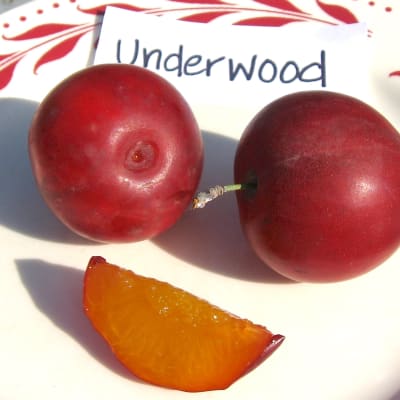
Prunus spp. Midsummer, dull red skin, golden yellow flesh. Medium-to-large 2" dull red fruit. Firm sweet juicy golden-yellow semi-freestone flesh, very good for eating and cooking. Z3.
Solanum tuberosum Very early season, buff skin, yellow flesh. For keeping it classic, you can't beat Yukon Gold's tasty butter flavor and marketable appearance.
Solanum tuberosum Very early season, buff skin, yellow flesh. For keeping it classic, you can't beat Yukon Gold's tasty butter flavor and marketable appearance
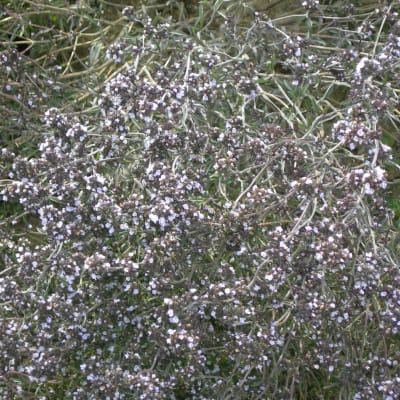
Satureja hortensis (70 days) Open pollinated. Annual grows to 1½' with narrow dark green leaves and lavender flowers. Cut often during growing season, before blossoms appear.
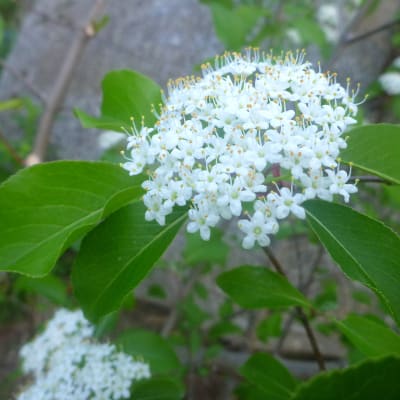
Viburnum prunifolium 12-15' x 8-12'. Rounded shrub with creamy white cymes in early spring. Suckering habit, but can be pruned. Bluish-black edible fruit clusters in fall. Z3.
Cucurbita maxima Dark green skin. (95 days) F-1 hybrid. Consistency, productivity and appearance. 4-5 lb, 4 fruits per plant, prominent grey button. Delivers superb flavor and yield.
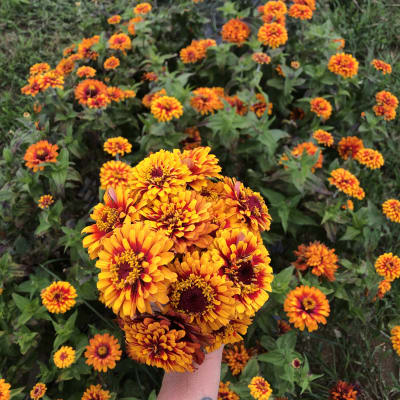
Zinnia elegans (95 days) Open pollinated. Crimson-centered flowers with petal edges that appear dipped in gold. Reliable, long vase life, easy to grow. An excellent replacement for Zowie!
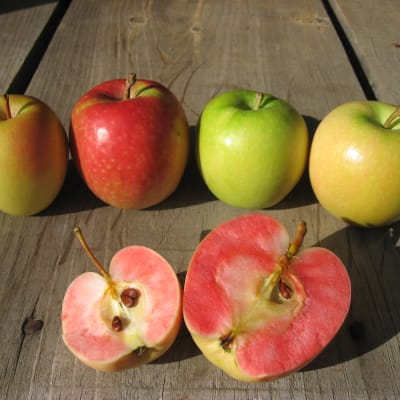
Malus spp.This is a twig for grafting. Fall, greenish yellow skin, deep salmon flesh. Beautiful deep pink flesh. Medium-sized fruit good for fresh eating and simply admiring! Z4.
Malus spp.This is a twig for grafting. Winter, red skin. Classic all-purpose Vermont heirloom. Large dark red striped fruit. Mild subacid flavor, moderately juicy and crisp. Z3.
Malus spp. Winter, deep purple skin, greenish white flesh. Uniquely dark fruit with well-balanced flavor. Excellent pies and cider. Maine heirloom. Best eating late Dec. to March. Great keeper. Z4.
Malus spp.This is a twig for grafting. Winter, deep purple skin. Uniquely dark fruit with well-balanced flavor. Excellent pies and cider. Maine heirloom. Best eating late Dec. to March. Great keeper. Z4.
Malus spp.This is a twig for grafting. Fall-winter, russeted gold skin. Small to medium-sized high-flavored russet apple. Excellent dessert quality. Tender, rich, crisp, flavorful. Also makes good cider. Stores till January. Z4.
Malus spp.This is a twig for grafting. Fall, russeted orange skin. Ancient French dessert apple with a strong fruity sweet-tart flavor. Cold hardy, productive and resistant to scab. Blooms late, so good for avoiding spring frosts. Z4.
Malus spp. Fall, red-blushed and striped skin. Crisp flesh with balanced sweet-tart flavor. Good fresh eating and great dried apples. Stores into the winter. Disease resistant. Z4.
Malus spp.This is a twig for grafting. Fall, red-blushed and striped skin. Possible Red Delicious seedling with a similar shape but a superior eating experience! Crisp flesh and balanced sweet-tart flavor. Good fresh, great dried. Stores into winter. Z4.
Malus spp.This is a twig for grafting. Fall, russeted lime green skin, slightly yellow flesh. Large, distinctive “cathead” shape. Mild, moderately crisp, moderately tart and subtle. All-purpose; excellent for cooking, especially sauce. Z4.
Malus spp.This is a twig for grafting. Winter, red-washed and striped skin. Medium-sized dessert apple is hard, crisp, juicy and sweet. One of the best keepers. Blooms late. Z3.
Malus spp. Fall, red skin. The most important apple in the Northeast. Delicious and aromatic. All-purpose. Annual bearer. Very susceptible to scab. Z4.
Malus spp.This is a twig for grafting. Fall, red skin. The most important apple in the Northeast. Delicious and aromatic. All-purpose. Annual bearer. Very susceptible to scab. Z4.
Malus spp.This is a twig for grafting. Fall, russeted green-yellow skin. Medium-small russet fruit with a longtime reputation as one of the very best dessert apples. Superb fresh eating. Keeps fairly well, still crunchy in January. Z3.
Malus spp. Late summer, red-striped skin. Medium-sized, highly-flavored fruit. Good balance of acid/sweet. Crisp and juicy fresh-eating. Stores up to seven weeks. Z3.
Beta vulgaris (60 days) Open pollinated. Grown for greens, not roots. Large glossy reddish-purple leaves. Holds quality in summer but best in fall and under winter cover.
Beta vulgaris (60 days) Open pollinated. Grown for greens, not roots. Large glossy reddish-purple leaves. Holds quality in summer but best in fall and under winter cover.
The book you need to grow apples organically. This revised and expanded version includes apple-growing basics, as well as the latest research and strategies for successful organic orchards.
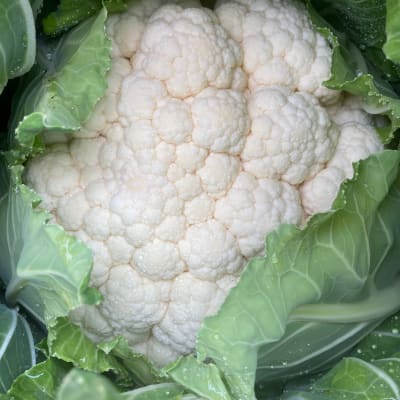
Brassica oleracea (botrytis group) (68 days) F-1 hybrid. Pastel orange uniform heads of dense curds on sturdy plants. Highly adaptable; consistently performs well in a range of conditions, including heat stress.