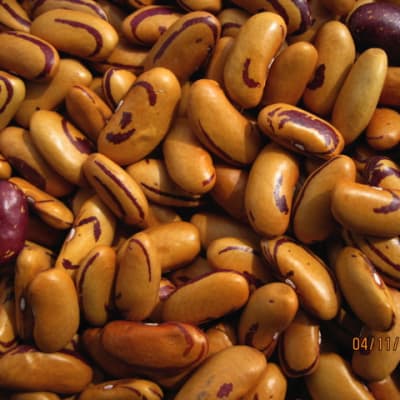
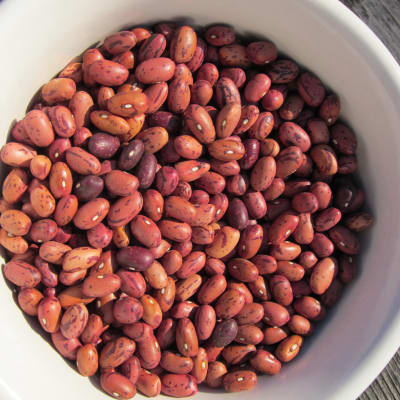
Phaseolus vulgaris (60 days shell, 85 days dry) Open pollinated. Similar in shape, color and taste to baby limas, except much easier to grow in our climate and sweeter with a buttery texture. Excellent both as a shell and a dry bean.
read more
Phaseolus vulgaris (86 days) Open pollinated. Richly flavored heirloom brown baking bean that is well adapted to our cool climate. Golden-tan seed.
read more
Phaseolus vulgaris (86 days) Open pollinated. Richly flavored heirloom brown baking bean that is well adapted to our cool climate. Golden-tan seed.
read more
Phaseolus vulgaris (85 days) Open pollinated. Dense foliage produces medium runners, lavender flowers and good yields of thin delicate pods each containing 5-6 lustrous black seeds.
read more
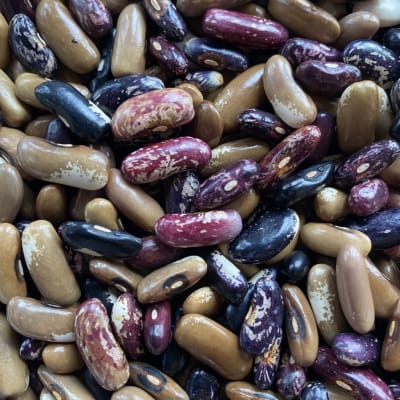
Phaseolus vulgaris (60 days) Open pollinated. Dubbed “weirdo beans,” by the student seed keepers at Troy Howard Middle School, these glorious mutts spin out a ragtag rainbow of patterns, habits and ancestral forms.
read more
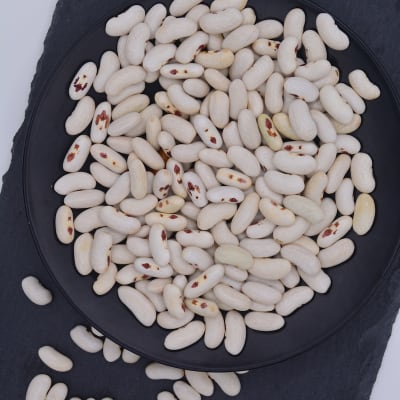
Phaseolus vulgaris (106 days) Open pollinated. Large speckled tan beans with good yields, even in stressful conditions. Creamy texture for great comfort food.
read more
Phaseolus vulgaris (106 days) Open pollinated. Large speckled tan beans with good yields, even in stressful conditions. Creamy texture for great comfort food.
read more
Phaseolus vulgaris (89 days) Open pollinated. Large white kidney bean with red-brown soldier-like figures on the eye. Popular New England bean.
read more
Phaseolus vulgaris (89 days) Open pollinated. Large white kidney bean with red-brown soldier-like figures on the eye. Popular New England bean.
read more
Phaseolus vulgaris (65 days shell, 85 days dry) Open pollinated. Among the most beautiful of all dry beans. Tender skins disappear upon cooking.
read more
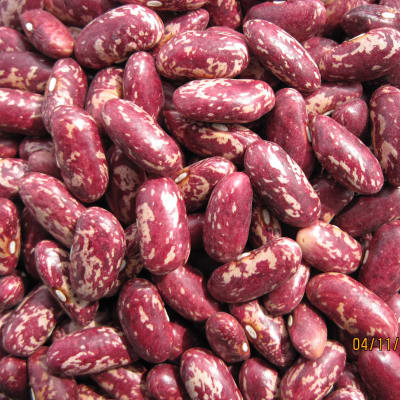
Phaseolus vulgaris (70 days shell, 95 days dry) Open pollinated. Pods contain 5-6 speckled cranberry-colored beans. Reliable and hardy heirloom.
read more
Phaseolus vulgaris (70 days shell, 95 days dry) Open pollinated. Pods contain 5-6 speckled cranberry-colored beans. Reliable and hardy heirloom.
read more
Beta vulgaris (55 days) Open pollinated. Round rose-gold beet. Zoned white-yellow raw interior cooks to light orange. Short light green tops with gold stems and veins.
read more
A blend of microorganisms and mycorrhizal fungi to prevent seed rot and enhance growth for corn, legumes, grasses, potatoes, garlic, and other veggies. Recommended if you cut your own seed potatoes!
read more
Vaccinium corymbosum Early-Mid. Excellent post-harvest color retention makes them popular for markets. Sweet and sweetly scently firm berries. Z5.
read more
The ins and outs of everything from feed sources, housing/bedding options and fencing styles, to marketing, record keeping and staying sane. All necessary details of humane and organic swine farming.
read more
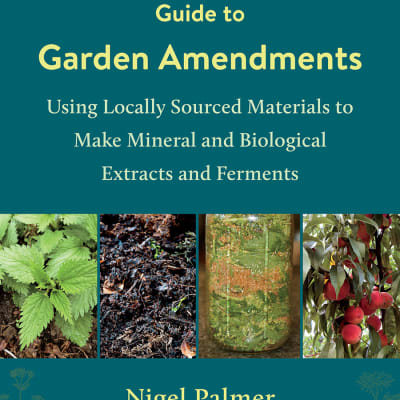
This book dives deep into the chemical and biological workings of your garden soil! Plenty of in-depth science, but also includes 12 soil amendment recipes simple enough for a layperson to follow.
read more
If thoughts of crisp carrots in March set your mouth watering, you'll love this well-illustrated tour of root cellar designs, featuring varietal selections, best storage conditions, and recipes.
read more
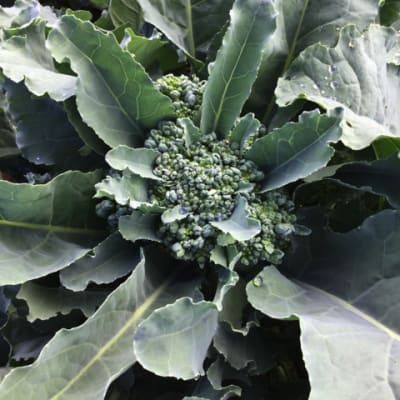
Brassica oleracea (botrytis group) (85 days) F-1 hybrid. Consistent yields of exceptionally tender, high-quality blue-green domed 8” heads with rather large beads. Tolerates some heat.
read more
Brassica oleracea (botrytis group) (72 days) F-1 hybrid. Large broad purple heads, or wait for open floret stick-type stems. Easy to harvest from tall bushy plants.
read more
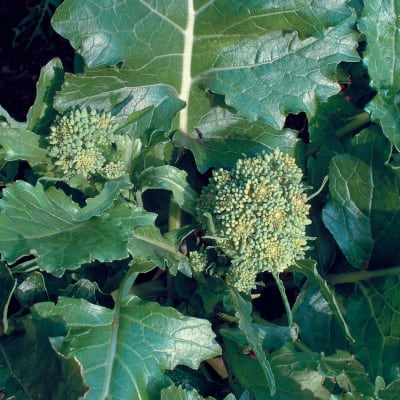
Brassica rapa (ruvo group) (40 days) Open pollinated. A non-heading version of broccoli with a more pungent flavor. Harvest young stems, leaves and small flower buds to steam, stir-fry or add to salads.
read more
Brassica oleracea (botrytis group) (56 days) Open pollinated. Sweet stalks and stems produce succulent small green loose heads with very large beads. Abundant side shoots. Excellent flavor and heat tolerance.
read more
Brassica oleracea (gemmifera group) (105 days) F-1 hybrid. Tall-stalked Divino’s plentiful very tight half-dollar-sized sprouts are dark green. Open branch architecture makes for low presence of aphids.
read more
Brassica oleracea (gemmifera group) (105 days) F-1 hybrid. Tall-stalked Divino’s plentiful very tight half-dollar-sized sprouts are dark green. Open branch architecture makes for low presence of aphids.
read more
Brassica oleracea (capitata group) (40-60 days) F-1 hybrid. Pointy-headed green cabbage, can grow up to 8-10 lbs. Excellent weather-stress tolerance.
read more
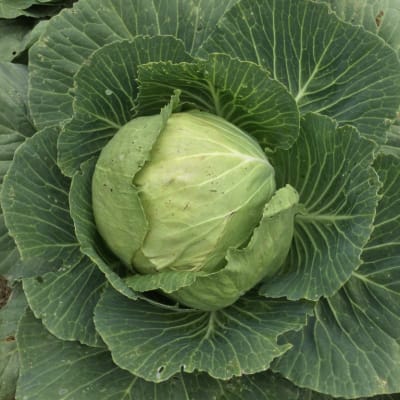
Brassica oleracea (capitata group) (80 days) F-1 hybrid. Dark green solid 4-8 lb heads hold well in weather stress. Stores well until spring.
read more
Brassica oleracea (capitata group) (100 days) F-1 hybrid. Impressive round green heads average a whopping 8–10 lb and reliably store until spring.
read more
Brassica oleracea (capitata group) (85 days) F-1 hybrid. Deep purple-red rock-hard round heads avg 4-6 lb. Excellent for long storage. Very cold hardy.
read more
Brassica oleracea (capitata group) (95 days) Open pollinated. French heirloom. Large medium-green heads average 4-6 lb. Juicy, with mild semi-sweet flavor.
read more
Brassica oleracea (capitata group) (85 days) F-1 hybrid. 2-4 lb solid slightly flattened light green heads with dark blue-green waxy wrapper leaves. Adapted to close spacings.
read more
Rubus spp. Early-midsummer. The first ever thornless black raspberry available to home gardeners! Deep black large berries are moderately firm and tightly clustered. Vigorous upright canes. Z5.
read more
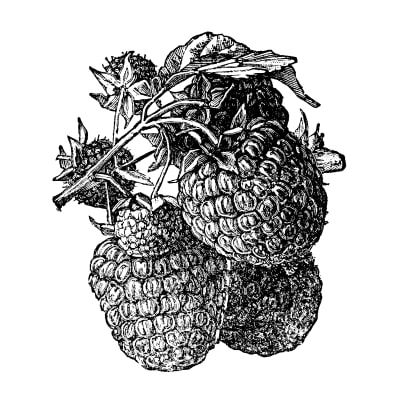
Rubus spp. Late. One of the most popular raspberries among home gardeners for being nearly thornless and for ripening late in the season. Stores well in the freezer. Highly vigorous sturdy canes. Z4.
read more
Daucus carota (55 days) Open pollinated. Early coreless translucent pinkish-orange blunt-tip roots. Mild sweetness boosted by “carrot perfume.” Upright tops good for bunching.
read more
Brassica oleracea (botrytis group) (60 days) F-1 hybrid. Short stems bear compact 1-2 lb uniform firm white tight heads with fine beads. Early, but less dense than later varieties.
read more
Brassica oleracea (botrytis group) (62 days) F-1 hybrid. This super early deep purple cauliflower with tight curds will start forming heads before than any other purple around.
read more