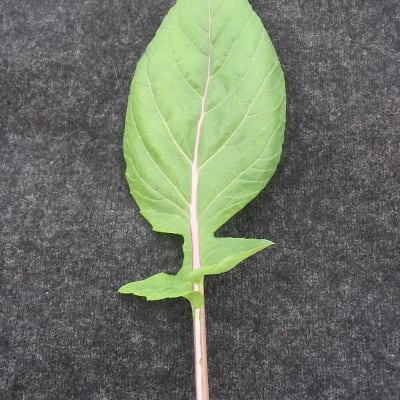
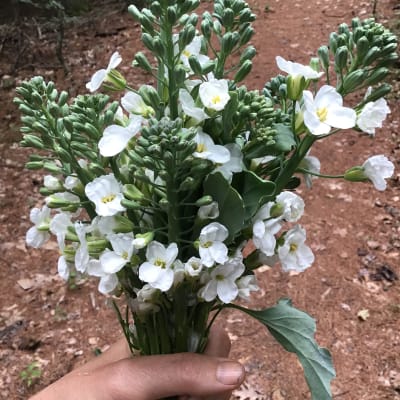
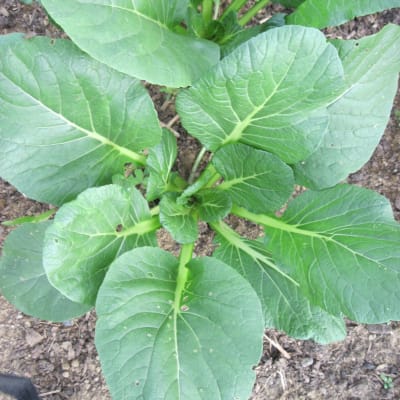
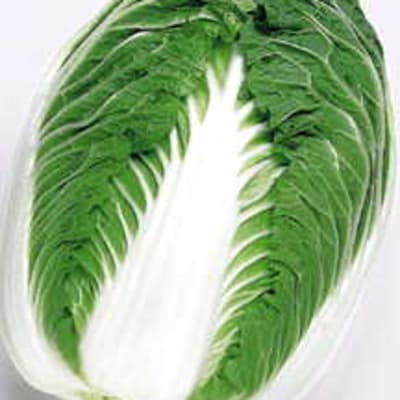
Amaranthus cruentus (65-75 days) Open pollinated. Flaunts glorious 2' chestnut-bronze to copper-colored well-branched seedheads atop its majestic 4' stalks at maturity.
read more
A blend of granite meal, sulfur, Tennessee brown rock phosphate, compost and Azomite. Reduces soil pH and provides the nutrients necessary for healthy blueberry plants and good fruit.
read more
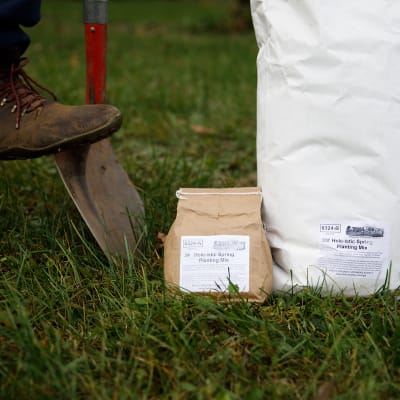
Recommended for fruit trees at planting time. Our own well-balanced blend of Tennessee brown phosphate, alfalfa meal, Azomite, and K-Mag in a humus-rich base of worm castings.
read more
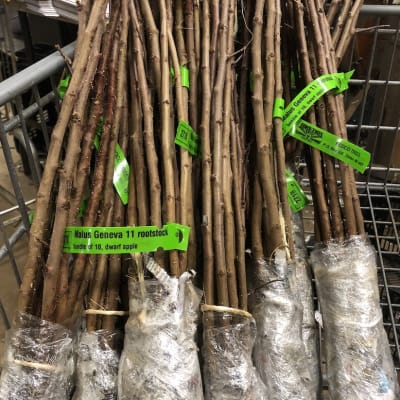
Malus spp. Also called Bud 118 or B118. Semi-dwarf apple rootstock, similar in size to M111 (about 85-90% of standard). Space trees 20-25' apart. Z3.
read more
Malus spp. This is a twig for grafting. Winter. A very tart dessert apple and a supremely wonderful midwinter pie apple. Will keep all winter in the root cellar, with peak flavor in Feb. Blooms early-midseason. Z3.
read more
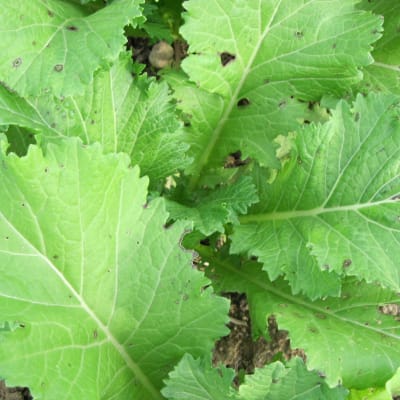
Brassica juncea (47 days mesclun, 62 full size) Open pollinated. Sweet succulent ribs and moderately pungent winter-hardy greens. Good for summer mesclun; excellent cut-and-come-again.
read more
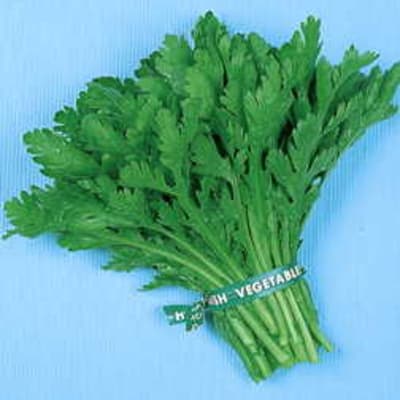
Glebionis coronaria (40 days) Open pollinated. Japanese Shungiku prized for small grey-green leaves and 3" yellow flowers, both edible. Sow in spring.
read more
Brassica rapa (37 days) Open pollinated. Produces many pencil-thick deep purple flowering shoots with pleasing mild mustard flavor. Grows best in cool weather.
read more
Brassica rapa (45 days) Open pollinated. Slow-growing 8-10" deep purple rounded leaves stand beautifully, and are mild and delectable all the way through the season.
read more
Brassica rapa (pekinensis group) (35 days) Open pollinated. Loose round chartreuse leaves, flat white stems, and blossoms, all edible. Can be cut small for mesclun. Fair bolt tolerance.
read more
Brassica rapa var. perviridis (40 days) F-1 hybrid. Productive open plant habit with delicious round medium-green leaves. Spring sowings tolerate drought and heat into fall. Can be overwintered in warm climates.
read more
Brassica rapa (narinosa group) (45 days) Open pollinated. Spoon-shaped dark green leaves in compact rosettes. Very hardy. Cut-and-come-again.
read more
Brassica rapa (narinosa group) (45 days) Open pollinated. Spoon-shaped dark green leaves in compact rosettes. Very hardy. Cut-and-come-again.
read more
Brassica oleracea (45-60 days) F-1 hybrid. Also called Chinese Broccoli. Grown for succulent stems, leaves and florets. Uses and flavor similar to broccoli. Tolerant to heat and cold.
read more
Brassica rapa (narinosa group) (21 days baby, 45 days mature) F-1 hybrid. Mild deep green tender leaves used raw or cooked. Good season extender. Excellent tolerance to heat, cold. Cut-and-come-again.
read more
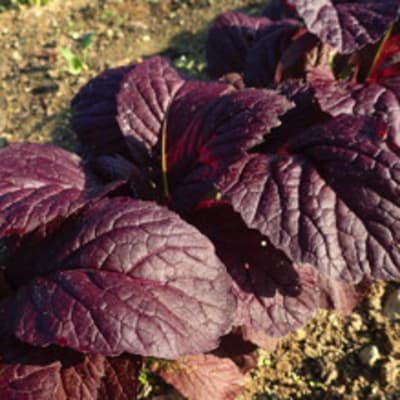
Brassica juncea (20 days baby; 45 days mature) Open pollinated. A favorite for cutting at the purple baby stage. Vibrant maroon slightly toothed leaves on lime-green stems. Good for salads or braising.
read more
Brassica juncea (20 days baby, 40 days mature) Open pollinated. Light golden-green leaves are curled and lacy, adds lift to salad mixes. Mustardy zing. Resists bolting in heat.
read more
Brassica juncea (45 days) Open pollinated. Best-adapted mustard for northern climates. Hot mustardy flavor. Will come back when cut. Slow to bolt. Can be overwintered.
read more
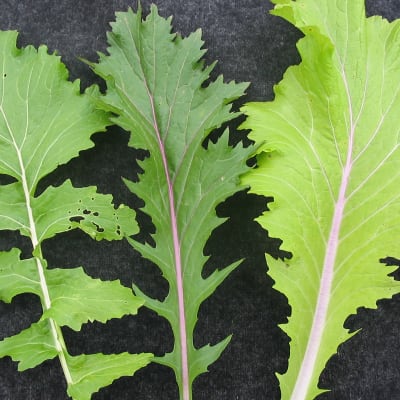
Brassica rapa (japonica group) (40 days) Open pollinated. Japanese heirloom. Deeply cut fringed leaves on slender white stalks. For microgreens, cut-and-come-again, succession plantings and baby leaf production.
read more
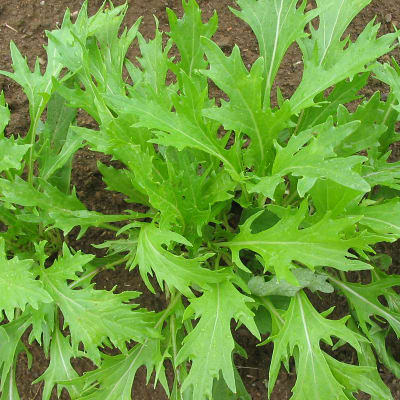
Brassica rapa (45 days) Open pollinated. Tall frilly medium-hot serrated green leaves with purple veins and shading, with nice variation among plants.
read more
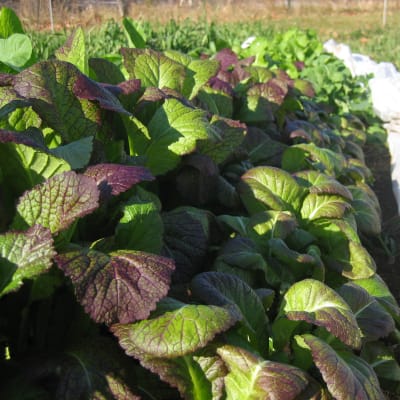
Brassica juncea (integlifolia group) (45 days) Open pollinated. Japanese heirloom. Large purple-tinted savoyed leaves. Peppery flavor. Standard mesclun ingredient. Cold tolerant.
read more
Brassica oleracea (alboglabra group) (45 days) Open pollinated. Dark green large tender leaves with just the right kind of mustardy bite. Prolific yields can be harvested at full size or as baby greens.
read more
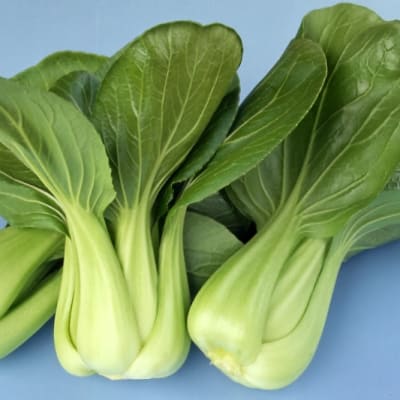
Brassica rapa (chinensis group) (45 days) F-1 hybrid. Baby pac choi with green stems, likes cool temperatures but resists bolting. Vase-shaped 11" plants have broad green petioles.
read more
Brassica rapa (chinensis group) (50 days) Open pollinated. Classy pac choi with celery-like white stems and vase-shaped 15-18" tall heads. Succulent stems and tender greens.
read more
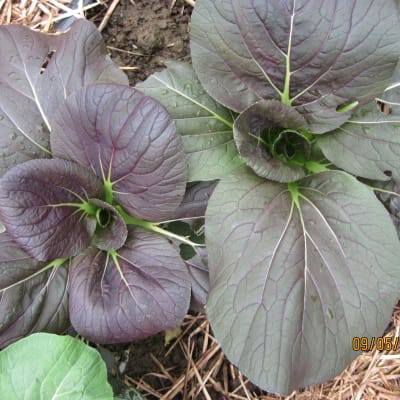
Brassica rapa (chinensis group) (48 days) F-1 hybrid. Most vigorous and darkest-hued strain. Purple leaves with green veins and stems. 8-10" heads at maturity.
read more
Perilla frutescens var. crispa (85 days) Open pollinated. Japanese heirloom. Ornamental and edible purplish-red anise-scented leaves. Used in sushi, sauces, garnishes, pickles, stir-fries, and to color umeboshi plums red.
read more
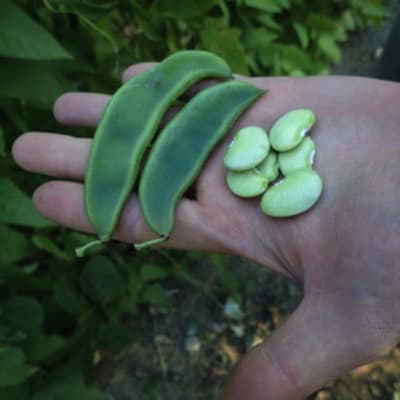
Phaseolus lunatus (103 days) Open pollinated. 18" tall. 3 tender beans per pod, grey in the shell stage and drying to buff with purple and black mottling. White flowers.
read more
Phaseolus lunatus (106 days) Open pollinated. 8" pods, dependably produces at least four large creamy white seeds per pod. Vines can grow 10'.
read more
Vigna unguiculata (65 days shell, 90 days dry) Open pollinated. Cowpeas for the North! Small white bean matures quickly. Easy-to-pick yellow pods. Beautiful yellow flowers on bushy semi-erect plants.
read more
Phaseolus vulgaris (85 days) Open pollinated. Dense foliage produces medium runners, lavender flowers and good yields of thin delicate pods each containing 5-6 lustrous black seeds.
read more
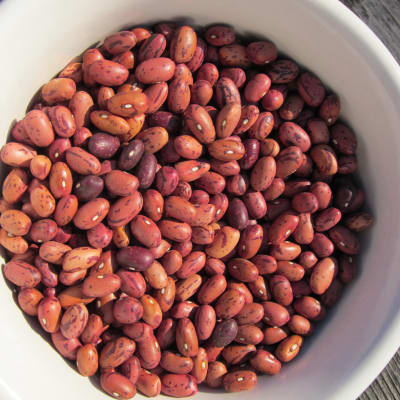
Phaseolus vulgaris (70 days shell, 95 days dry) Open pollinated. Pods contain 5-6 speckled cranberry-colored beans. Reliable and hardy heirloom.
read more
Phaseolus vulgaris (70 days shell, 95 days dry) Open pollinated. Pods contain 5-6 speckled cranberry-colored beans. Reliable and hardy heirloom.
read more
Vaccinium corymbosum Early-Midseason. 4-6' Large firm high dessert quality berries are considered the best-tasting by nearly everyone who grows highbush blueberries. Very vigorous and consistently productive. Z4.
read more
Placing emphasis on those with special health and dietary needs, Deppe covers her Golden Rules of Gardening, five essential crops you need to survive and thrive, as well as recipes and seed saving.
read more
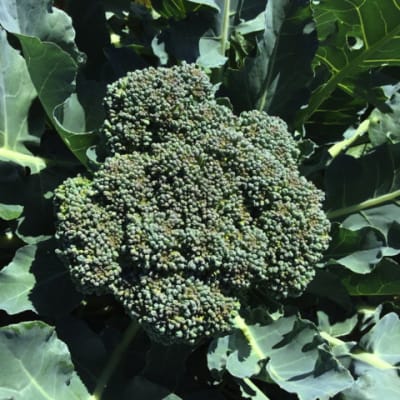
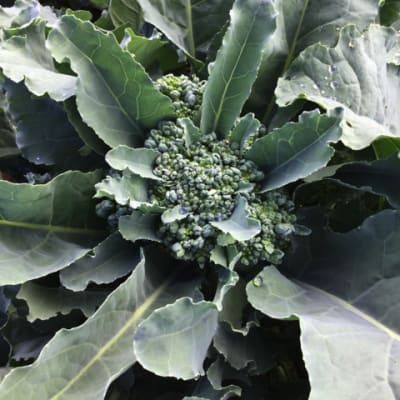
Brassica oleracea (botrytis group) (95 days) Open pollinated. Handsome uniform dark-green 5-6" heads. Abundant side shoots over a long harvest window. Ideal home-garden variety for the fall.
read more
Brassica oleracea (botrytis group) (92 days) Open pollinated. Reliable 6" heads with medium bead. No side shoot production. For fall crops only.
read more
Brassica oleracea (botrytis group) (56 days) Open pollinated. Sweet stalks and stems produce succulent small green loose heads with very large beads. Abundant side shoots. Excellent flavor and heat tolerance.
read more