A handy hanger to suspend grow lights from a cart, shelf, or other structure. The ratcheting hangers are easy to adjust to the perfect height. 75-lb load capacity.
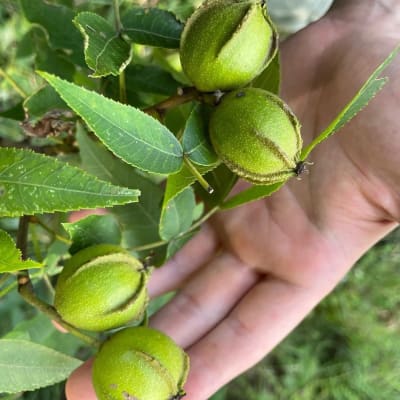
Carya cordiformis 50-80' x 30-50' Also known as Bitternut Hickory. Thin-shelled nuts can be pressed into a mild nutty cooking oil. Closely related to the pecan. Z3.
NPK: 2-5-0.2. Fish heads, bones, skin and guts finely ground and then enzymatically digested. Can be used as foliar feed. Made from wild fish scraps from the fishing industry along the Great Lakes.
NPK: 2-5-0.2. All the NPK of fish, along with the micronutrients and growth hormones of kelp. Encourages vigorous rooting. Improves plant vigor and stress resistance, increases storage life of produce
Recommended by soil gurus Phil Callahan and Mark Fulford. Lowest concentration of heavy metals of any phosphate source. Concentrations of available phosphate were regularly over 6% when tested.
Beta vulgaris (55 days) Open pollinated. Selection from heirloom. Light red exterior; interior rings of pink and white. Green tops. Exceptional sweetness.
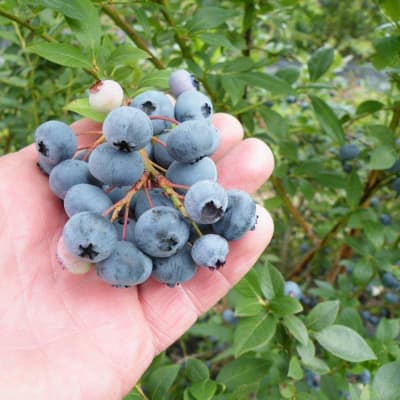
Vaccinium corymbosum Mid. 6-8' × 5'. High-quality medium light blue berries are firm, sweet and low in acidity. High yielding. Upright bush has shown some tolerance to clay soils. Z5.
Brassica oleracea (capitata group) (62 days) Open pollinated. Classic early round 3-5 lb grey-green compact heads on short stems. Excellent flavor. Not long standing.
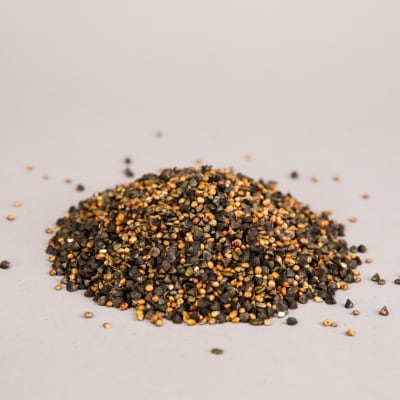
A cover crop blend of 40% buckwheat, 40% BMR sorghum/sudangrass, and 20% Sunn Hemp for nitrogen fixation. Loves heat. First-rate smother crop and biomass builder formulated to reliably winter-kill.
With annuals and biennials, grasses and legumes and broadleafs, and roots of all shapes and sizes, this blend mimics natural diversity and encourages a flourishing and balanced microbial population.
This dynamic cover crop duo has become a favorite of growers who value its vigorous growth and soil-building prowess, along with the assurance that it will winterkill up North.
Actinidia arguta Rusty red-blushed skin, green flesh. Female. Also called Ananasnaya. Tangy and sweet pineapple-like taste. Heavy yields are late to ripen. Requires Meader male for pollination. Z4.
Actinidia arguta Green skin, green flesh. Female. Medium-sized bright green fruits with excellent flavor. Very productive and reliably hardy. Requires Meader male for pollination. Z4.
Actinidia arguta Green skin, green flesh. Female. Sweet and luscious kiwi, a combination of sweet and sour. Larger than other varieties. Requires Meader male for pollination. Z4.
Trigonella foenum-graecum (30 days leaf, 120 days seed) Open pollinated. Leaf and seeds are used culinarily, imparting a sweet nutty flavor reminiscent of maple syrup.
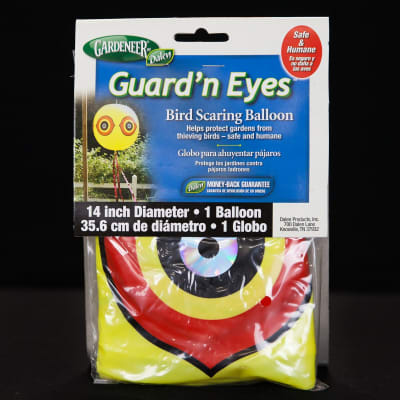
Multi-colored strips around a menacing metallic eye. Successfully tested against some of Maine’s toughest crows! Most effective if moved around the garden from time to time. Protects a 15-20' ra
A soluble copper fertilizer combined with a fatty acid that controls most fungal diseases of plants and vegetables. Start treatment with copper before symptoms appear.
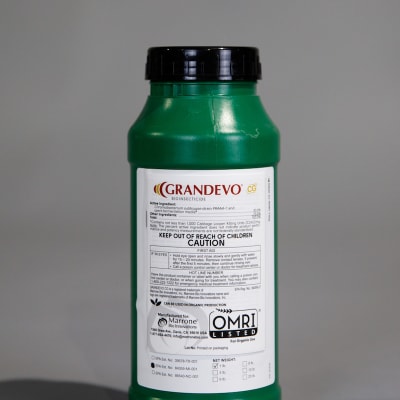
Biological insecticide made of commercial strength Bt, and labeled for a wide variety of caterpillar and moth pests on practically every agricultural crop there is.
Reduces plant damage from sucking and chewing insects including Colorado potato beetle larve. Faster-acting than most biological products: stops feeding activity within one minute of exposure.
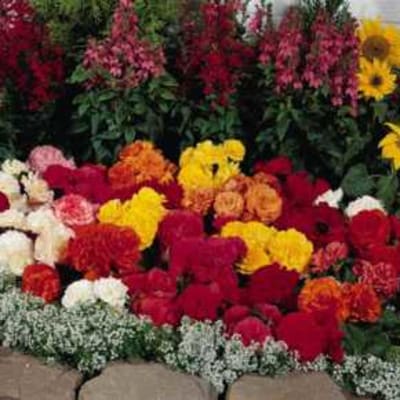
Antirrhinum majus (120 days) F-1 hybrid. Long stems and vibrant colors: pink, red, yellow, orange, white and orchid on 2-3' plants. Ideal for cutting. Lasts 5-8 days.
This tried-and-true professional model offers an adjustable pressure regulator, a chemical-resistant stainless steel wand with brass nozzle, excellent parts availability, and a solid reputation.
Verbena bonariensis (90 days) Open pollinated. Proud strong 3”4' stems topped with vibrant purple flowers that bloom from July to October. Ideal cutflower. Extremely drought-resistant.
NPK: 7-1.5-1 avg. Effective and economical nitrogen fertilizer for Northeast soils. High levels of nitrogen and potassium are released as soybean meal breaks down, providing fertility over time.
Malus spp.This is a twig for grafting. Early fall, ruby red skin, white flesh. Also called Snow. Ruby-red fruit with tender white flesh. Excellent fresh eating, sauce and fresh cider. Keeps until late December. Z3.
Malus spp. Fall-winter, bright red-blushed skin. Famous American heirloom apple. Large brilliant shiny yellow with a bright red blush. Best for fresh eating: aromatic, slightly crisp, juicy, mild. Good sauce. Z4.
Mycorrhizae form beneficial relationships with the roots of most plant species: they boost plant growth by improving the roots’ ability to take up nutrients, water and oxygen.
With plenty of scientific detail and practical knowledge about a variety of regenerative practices, Phillips reveals how mycorrhizal fungi are deeply embedded in healthy soils and plant physiology.
Prunus cerasus Summer, bright red skin. Heirloom pie cherry grows successfully in Aroostook County. Similar to Montmorency. Hardy, productive, long-lived, disease resistant. Z3.
Aronia melanocarpa 5-10' x same. Cultivar selected for use in windbreaks and wildlife conservation plantings. Fruits abundantly. Medicinal and edible. Z3/4.
Aronia arbutifolia 6-10' x 3-6'. Each one is genetically unique. Beautiful in mass plantings and borders. Plant several in a hedge and make the birds happy! Native. Z3/4.
Metasequoia glyptostroboides 100'. A spectacular ornamental tree! Wide trunk with iridescent golden-orange bark and bright green deciduous needles turn orange in the fall. Highly adaptable. Z4.
Thuja occidentalis 20-60'. Narrow and tall with twiggy branches, soft fibrous orange-brown bark, and distinct flat foliage. Good for screens and hedges. Z2.
Abies koreana 15-30' x 6 -12' Upright 3" purple-blue cones perch atop bright green boughs on a conical to pyramidal tree. Nice as a specimen or in hedges. Z5.
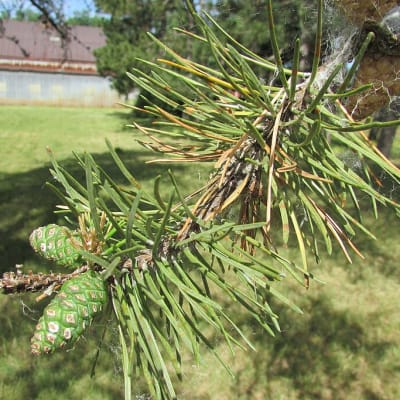
Pinus strobus 100'+. Magnificent and massive when mature. Smooth bark becomes rough, deeply furrowed with age. Makes a beautiful hedge. Shade tolerant. Z3.
Picea pungens var. glauca 30-60'. Very popular specimen tree with frosty blue needles. Excellent for privacy screens, as it is fast growing after 3'. Native to western U.S. Z2.
Picea abies 80-100'. Fast-growing wide-spreading upright picturesque tree with graceful long pendulous branches that often reach the ground. Showy cones. Z2.