Daucus carota (85 days) Open pollinated. A stalwart storage carrot whose flavor improves with time. Also good for fresh eating and juicing. 7–9" heavy cylindrical roots.
Apium graveolens (80 days) Open pollinated. Thick crisp stalks have rich flavor, not harsh even in less-than-ideal conditions. Ventura must receive adequate, even moisture for best growth.
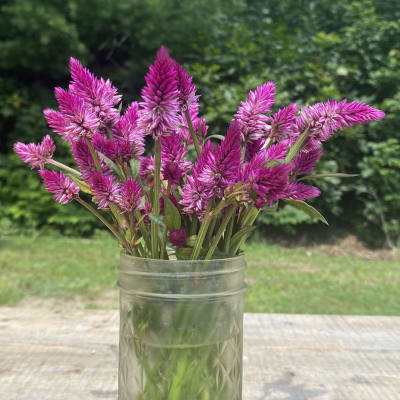
Celosia argentea var. spicata (75 days) Open pollinated. Upright 20-26" tall multi-branched wheat-type celosia produces showy spikes, light pink at the base turning to a deep rose-magenta at the tip. Green foliage starts at ground level.
Prunus avium Summer, dark red skin. Good-quality dark red fruit. Survived –30° with minimal winterkill in central Maine. Vigorous. Requires second variety for pollination. Z4.
Snug-fitting knit poly-nylon shell is dipped in nitrile, a marvelously gripping soft rubber that latex-sensitive people can use. Snug fit and tacky surface preserve dexterity.
These mesh ankle guards have a stretch knit band at the ankle and elastic band at the calf to keep mosquitoes and flies off your socks and legs. A nontoxic and affordable layer of protection.
These innovative leg gaiters feature a patented mesh-fabric design that slows ticks by 400-800% as they climb up your leg, while exposing them to microencapsulated permethrin to repel them.
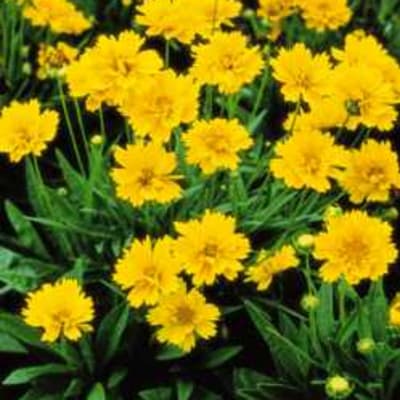
Coreopsis tinctoria Open pollinated. Beautiful native ornamental. Provides a full palette of color from yellows and greens to rusts and browns-and even black.
Zea mays (95 days) Open pollinated. A nutrient-dense grain that is fast maturing under harsh conditions, and stands strong for machine harvest. The soft starch makes fluffy cornbread and also binds well for Johnnycakes and tortillas.
Zea mays (105 days) Open pollinated. 5-8" ears. Kernels are mostly red, yellow, mottled rosy-brown (also brown, purple, blue and white), and larger than most popcorns.
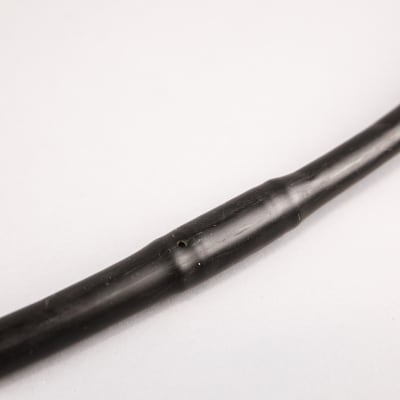
Provides consistent water flow regardless of slope or hose length. No external parts to snap off or leak. Does not clog as easily as soaker hose. With proper care, tubing will last 10 years or more.
Provides consistent water flow regardless of slope or hose length. No external parts to snap off or leak. Does not clog as easily as soaker hose. With proper care, tubing will last 10 years or more.
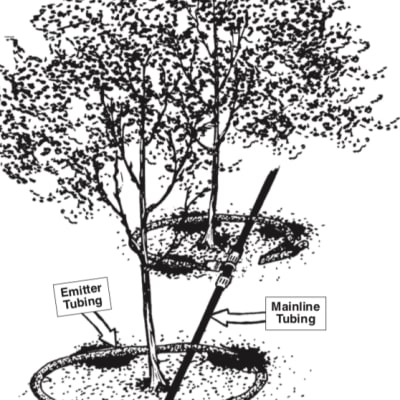
Emitter tubing delivers water where your new trees, canes, and shrubs need it most, while minimizing leaking and clogging. Includes instructions, tubing, couplers, and more!
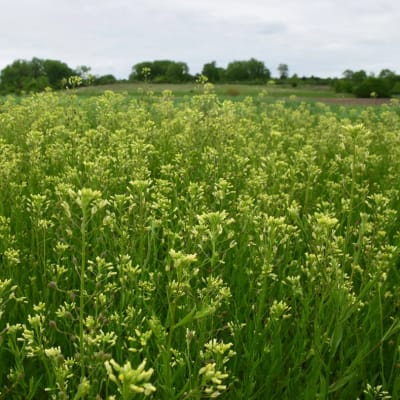
Camelina sativa Annual brassica. Widely adaptable and versatile winter-hardy cover crop and oilseed plant; tolerates poor conditions. Excellent nutrient scavenger. Sow when you would for winter rye.
Trifolium repens Perennial legume. 8–12" tall. Fantastic nitrogen fixer with great protein and digestibility. Tall enough to be harvested for hay, silage, and green chop. Good choice for poorly drained soil.
Pisum sativum var. arvense Annual legume. Also called Forage Peas. Great as weed-smothering workhorse soil builder, or a tasty and highly digestible forage. Likes cool moist conditions. Will grow in most soil types.
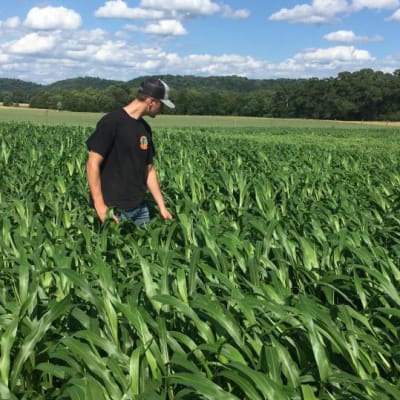
Sorghum × drummondii Annual grass. Vigorous, competitive, adaptable cover crop or annual forage. Likes heat and high fertility. Grows best in warm weather when other grasses slow down.
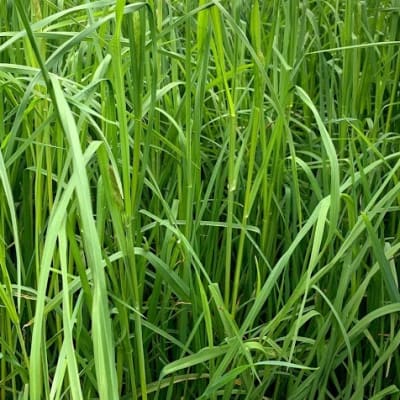
Dactylis glomerata Perennial grass. Long-lived vigorous grass. Tall leafy plants grow rapidly even in poor soils, tolerates moderately drained soils. Can be established in spring, summer, or even late winter.
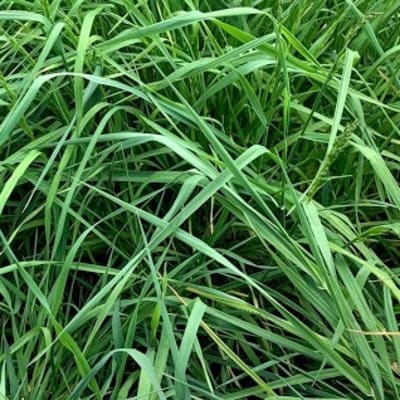
Lolium perenne Short-lived perennial grass. Extremely palatable forage grass, popular in grazing mixes. Germinates quickly and grows rapidly, suppressing weeds. Holds up under heavy traffic. Good pest resistance.
Lolium arundinaceum Perennial grass. Long-lived, versatile and low-maintenance grass good for pasture, lawn, or hay. Deep and extensive root system protects against erosion. Tolerates most adverse conditions.
Phleum pratense Perennial grass. A popular perennial hay species that produces good yields, resists lodging and is easily cut and cured. Very winter hardy. Does not tolerate heat or drought.
All-purpose lawn blend for the Northeast. Good for a range of conditions, full sun to partial shade. Makes a great understory for orchards and other perennial woody crops.
This mix offers organic matter production, nitrogen fixation, nutrient scavenging, erosion control, and weed suppression. Perfect for no-till growers and gardeners who work with hand tools only.
Perennial pasture mix of grasses and clover, well suited to Maine and other areas with similarly variable weather and temperatures. Provides season-long regrowth and good grazing.
Brassica juncea or Sinapis alba Annual broadleaf. Great cover crop to retain nutrients, suppress weeds and improve water penetration. Breaks down into compounds toxic to nematodes and soil-borne pathogens.
Avena sativa Annual grass. A solid all-purpose oat. Generates biomass and smothers weeds. Tolerates bad weather and soil conditions. Excellent feed for cows and horses.
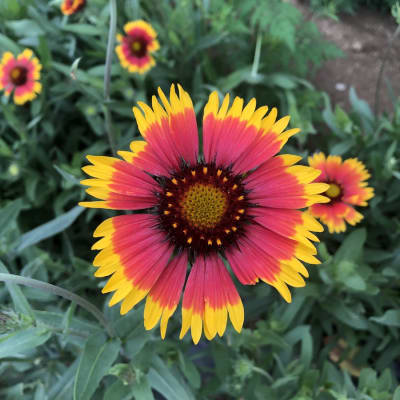
Gaillardia aristata (90 days) Open pollinated. Sun-loving native wildflower of the American Southwest is a favorite of butterflies and of gardeners who make bouquets. Perennial.
Sorghum bicolor (105 days) Open pollinated. Sprays of ornamental seedheads in gold, bronze, brown, black, burgundy, red and cream are great for making natural straw brooms and classic autumnal displays. Small shiny seeds are beloved by birds.
Pennisetum glaucum (120 days) Open pollinated. Ornamental grass with deep-purple foliage and large purple seed spikes. Popular in arrangements. 3-5' tall.
Oryza sativa (115 days) Open pollinated. Upland short-grain hardy Russian variety adapted to dry-land production. Can withstand a light frost. May be direct seeded in warmer regions.
Lonicera sempervirens 6–10' long. Scarlet-red and yellow flowers. Straight species. Selected for excellent blossom set and outstanding resistance to powdery mildew. Z3.