Malus spp. Fall-winter, purplish red skin. Aromatic dry fruit historically used for mincemeat. Recommended for drying. Shaped like a sheep’s nose! Good keeper. Z4.
Malus spp. Late summer, purple-blushed red skin. Fresh-eating crab about the size of a small plum. Tender, crisp, juicy and tart. Good in sauce. Highly scab resistant. Z2.
Malus spp. Fall, blushed yellow skin. Highly flavored dessert apple popular in the Victorian era for its complex spicy honey-nut flavor. Compact rugged tree. Z4.
Malus spp. Late summer, yellow skin, cream flesh. Golden Delicious seedling with classic Delicious shape. Juicy crisp flesh is a bit sharper, but still quite sweet for an early apple. Great for salads. Z4.
Malus spp. Late fall-winter. Excellent fresh eating, sweet-tart with distinct tropical notes. Good for cooking and cider, too. Stores extremely well, often into June. Z4.
Malus spp. Fall. Iconic green tart fruit famous for apple pies. Develops a pink blush when grown in colder climates. Extremely durable and sweetens in storage. Z4.
Malus spp. Late summer, red-striped skin, white flesh. Discovered in an old logging camp near Jackman, ME. Tart and sweet, with crisp but tender flesh. Resembles Duchess. Z3.
Malus spp. Fall-early winter. Once popular Massachusetts heirloom. Crisp tender juicy flesh glistens like snow. Keeps into January. Produces large crops. Z4.
Malus sppThis is a twig for grafting. Winter. This French heirloom was said to be carried in pockets of women as perfume. Prized as a culinary apple for holiday foods. Z4.
Malus spp. Summer, red-striped skin. One of the best varieties for summer fresh eating and cooking. Stays crisp long enough to use the crop. Disease and pest resistant. Very hardy. Z3.
Malus spp. Fall, deep red skin. Supremely flavorful dessert apple. Crisp, sweet, tart and juicy. Best fresh, but also good for cooking. Good keeper. Z4.
Malus spp. Fall, russeted green-yellow skin. Medium-small russet fruit with a longtime reputation as one of the very best dessert apples. Superb fresh eating. Keeps fairly well, still crunchy in January. Z3.
Malus spp.This is a twig for grafting. Summer, dark red skin, white flesh. The standard Maine summer cooking apple, especially pies. Medium-sized dark red fruit. Juicy subacid white flesh tinged with red. Z3.
Malus spp. Fall. You may know it as the mealy, tasteless apple of cafeteria lunches. When homegrown and eaten fresh, it's wonderfully sweet, aromatic and crunchy! Z4.
Malus spp.This is a twig for grafting. Fall-winter, green skin, light yellow-green flesh. Large, crisp and tart. Classic New England cooking apple; also great fresh eating. Keeps well into winter. Z4.
Malus spp. Early fall. Medium bittersweet cider apple. Sweet, crisp and juicy. Soft, astringent, tannin. Useful for its early ripening. Midseason bloomer. Z4.
Malus spp. Fall. Bittersharp ancient English cider apple discovered around 1600 in the Forest of Dean. The flesh has a peculiar flavor combo of sharp, astringent and sweet. Blooms midseason. Z4.
Malus spp. Late fall. Bittersharp cider apple with lots of sugar, bitterness and acidity. Good candidate for a single varietal. Highly disease resistant, immune to scab and mildew. Long midseason bloom time. Z4.
Malus spp. Fall. Full bittersweet cider apple. Sweet, woolly textured and astringent. Adds a powerful and unique taste to cider; best for blending. A true spitter! Z4.
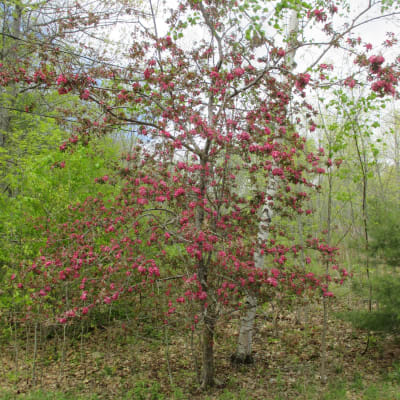
Malus spp. Orange-red skin. One of our favorite “rose” crabs. Small white cup-shaped semi-double flowers with yellow stamens look like miniature roses. Orange-red persistent fruit lasts till spring. Z3.