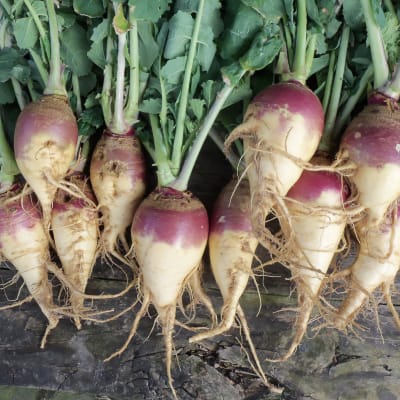
Raphanus sativus (23 days) Open pollinated. A classic, done well. Impressively heat tolerant; roots can become quite large while maintaining round shape and resisting pithiness.
read more
Solanum lycopersicum (64 days) F-1 hybrid. Red small fruit, with bomb-proof resistance against late blight lineage US 23. Great taste, highly productive, great look at market.
read more
A compact and versatile little workhorse of a sprayer, for use in the greenhouse, grow room, or home garden. Tank has a 2-liter capacity. Piston pump with Viton seals for chemical resistance.
read more
Lorimer profiles 235 native plants, describing their growing needs and habits, wildlife value and native habitat, with gorgeous color photos to emphasize the unique beauty of each species.
read more
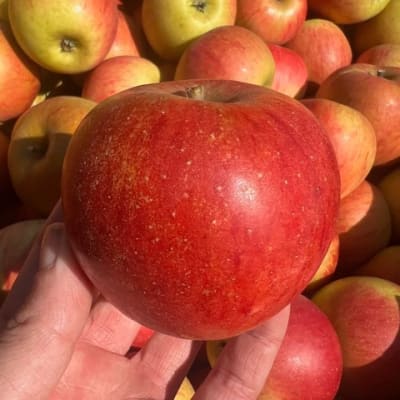
Malus spp. Winter. A nearly perfect all-purpose apple for northernmost areas. Bright red fruit with white firm crisp juicy flesh. Very versatile. Keeps until March. Z3.
read more
Malus spp. This is a twig for grafting. Summer. Nice balance of tart and sweet. Crisp and juicy fresh-eating; fine cooking. Disease-resistant; scab immune. Z4.
read more
Malus spp. Fall. Excellent bittersweet for blending in hard cider. Juicy firm quite bitter very astringent flesh has a very high sugar content. Rare. Z4.
read more
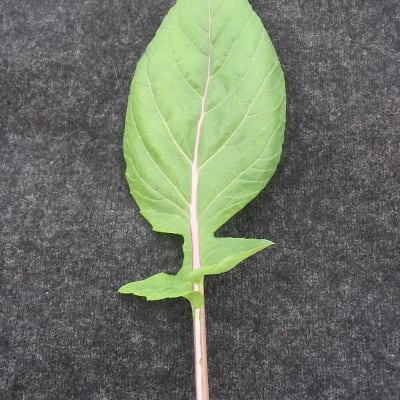
Brassica rapa (37 days) Open pollinated. Produces many pencil-thick deep purple flowering shoots with pleasing mild mustard flavor. Grows best in cool weather.
read more
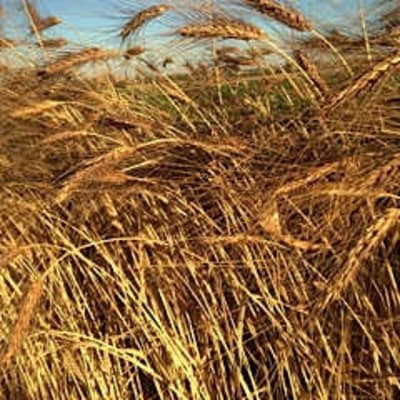
Triticum aestivum (95 days) Open pollinated. Dual-purpose spring wheat: Harvest early for ornamental grain, later for 6-row wheat for baking.
read more
A mixture of rotten eggs and essential oils deters deer by taste and smell. Dries clear and odor free (to human noses) and will not wash off in the rain. Lasts up to 30 days.
read more
Brassica napus × Brassica rapa (pekinensis group) (95 days) Open pollinated. A cross between Chinese cabbage and rutabaga, has very fine-grained tasty yellow flesh. Exterior much like purple-crowned Laurentian rutabaga.
read more
Brassica rapa (55 days) Open pollinated. Round red-skinned tennis ball-sized turnip. White flesh blushed rose pink. Compares to Scarlet Ohno Turnip.
read more
Contains about 5% potassium in very slow-release form. Can be added to the soil in large amounts without altering the pH. Greatly enhances soil structure and promotes healthier plants.
read more
A good source of immediate potassium for depleted soil and of magnesium where calcium is abundant. Alliums like its sulfur and potatoes like its quick boost of potassium.
read more
Malus spp. Also called Bud 118 or B118. Semi-dwarf apple rootstock, similar in size to M111 (about 85-90% of standard). Space trees 20-25' apart. Z3.
read more
Malus spp. Fall-winter. Crisp, firm, juicy with a rich spicy flavor. Stores 6 months or more. Annual bearing, scab immune, resistant to powdery mildew, cider-apple rust and fireblight. Blooms late-season. Z4.
read more
Malus spp. Fall. Crisp flesh with balanced sweet-tart flavor. Good fresh eating and great dried apples. Stores into the winter. Disease resistant. Z4.
read more
Malus spp. Winter. A popular all-purpose commercial apple in New England. Delicious fresh eating, cooks well in pies and sauce and keeps until late spring. Z4.
read more
Malus spp. This is a twig for grafting. Late summer. Extremely hardy large cooking and dessert apple. Large hollow core sometimes fills with delicious juice. Uniquely shaped, beautiful and rare. Z3.
read more
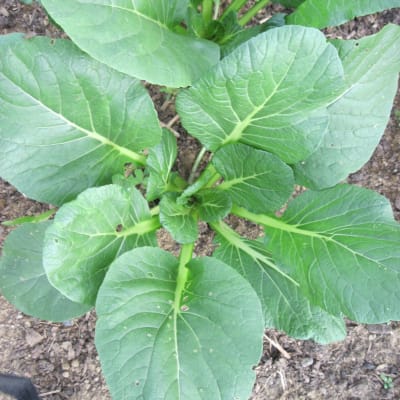
Brassica rapa (narinosa group) (21 days baby, 45 days mature) F-1 hybrid. Mild deep green tender leaves used raw or cooked. Good season extender. Excellent tolerance to heat, cold. Cut-and-come-again.
read more
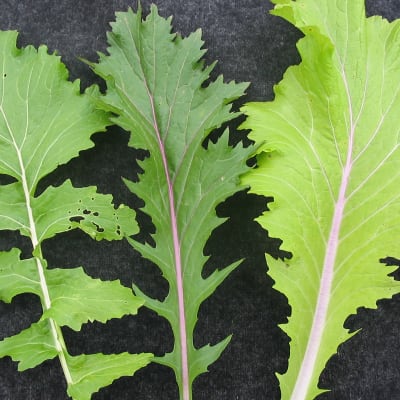
Brassica juncea (20 days baby, 40 days mature) Open pollinated. Light golden-green leaves are curled and lacy, adds lift to salad mixes. Mustardy zing. Resists bolting in heat.
read more
Phaseolus vulgaris (57 days) Open pollinated. 6" pods. Long a standard for flavor. Not heat tolerant, but excellent for fall crops. White seed.
read more
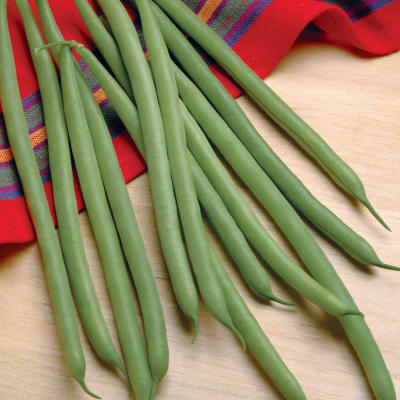
Phaseolus vulgaris (56 days) Open pollinated. High yields of tasty 5–7" straight slender round dark green beans. Holds quality well both on the plant and after harvest.
read more
Phaseolus vulgaris (56 days) Open pollinated. High yields of tasty 5–7" straight slender round dark green beans. Holds quality well both on the plant and after harvest.
read more
Nepeta × faassenii 24-36" tall. Aromatic grey-green foliage with long arching stems topped by lavender-blue flowers. Rugged. Attractive to pollinators. Z3.
read more
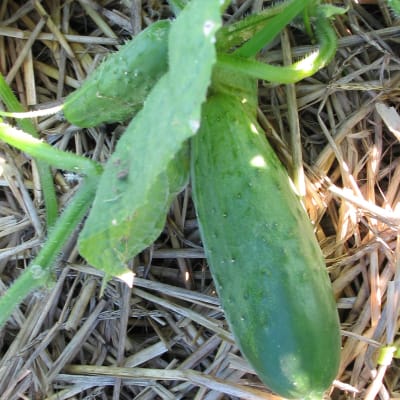
Cucumis sativus (60 days) Open pollinated. Parthenocarpic pickler. Blocky, smaller than average fruit. Compact growth and small leaves. Can be grown under row cover.
read more
Pennisetum glaucum (120 days) Open pollinated. Ornamental grass with deep-purple foliage and large purple seed spikes. Popular in arrangements. 4-5' tall.
read more
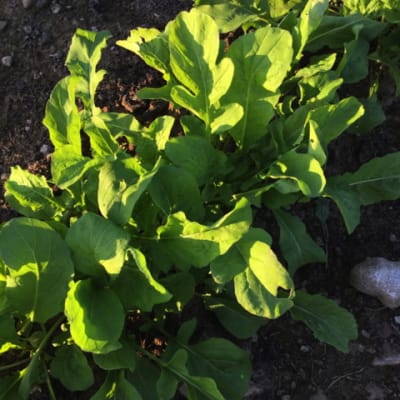
Eruca sativa (47 days) Open pollinated. Musky, cold tolerant greens, great for early spring, late fall, over-wintering. Eat the flowers if you miss some of the greens.
read more
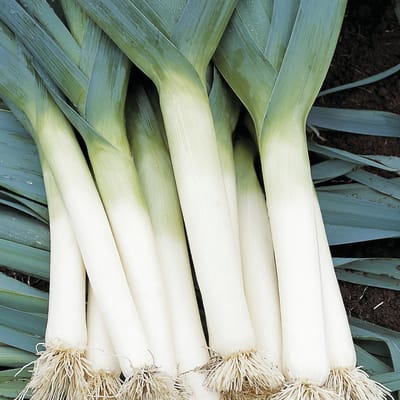
Allium ampeloprasum (porrum group) (100 days) Open pollinated. Highly uniform and reliable OP leek with impressive cold tolerance, gorgeous dark blue-green leaves, and medium-length white shanks.
read more
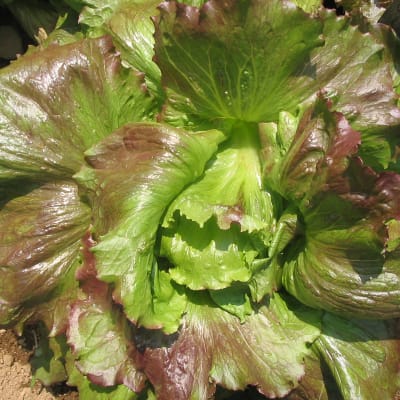
Lactuca sativa (63 days) Open pollinated. Compact medium-sized heads with burgundy-red exterior. Interior shades to green. Resists becoming mushy in heat.
read more
Tagetes patula (60 days) Open pollinated. Anemone-flowered dwarf. Bicolored double blooms are deep rusty orange, petals edged with gold. 10-12" tall.
read more