Digital thermostatic device allows growers to select and maintain optimal temperatures (setting range: 68–108°) for germinating seeds or rooting cuttings. Works with most 120V heat mats.
read more
Agricultural Sulfur. Use to make soil pH more acidic. Often helpful for both lowbush and highbush blueberries, and for potatoes. Lowering the pH of gravel paths will help control weed growth.
read more
Malus spp. This is a twig for grafting. Summer. One of the best-flavored early apples for northern growers. Crisp, tender, juicy subacid. Glossy red round fruit. Z3.
read more
Brassica rapa (37 days) Open pollinated. Produces many pencil-thick deep purple flowering shoots with pleasing mild mustard flavor. Grows best in cool weather.
read more
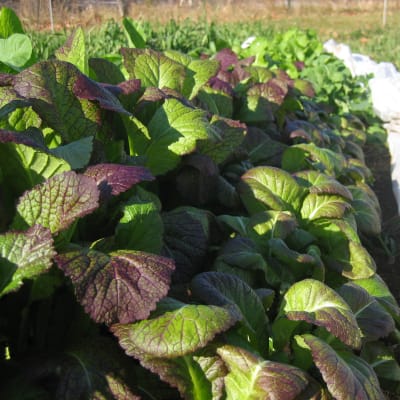
Brassica juncea (integlifolia group) (45 days) Open pollinated. Japanese heirloom. Large purple-tinted savoyed leaves. Peppery flavor. Standard mesclun ingredient. Cold tolerant.
read more
Brassica oleracea (capitata group) (85 days) F-1 hybrid. Deep purple-red rock-hard round heads avg 4-6 lb. Excellent for long storage. Very cold hardy.
read more
Prunus avium Summer. Good-quality dark red fruit. Survived –30° with minimal winterkill in central Maine. Vigorous. Requires second variety for pollination. Z4.
read more
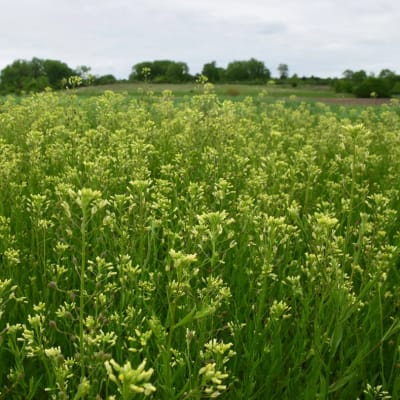
Camelina sativa Annual brassica. Widely adaptable and versatile winter-hardy cover crop and oilseed plant; tolerates poor conditions. Excellent nutrient scavenger. Sow when you would for winter rye.
read more
Triticosecale var. ‘FORAGE FX 1001’ Triticale is a hybrid of wheat and rye, and boasts many advantages over plain winter rye. This variety was selected for winter hardiness and consistently high yields of both forage and seed yields.
read more
This dynamic cover crop duo has become a favorite of growers who value its vigorous growth and soil-building prowess, along with the assurance that it will winterkill up North.
read more
Crotolaria juncea Annual legume. Rock star cover crop builds organic matter, fixes atmospheric nitrogen, controls harmful nematodes, and still finds time to be beautiful! Grows vigorously in warm conditions.
read more
Vitis spp. Mid. Clusters of medium-sized dark grapes with a heavy blue bloom. Our most popular seeded grape. Excellent for fresh eating, jelly and juice. Z3.
read more
Vitis spp. Very Early. Large seedless blue berries good for fresh eating, juice or raisins. Resists cracking and performs well in hot wet summers. Very vigorous. Z5.
read more
Vitis spp. Mid. Large bright firm seedless deep red grapes with a fruity flavor. Makes the best raisins. Excellent fresh eating. Vigorous vines. Z4/5.
read more
Eruca sativa (47 days) Open pollinated. Great-tasting musky greens. Bolt resistant strain. Cold tolerant, great for early spring, late fall, over-wintering.
read more
Brassica napus (pabularia group) (60 days) Open pollinated. Unsurpassed tenderness and flavor. Green oakleaf with purple veining darkens in cold weather. Wilts quickly once picked. Great microgreens.
read more
Lactuca sativa (52 days) Open pollinated. Large fancy fast-growing light-green butterhead lettuce. Bolts quickly in heat. Recommended for fall or overwintering where climate permits.
read more
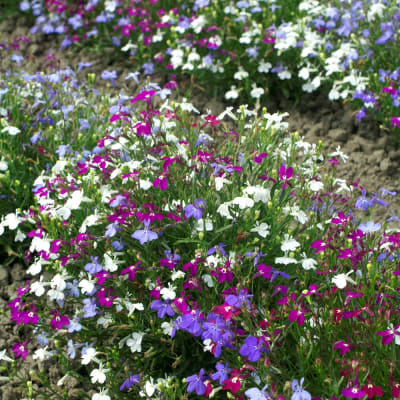
Lobelia pendula (60 days) Open pollinated. Very uniform tiny lush flowers bloom continuously from early summer to early fall to grace your garden, window boxes and hanging baskets. Annual.
read more
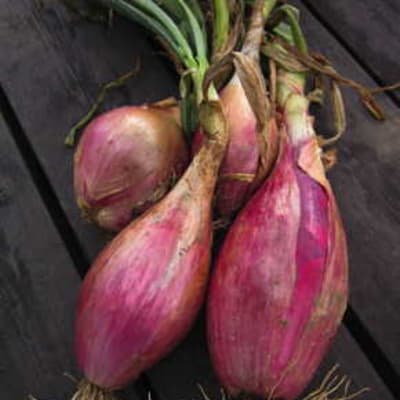
Allium cepa (114 days) Open pollinated. Red storage onion. Flat square-shouldered top tapering like a barrel to a narrower flat bottom. Tops slow to go down.
read more
Talinum paniculatum (95 days) Open pollinated. Petite pink flowers on thin stems mature into airy glistening bronze-to-burgundy sprays of teensy seedpods. Annual.
read more
Lavatera trimestris Open pollinated. Mix contains mostly pink shades and some white. Explosion of funnel-shaped blossoms on 2' tall bushy plants.
read more
Rubia tinctorum Open pollinated. Ancient and excellent source of red dye. Harvest roots after three years and grind to yield a wash- and light-fast red dye par excellence. 4' plants.
read more
Pycnanthemum incanum Open pollinated. A culinary herb, excellent cutflower and pollinator fave! “Mintier than mint” and less likely to spread.
read more
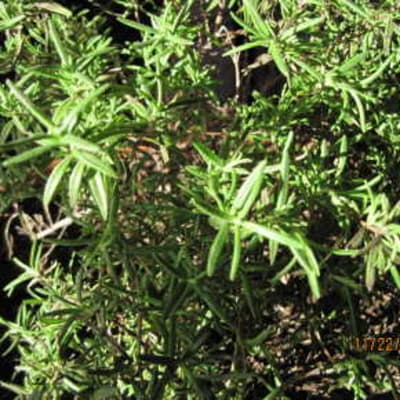
Rosmarinus officinalis Open pollinated. Beloved tender perennial growing to 3-4'. Cannot withstand temperatures below 17°, may be overwintered indoors if kept cool and moist.
read more
Stevia rebaudiana (100-120 days) Open pollinated. Stevia is several hundred times sweeter than sugar, and is used fresh, dried, powdered or in a liquid as a sugar substitute.
read more