Oryza sativa (120 days) Open pollinated. Short grain light brown rice, can work in Zone 5b in paddies from direct sowing but does best from transplants.
Oryza sativa (120 days) Open pollinated. Lowland variety from northern Japan. Pearly white short-grain sweet-sticky rice is great for mochi and fries well.
Oryza sativa (115 days) Open pollinated. Upland short-grain hardy Russian variety adapted to dry-land production. Can withstand a light frost. May be direct seeded in warmer regions.
Oryza sativa (115 days) Open pollinated. Upland variety from Japan. This great-tasting short-grained brown rice is much easier to hull and process with human-powered equipment than other varieties. Does not require flooding.
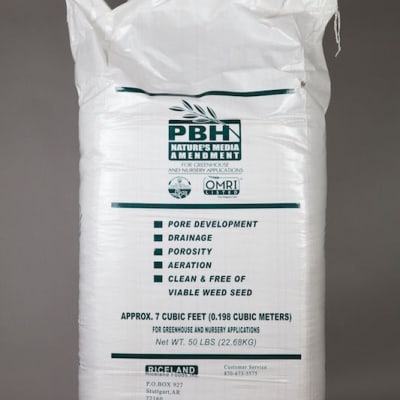
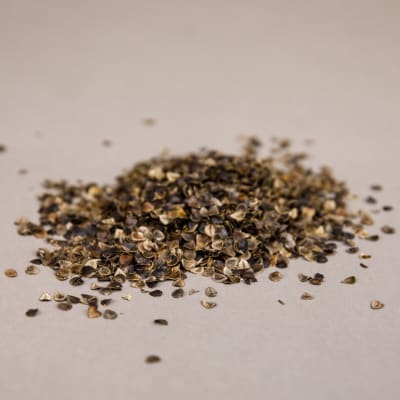
A great alternative to perlite in your growing medium—carbonaceous, renewable and less dusty to mix. Also used as a mulch for container plants. Parboiled to eliminate viable weed seeds.
Prunus armeniaca Mid-late summer, pale yellow skin. From Iran, these apricots are sugary with large sweet edible almond-like pits. Very hardy and worth trialing in the Northeast. Z3.
Brassica oleracea (capitata group) (62 days) Open pollinated. Classic early round 3-5 lb grey-green compact heads on short stems. Excellent flavor. Not long standing.
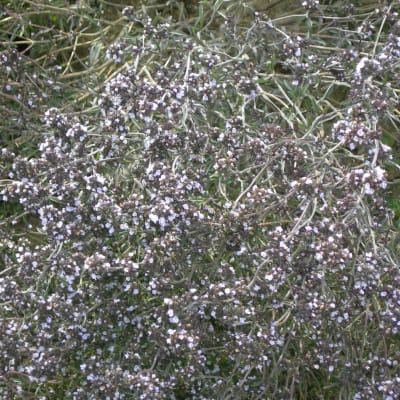
Satureja hortensis (70 days) Open pollinated. Annual grows to 1½' with narrow dark green leaves and lavender flowers. Cut often during growing season, before blossoms appear.
Optimized for strong root growth, and charged with a fine-tuned organic fertilizer blend. Recommended for seed starting, transplants, paper-pot trays and rooting cuttings.
Ulmus americana 60' x 35-40'. New selection from a lone survivor wild specimen surrounded by other trees that had succumbed to the fatal disease. Further studies at U Minn confirmed its excellent resistance. Z3.
Cucurbita pepo (50 days) Open pollinated. Cylindrical. Very dark green fruit with a small seed cavity. Open plant habit. Heirloom with excellent flavor.
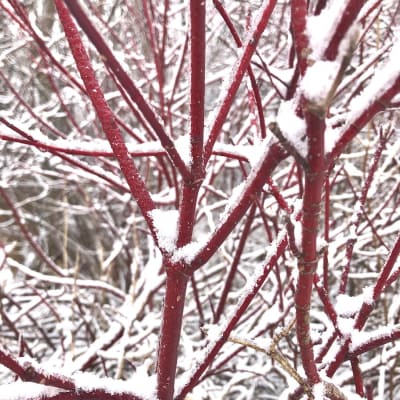
Cornus sericea 8-10'. Multi-stemmed spreading shrub excellent for hedges and borders. Red stems admirable in the winter. Valuable native wildlife plant. Z2.
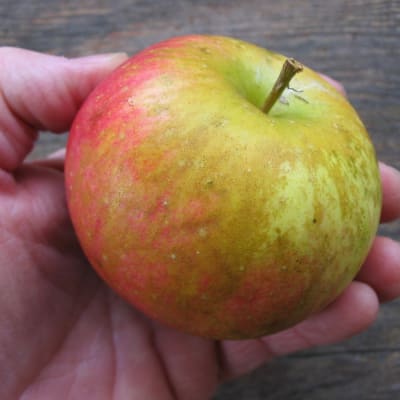
Malus spp. Late fall-winter, orange-russeted greenish yellow skin. Intensely flavorful dessert variety. Tastes like licorice! Keeps till the New Year. Z4.
Malus spp.This is a twig for grafting. Late fall-winter, orange-russeted greenish yellow skin. Intensely flavorful dessert variety. Tastes like licorice! Keeps till the New Year. Z4.
Ocimum basilicum (60 days) Open pollinated. An attractive 12-18" fine-leaved plant with purple stems, seed heads and flowers. Lends its distinctly strong licorice-anise basil flavor to Thai food.
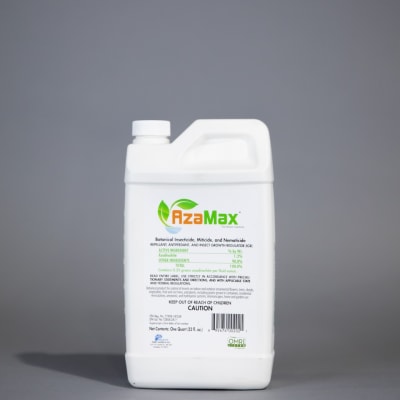
Botanical Insecticide/Miticide/Nematicide with azadirachtins A+B. Offers rapid knockdown of spider mites and cucumber beetles: similar to PyGanic, but with a lower price tag and less toxic to bees.
Natural phosphorus source. Adequate phosphorus results in more vigorous early root formation, better flower and seed production, better growth in cold temperatures, and better water use efficiency.
Malus spp.This is a twig for grafting. Mid-late fall, yellow skin, yellow flesh. Medium-small vintage cider apple. Rich firm dry yellow flesh. Famous cider said to be better than champagne! Z4.
Phaseolus vulgaris (60 days) Open pollinated. Fortex begins producing early and keeps going into fall, long after others have quit. Its flavor and texture reign supreme, a distinctive nutty taste that can be enjoyed raw or cooked.
First published in 1973, this comprehensive guide to canning, freezing and drying the garden’s bounty has been updated and offers useful recipes and trustworthy food-safety protocols.
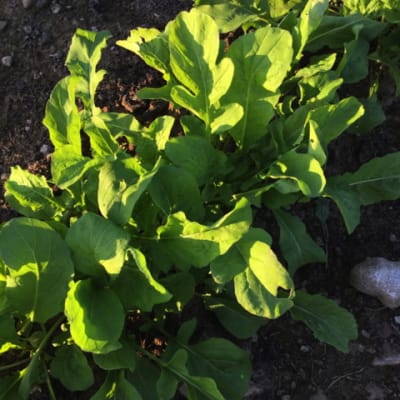
Eruca sativa (47 days) Open pollinated. Great-tasting musky greens. Bolt resistant strain. Cold tolerant, great for early spring, late fall, over-wintering.
Eruca sativa (47 days) Open pollinated. Musky, cold tolerant greens, great for early spring, late fall, over-wintering. Eat the flowers if you miss some of the greens.
Lactuca sativa Open pollinated. Refined, fancy, pricy and rare lettuces, all suitable for cut-and-come-again culture. Contrasting colors and leaf forms and all organic!
Bupleurum griffithii (90 days) Open pollinated. Everlasting annual. Features round leaves and unusual yellowish flowers air dry perfectly, retaining their color. Great filler for bouquets.
Pimpinella anisum (130 days) Open pollinated. White umbel flowers in July have delicate ornamental value. Seed ripens in August and September—wait until the tips of the fruits turn grey, and collect seeds before they turn black.
Agastache foeniculum Open pollinated. Perennial can grow 3' tall, 2' wide. Vigorous self-sower. Anise-scented foliage and purple flowers delightful as a tea or culinary seasoning, or filler in mixed bouquets.
Agastache foeniculum Open pollinated. Perennial can grow 3' tall, 2' wide. Vigorous self-sower. Anise-scented foliage and purple flowers are delightful as a tea or culinary seasoning, or filler in mixed bouquets.
A botanical insecticide derived from chrysanthemum that has a rapid knockdown and high kill rate, but low toxicity for humans and other vertebrates. For home garden use only. Please apply with care.
Solanum lycopersicum Deep rosy pink skin. (75 days) F-1 hybrid. Gorgeous deep rose large 20-30g cherry. Slowly ripens from pink to deep rose with matte finish. Low-acid, tasty, mellow.
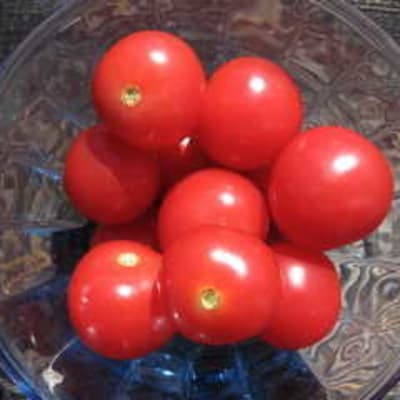
Solanum lycopersicum Blood red skin. (82 days) Open pollinated. Blemish-free blood-red nippled 2 oz plums are solid but moist, perfect in salads and sandwiches. Gorgeous healthy plants produce great yields.
Citrullus lanatus Deep red flesh. (80 days) Open pollinated. Classic icebox. Deep red flesh. Very dark green 8-10 lb fruit. Early reliable standard for the North.