Malus spp. Late fall. Full bittersweet cider apple. Low acidity and a nice astringency. If you’ve been looking for late-ripening bittersweets, try this one. Z4.
read more
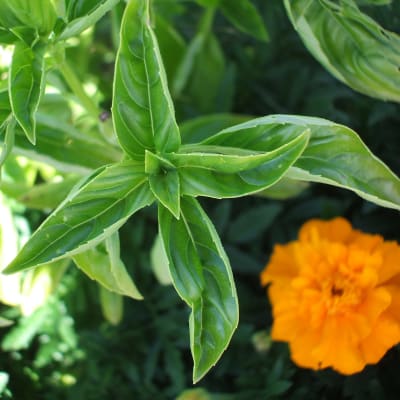
Ocimum basilicum (70 days) Open pollinated. The choice of many connoisseurs for making pesto. Leaves are slightly smaller and finer than Sweet Basil with more aroma and potency.
read more
Ocimum basilicum (70 days) Open pollinated. The choice of many connoisseurs for making pesto. Leaves are slightly smaller and finer than Sweet Basil with more aroma and potency.
read more
Customers loved this Alphonse Mucha-inspired design on our tote bag so much, we put it on a 100% certified-organic cotton shirt! This light green tee is fitted for a body-skimming effect.
read more
Customers loved this Alphonse Mucha-inspired design on our tote bag so much, we put it on a 100% certified-organic cotton shirt! This forest green tee is straight-cut, for a boxier fit.
read more
This design was featured on some staff-only apparel recently, and it was so well-loved that we decided to release it to the wider world on these 100% certified-organic cotton shirts.
read more
This design was featured on some staff-only apparel recently, and it was so well-loved that we decided to release it to the wider world on these 100% certified-organic cotton shirts.
read more
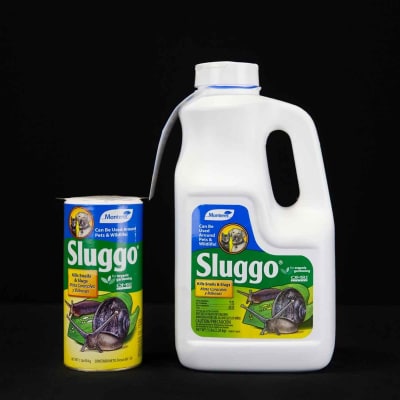
Snail and slug bait mixed with iron phosphate. Snails and slugs gather to eat the bait, and the iron phosphate causes them to cease feeding and die in a few days. Damage reduction is almost immediate.
read more
Solanum lycopersicum (75 days) Open pollinated. This fantastic cherry tomato is beautiful, healthy, highly productive, resistant to cracking and not resistant to flavor. 10–20g fruits.
read more
Solanum lycopersicum (85 days) Open pollinated. Red paste with psychedelic orange-yellow striations, distinctive nipple, 4-5 oz. Makes rich sweet tomatoey sauce.
read more
Calcium helps strengthen plants’ cell walls, improving crop quality, disease resistance and storage capacity. Can help prevent problems like blossom end rot and bitter pit.
read more
Malus spp. This is a twig for grafting. Fall. Rich juicy spicy medium-sized fruit. Great fresh, in salads and for cider. Moderately vigorous tree. Z4.
read more
Malus spp. Late summer. These culinary crabapples are a tasty snack fresh off the tree, better after storage. Especially good for brandying. Keeps well. Z2/3.
read more
Malus spp. This is a twig for grafting. Winter. Old Hudson Valley apple, late 1700s. Dense and tart off the tree, sweetening in storage. Good keeper. Z4.
read more
Asparagus officinalis Heirloom. Large early green stalks tolerate heat well and demonstrate good resistance to rust. Early, vigorous, uniform. Planted in American gardens for more than a century. Z3/4.
read more
Ocimum basilicum (70 days) Open pollinated. Impressive yields from shapely plants well suited to pots or the field. Classic sweet Genovese flavor and a marvelously potent aroma. Resists powdery mildew.
read more
Ocimum basilicum (70 days) Open pollinated. The heaviest-yielding variety, recommended for drying, all-around great eating, and large-scale pesto production.
read more
Ocimum basilicum (70 days) Open pollinated. The heaviest-yielding variety, recommended for drying, all-around great eating, and large-scale pesto production.
read more
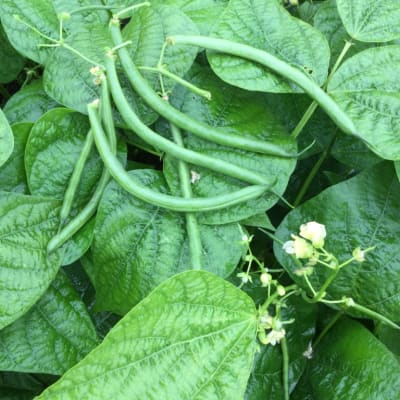
Phaseolus vulgaris (58 days) Open pollinated. 5.5" long green bean. Very stress tolerant and high yielding, with good texture and flavor. White seed.
read more
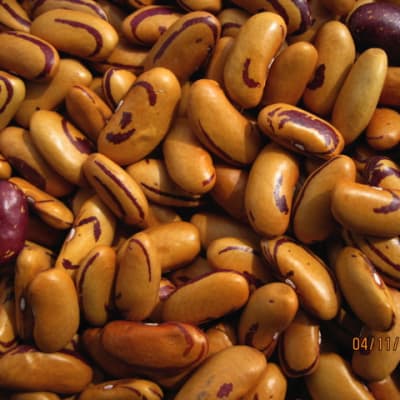
Phaseolus vulgaris (65 days shell, 85 days dry) Open pollinated. Among the most beautiful of all dry beans. Tender skins disappear upon cooking.
read more
Brassica oleracea (botrytis group) (68 days) F-1 hybrid. Pastel orange uniform heads of dense curds on sturdy plants. Highly adaptable; consistently performs well in a range of conditions, including heat stress.
read more
Brassica oleracea (botrytis group) (62 days) F-1 hybrid. This super early deep purple cauliflower with tight curds will start forming heads before than any other purple around.
read more
Brassica oleracea (botrytis group) (80 days) F-1 hybrid. You won’t need to use the force to attain revolutionary fall harvests of dependable cold-tolerant medium-large heads.
read more
Got blackflies? Slip on this headnet and work in comfort. Lightweight fine-mesh black nylon lets breezes in and makes the outdoors liveable again with chemical-free insect protection.
read more
Trifolium repens Perennial legume. 8–12" tall. Fantastic nitrogen fixer with great protein and digestibility. Tall enough to be harvested for hay, silage, and green chop. Good choice for poorly drained soil.
read more
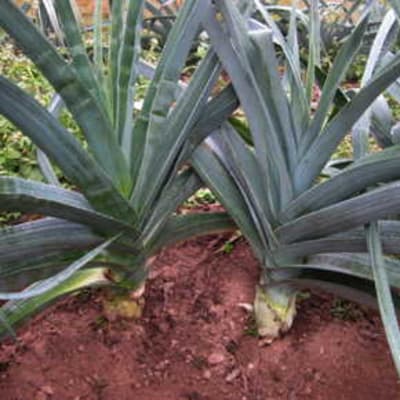
Allium ampeloprasum (porrum group) (84 days) Open pollinated. 6" tall, 3" thick shanks. Blue-green leaves. Very cold tolerant. A good candidate for overwintering.
read more
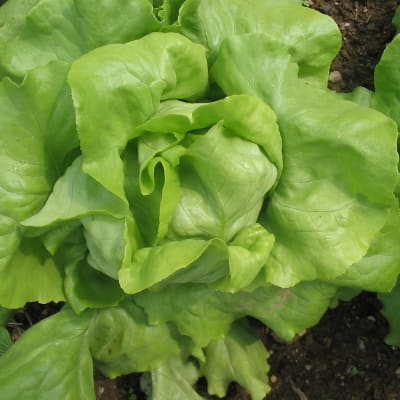
Lactuca sativa (58 days) Open pollinated. Thick medium-green leaves make a tight well-developed heart. Holds well in the field, a standout both for commercial growers and home gardeners.
read more
Good all-purpose plastic mulch for cool-weather areas. Excellent weed suppression. Increases soil temperatures by several degrees. Recommended for tomatoes, cucurbits and sweet corn.
read more
Upper white layer reflects sunlight back on the plants, increasing photosynthesis. Black lower layer blocks light to suppress weeds. Keeps soil temperatures lower for cool-loving crops.
read more
Withania somnifera Open pollinated. Upright shrub 2' with green-to-yellow flowers ripening to red berries. Roots are dried at the end of the growing season and used internally powdered or tinctured.
read more
Pycnanthemum incanum Open pollinated. A culinary herb, excellent cutflower and pollinator fave! “Mintier than mint” and less likely to spread.
read more
Capsicum annuum (85 days) Open pollinated. 2x4" squat ribbed fleshy red fruits are thick-walled, crunchy and extra sweet. Plants are productive and fairly early.
read more
Scabiosa atropurpurea Open pollinated. Mix features purple, lavender, red, pink, white and almost-maroon. Each 2" bloom is a rounded mass of tiny florets.
read more
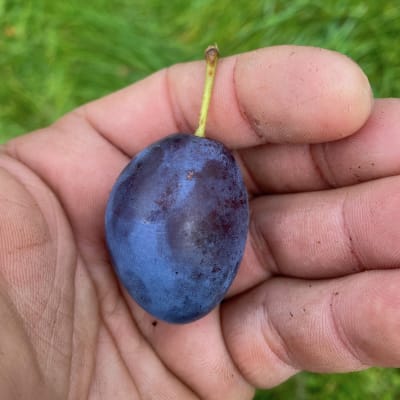
Prunus domestica Late summer. Often considered the sweetest European plum. Use fresh, dried, frozen, canned and in preserves. Abundant annual crops. Z3.
read more