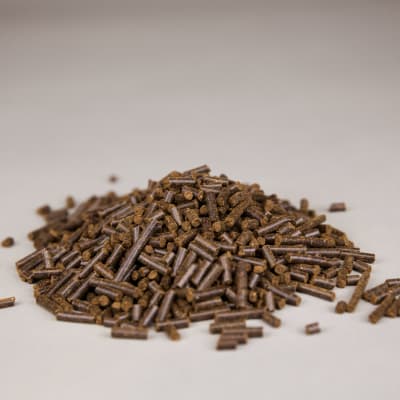
NPK: 6-1-3 avg. Rich in the basic nutrients, nitrogen, phosphorus and potassium, it makes an excellent fertilizer and soil additive. Can help suppress fusarium infestations.
Natural phosphorus source. Adequate phosphorus results in more vigorous early root formation, better flower and seed production, better growth in cold temperatures, and better water use efficiency.
A good source of immediate potassium for depleted soil and of magnesium where calcium is abundant. Alliums like its sulfur and potatoes like its quick boost of potassium.
NPK: 0.5-0.5-0.3 apx, plus trace minerals. Worm castings limit plant disease and have beneficial effects including enhanced mycorrhizal activity and the suppression of parasitic nematodes.
Malus spp.This is a twig for grafting. Summer, yellow skin. Modern PRI-bred variety. Mildly tart, spicy and rich flavored. Great fresh eating quality. Disease-resistant, scab immune. Blooms mid-late season. Z4.
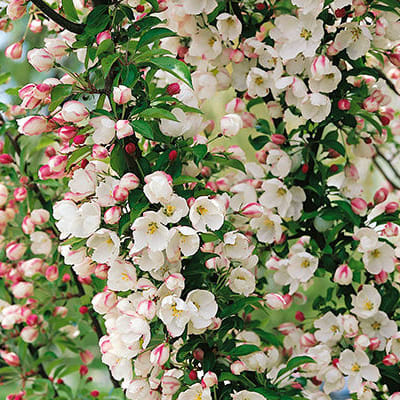
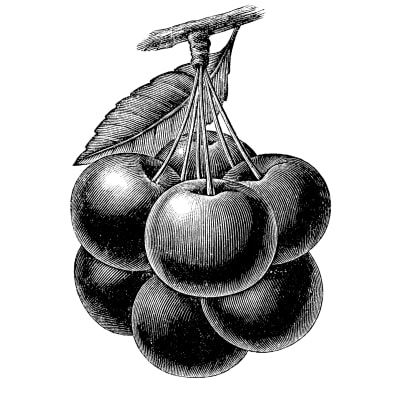
Malus spp. Orange-red skin. Red buds open to red-tinged white textured single blooms. An excellent crab for persistent fruit and disease resistance. Very distinctive upright form. Z4.
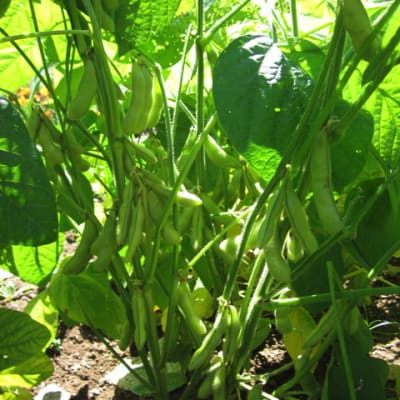
Phaseolus vulgaris (60 days) Open pollinated. Fortex begins producing early and keeps going into fall, long after others have quit. Its flavor and texture reign supreme, a distinctive nutty taste that can be enjoyed raw or cooked.
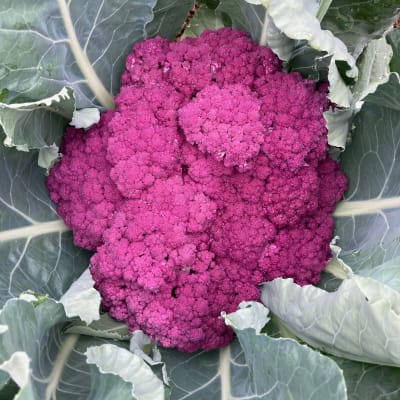
Brassica oleracea (capitata group) (105 days) F-1 hybrid. Dense 3-6 lb red heads with savoyed pinkish-purple outer leaves and green interior. Can be overwintered.
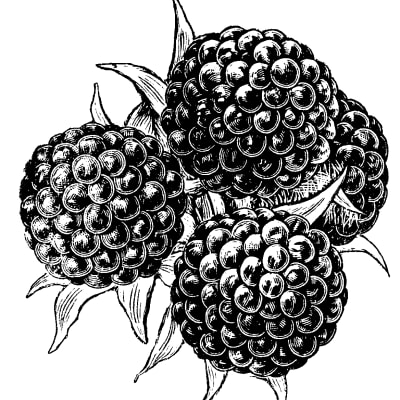
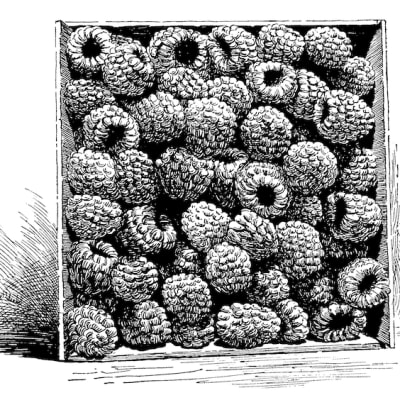
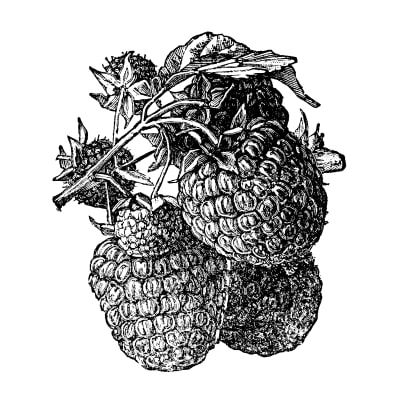
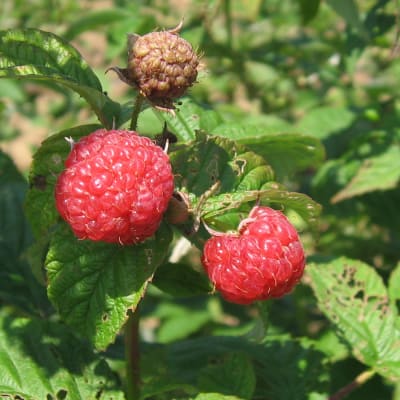
Rubus spp. Five Rubus cultivars (25 plants total) for a diverse and delicious array of berries—red, yellow, purple and black raspberries, plus blackberries. Z4.
Knit gloves coated with durable pebbled, black latex. Very flexible; partially uncoated back for better ventilation. Excellent in the cold with wool or silk liners. Double-knit cuff.
Snug-fitting knit poly-nylon shell is dipped in nitrile, a marvelously gripping soft rubber that latex-sensitive people can use. Snug fit and tacky surface preserve dexterity.
Zea mays (95 days) Open pollinated. A nutrient-dense grain that is fast maturing under harsh conditions, and stands strong for machine harvest. The soft starch makes fluffy cornbread and also binds well for Johnnycakes and tortillas.
Cucumis sativus (62 days) Open pollinated. Extra-long Asian slicer. Uniform slender smooth-skinned 9-12" fruit with crisp non-bitter flesh. Excellent flavor.
Melothria scabra (65 days) Open pollinated. Vigorous but delicate climbing vine. Profuse bearing of 1" oblong green and white fruits. Eat fresh or pickled.
This starter kit gives you everything you need for 200' of garden row-crop irrigation. Includes setup instructions, low-flow drip tape, as well as fittings, ends, couplers and more!
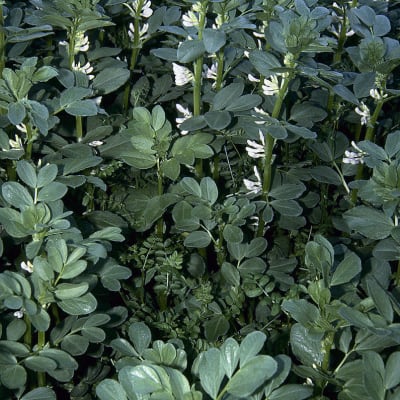
Vicia faba Annual or winter annual legume. Great for fixing nitrogen, and building large amounts of biomass. Bell beans will happily sprout in half-frozen soil, and tolerate a wide range of soil conditions.
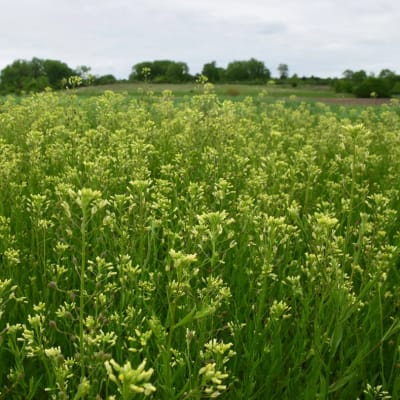
Camelina sativa Annual brassica. Widely adaptable and versatile winter-hardy cover crop and oilseed plant; tolerates poor conditions. Excellent nutrient scavenger. Sow when you would for winter rye.
Trifolium repens Perennial legume. The lowest-growing clover. This shade- and traffic-tolerant perennial makes nice garden paths and living mulch. Our most popular clover.
Trifolium pratense Short-lived perennial legume. Up to 24". A high-yielding red hay clover with glabrous stems for fast dry-down. Excellent winter hardiness and persistence. Good for acidic or wet soils.
Trifolium pratense Biennial legume. Up to 36". Vigorous red clover for cover cropping or grazing. Deep taproot. Tolerates shade, so a good choice for overseeding into standing crops. Blossoms make a lovely tea.