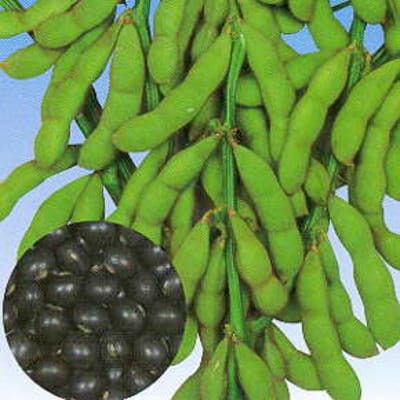
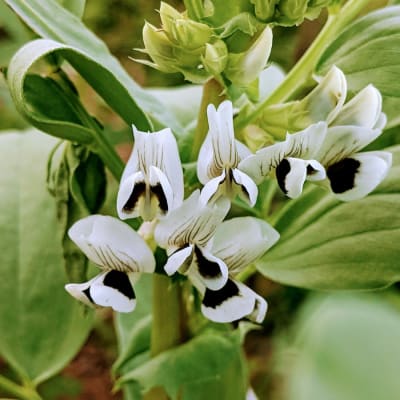
Phaseolus vulgaris (90 days) Open pollinated. Produces 4-5 beautiful black-and-white beans per pod, with a texture similar to Yellow Eye. Doubles in size when cooked.
Phaseolus vulgaris (85 days) Open pollinated. Dense foliage produces medium runners, lavender flowers and good yields of thin delicate pods each containing 5-6 lustrous black seeds.
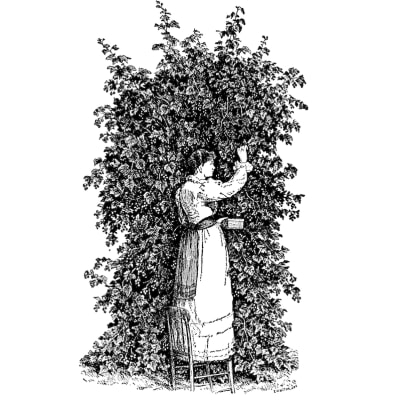
Rubus spp. Five Rubus cultivars (25 plants total) for a diverse and delicious array of berries—red, yellow, purple and black raspberries, plus blackberries. Z4.
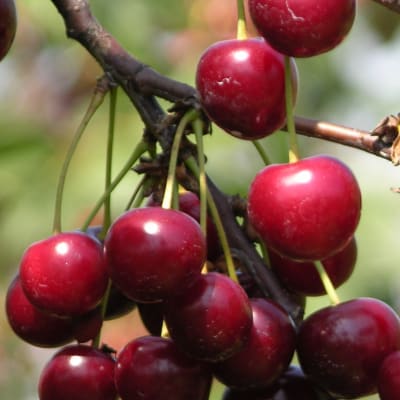
Prunus cerasus Summer, dark red skin. Very dark red-black-skinned pie cherry. Dark red flesh and juice. Recommended for pies and all other cookery. Z4/5.
Prunus cerasus × P avium Midsummer, black skin. Hardy good-quality sweet cherry with juicy medium-firm black flesh. Self-pollinating, and will pollinate other sweet cherries. Z4/5.
Knit gloves coated with durable pebbled, black latex. Very flexible; partially uncoated back for better ventilation. Excellent in the cold with wool or silk liners. Double-knit cuff.
Got blackflies? Slip on this headnet and work in comfort. Lightweight fine-mesh black nylon lets breezes in and makes the outdoors liveable again with chemical-free insect protection.
Coreopsis tinctoria Open pollinated. Beautiful native ornamental. Provides a full palette of color from yellows and greens to rusts and browns-and even black.
Cucumis sativus (52 days) Open pollinated. Classic pickler. Dark green fruit with black spines. Non-bitter. Used for small pickles and dills. Long harvest window.
Sorghum bicolor (105 days) Open pollinated. Sprays of ornamental seedheads in gold, bronze, brown, black, burgundy, red and cream are great for making natural straw brooms and classic autumnal displays. Small shiny seeds are beloved by birds.
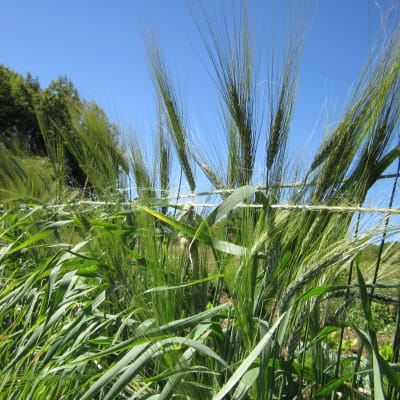
Triticum durum Open pollinated. Too beautiful to eat! Used for wheat weaving and flower arrangements. Four rows with blue-grey husks and long black awns. Sow in April, reap in Sept.
Brassica oleracea (acephala group) (62 days) Open pollinated. Italian heirloom also known as Lacinato and Tuscan Black. Very dark green wrinkled, pebbled sturdy leaves extend like palm fronds from stalk.
Suppresses weeds nearly as well as black mulch and lets infrared light through to warm the soil beneath more quickly and to a higher temperature. Adds days to the growing season for northern growers.
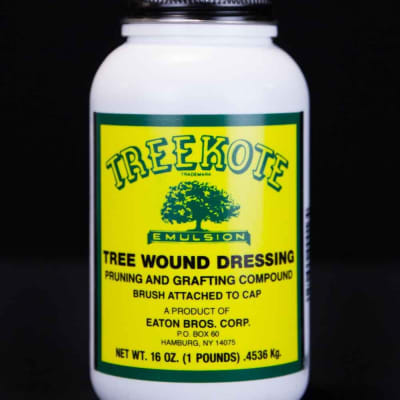
Water-soluble black asphalt emulsion for graft dressing. Dries quickly. Used extensively and successfully with any kind of grafting. Screw-on lid has an attached brush applicator.
Pimpinella anisum (130 days) Open pollinated. White umbel flowers in July have delicate ornamental value. Seed ripens in August and September—wait until the tips of the fruits turn grey, and collect seeds before they turn black.
Drape over trees or bushes to protect fruit or berries from birds. Strong and durable black polypropylene ⅝" mesh with UV inhibitors. Available in three sizes.
Use as temporary fencing to protect plantings and fruit crops from deer, birds and other pests. Strong and durable black polypropylene ⅝" mesh with UV inhibitors. Available in two sizes.
Scabiosa stellata (90 days) Open pollinated. Delicate periwinkle flowers pass by into ethereal bronze globes of transparent seedheads studded with black stars. These papery pods add texture and interest to dried and fresh arrangements.
Viburnum dentatum 8-15' x 4-10'. Vase-shaped native shrub traditionally used for making arrow shafts. Small blue-black fruits loved by birds. Adaptable. Forms colonies, makes a great hedge plant. Z2/3.
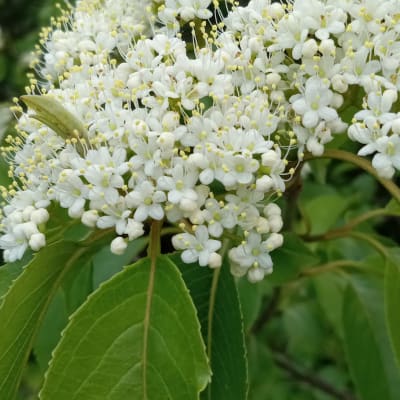
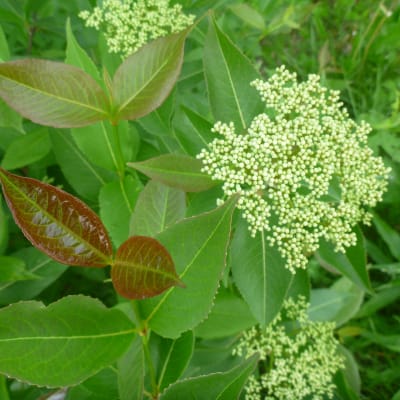
Viburnum cassinoides 5-6' × same. Dense suckering native shrub. White flowers from spring to early summer. Edible black fruit. Plant more than one for fruit. Z3.
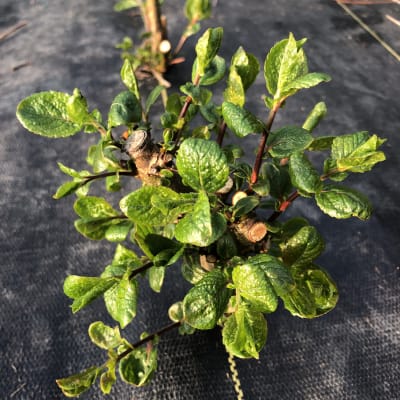
Salix myrsinifolia Dark red-brown skin. Dark red-brown stems are highly ornamental and add unusual contrast in the landscape, winter bouquets and baskets. Z4.
Malus spp.This is a twig for grafting. Winter, red-striped skin. Medium-large apple. Sweet, juicy, snappy fresh eating. Keeps up to seven months. Tends to bear annually. Scab-resistant. Z3.
Malus spp.This is a twig for grafting. Fall-winter, red-blushed yellow skin. Originated in Turkey. Unusual fruit shape. Sweet-tart with high flavor. A good tree for smaller spaces. Z4.
Malus spp. Fall-winter, dark maroon skin, yellow flesh. Medium-sized intensely flavored apple is fine, juicy and tender. Keeps till January. Blooms early-midseason. Z4.
Malus spp.This is a twig for grafting. Fall-winter, dark maroon skin, yellow flesh. Medium-sized intensely flavored apple is fine, juicy and tender. Keeps till January. Blooms early-midseason. Z4.
Malus spp. Late summer-fall, bluish red skin, yellowish flesh. Medium size, crisp white flesh. All-purpose. Keeps till late fall. Scab-immune. Annual bearer, begins at early age. Z4.
Malus spp.This is a twig for grafting. Late summer-fall, bluish red skin, yellowish flesh. Medium size, crisp white flesh. All-purpose. Keeps till late fall. Scab-immune. Annual bearer, begins at early age. Z4.
Malus spp.This is a twig for grafting. Fall, purplish red-blushed skin, white flesh. Medium-sized, very juicy aromatic white flesh. Crisp with rich sweet flavor. Excellent fresh eating. Vigorous tree. Z4.
Malus spp. Summer, dark red skin, white flesh. The standard Maine summer cooking apple, especially pies. Medium-sized dark red fruit. Juicy subacid white flesh tinged with red. Z3.
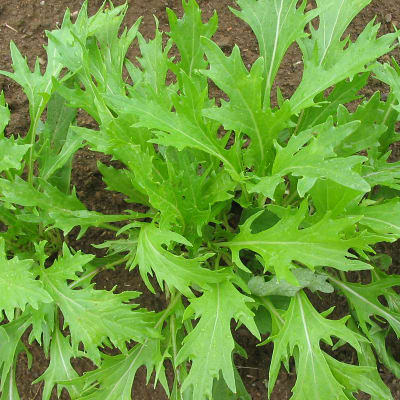
Brassica rapa (japonica group) (40 days) Open pollinated. Japanese heirloom. Deeply cut fringed leaves on slender white stalks. For microgreens, cut-and-come-again, succession plantings and baby leaf production.
Brassica juncea (40 days) Open pollinated. Bold purple-blushed delicately serrated mizuna-type leaves with sweet and spicy flavor. For spring and fall plantings. Bolts in heat.
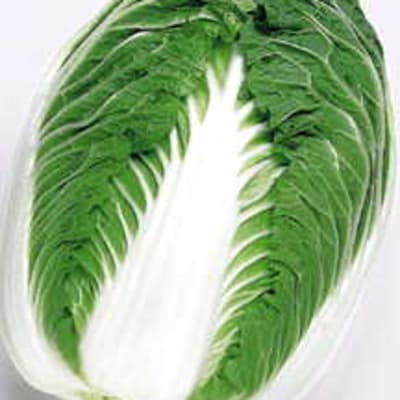
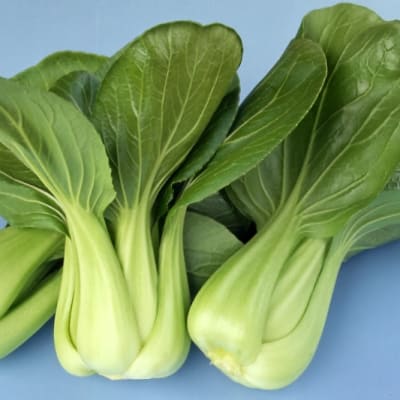
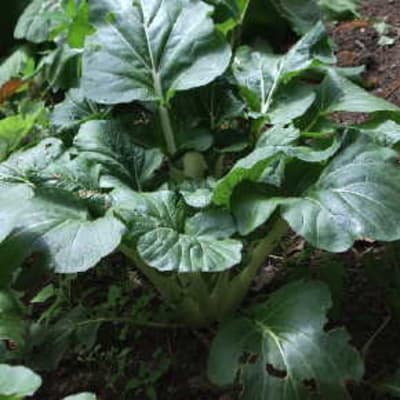
Brassica rapa (chinensis group) (50 days) F-1 hybrid. Uniform pac choi heads with dark green leaves and thick succulent basal stems. For summer and fall crops.