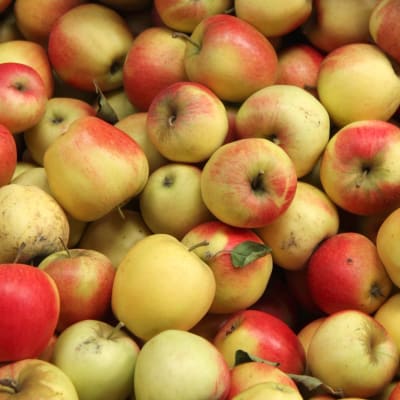
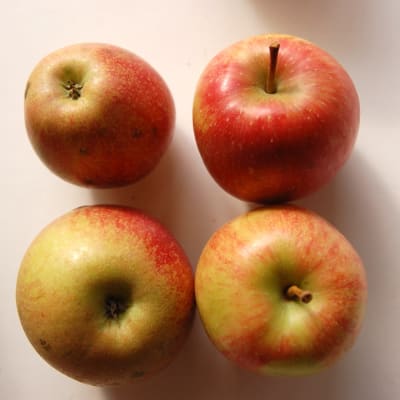
Malus spp. Fall. Modern apple bred for disease resistance, shelf life and flavor. Great fresh eating. Flesh stays white when sliced. Easy-to-grow annual producer. Z4.
read more
Malus spp. This is a twig for grafting. Fall. Modern apple bred for disease resistance, shelf life and flavor. Great fresh eating. Flesh stays white when sliced. Easy-to-grow annual producer. Z4.
read more
Malus spp. This is a twig for grafting. Late fall-winter. Relatively unknown dessert apple. Yellow fruit blushed with light scarlet red is crisp, firm, juicy and sweet. Decent keeper. Z4.
read more
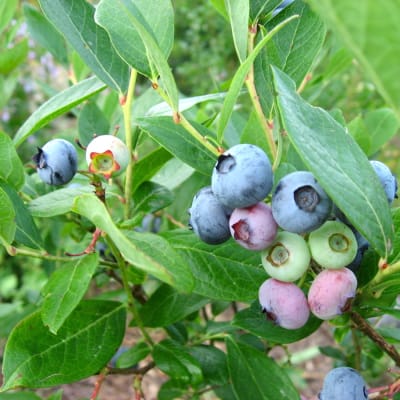
Vaccinium corymbosum Early. 4-6'. Medium-large light blue firm fruit with excellent sweet flavor. Flavor holds up better than other varieties in the freezer. Vigorous upright high-yielding bush. Z4.
read more
Solanum melongena (64 days in unheated tunnel, 72 days open field) F-1 hybrid. Slightly curved 8" extended-teardrop shape covered with purple and lavender streaks with emanations of ivory and light pink.
read more
Crambe maritima Open pollinated. Perennial hardy to Zone 5, native to seashores of British Isles. Blanch the tender shoots for spring and winter.
read more
Lactuca sativa (46 days) Open pollinated. Folded and blistered light green leaves wrap into a tight crisp whorled 4" head that easily makes a single-serving salad.
read more
Lactuca sativa (42 days) Open pollinated. Popular heirloom. Early looseleaf lettuce, 16" in diameter. Large crumpled juicy light-green leaves. Will not stand heat.
read more
Cucumis melo (80 days) F-1 hybrid. Green flesh. Round uniform 1.5-3 lb fruit with light but full net. Skin blushes yellow as fruit ripens. Harvest at full slip.
read more
Upper white layer reflects sunlight back on the plants, increasing photosynthesis. Black lower layer blocks light to suppress weeds. Keeps soil temperatures lower for cool-loving crops.
read more
Stevia rebaudiana (100-120 days) Open pollinated. Stevia is several hundred times sweeter than sugar, and is used fresh, dried, powdered or in a liquid as a sugar substitute.
read more
Made in the U.S. from cow manure and a bit of recycled newsprint, nourishes the plant as it decomposes. Roots can grow right through the walls of the pot. Six-packs of 3" squares, 3" tall.
read more
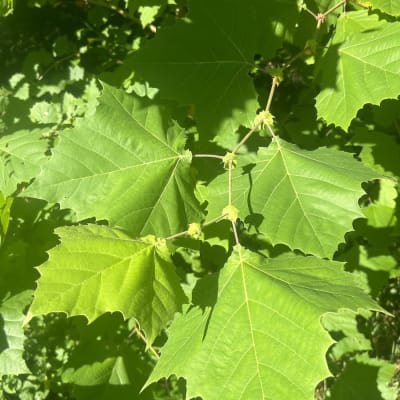
Platanus occidentalis 75-100' x same. Extraordinary native shade tree. Trunks and stems are strikingly mottled. Remarkable against the winter sky. Z4/5.
read more
Salix pendulina f. salamonii 50x50'. The classic weeping willow. Very large majestic graceful wide-spreading tree with golden drooping branches. Attracts loads of pollinators. Z3.
read more
Arnica chamissonis Open pollinated. 20" perennial yields well with multiple stalks with yellow flowers blooming for most of the early season.
read more
Filled with clear how-to and how-not-to instructions, along with useful illustrations and laugh-out-loud humor, Turnbull walks through the basics and delves into specifics for more than 150 plants.
read more
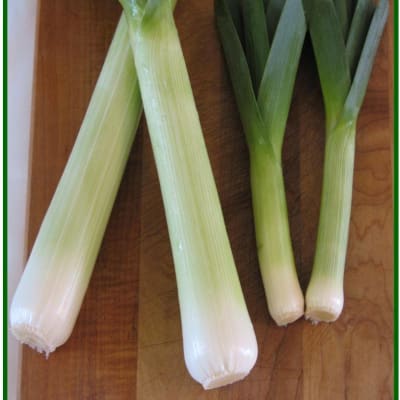
Allium ampeloprasum (porrum group) (75 days) Open pollinated. Dual-purpose "summer" leek. Direct seeded: 50 to 60 days for bunching. Or transplant for full-size August harvest.
read more
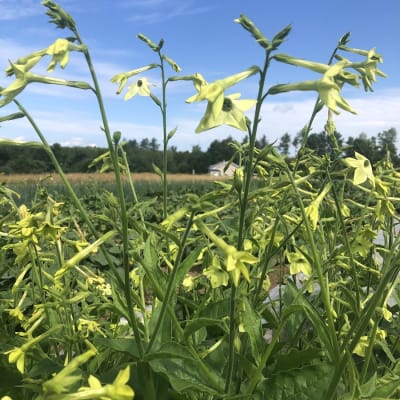
Nicotiana sylvestris Open pollinated. Clusters of drooping tubular white blossoms that perfume the garden day and night. Full powerful scent. 4–5' tall.
read more
Pycnanthemum incanum Open pollinated. A culinary herb, excellent cutflower and pollinator fave! “Mintier than mint” and less likely to spread.
read more
Pycnanthemum virginianum 24-36" tall. Makes a tasty minty tea traditionally used to settle indigestion. Spreads readily. Densely flowered, attractive to pollinators. Native. Z4.
read more
Antirrhinum majus (120 days) F-1 hybrid. Long stems and vibrant colors: pink, red, yellow, orange, white and orchid on 2-3' plants. Ideal for cutting. Lasts 5-8 days.
read more
Chelone glabra 2–4' tall. Native wildflower blooms late along with the asters. A final feast for the bumblebees. Prefers moist soil, dappled light. Z4.
read more
Acorus americanus 24-36" tall. Water-loving bog plant with broad sword-like foliage that smells sweetly of citrus and vanilla when crushed. Roots traditionally used as an aromatic bitter for digestive upsets. Z3.
read more
Diervilla lonicera 2-4' x 2-5'. Clusters of yellow tubular flowers attract pollinators. Lustrous green leaves emerge with a hint of bronze. Good for erosion control. Z3.
read more
Malus spp. Winter. Uniquely dark fruit with well-balanced flavor. Excellent pies and cider. Maine heirloom. Best eating late Dec. to March. Great keeper. Z4.
read more
Malus spp. Winter. Famous heirloom apple. Very large, juicy, tender. Makes a great single-variety pie! All-purpose. Good keeper. Scab-resistant. Z4.
read more